Abandoned Newborns in Caracas Highlight a Growing Crisis Facing Mothers and Families in Venezuela
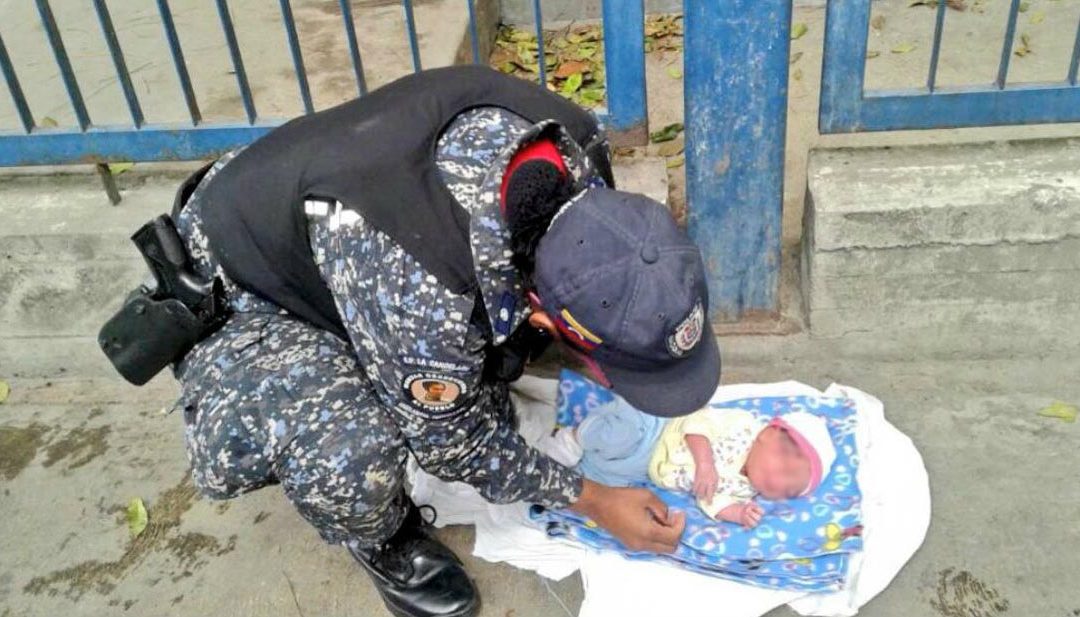
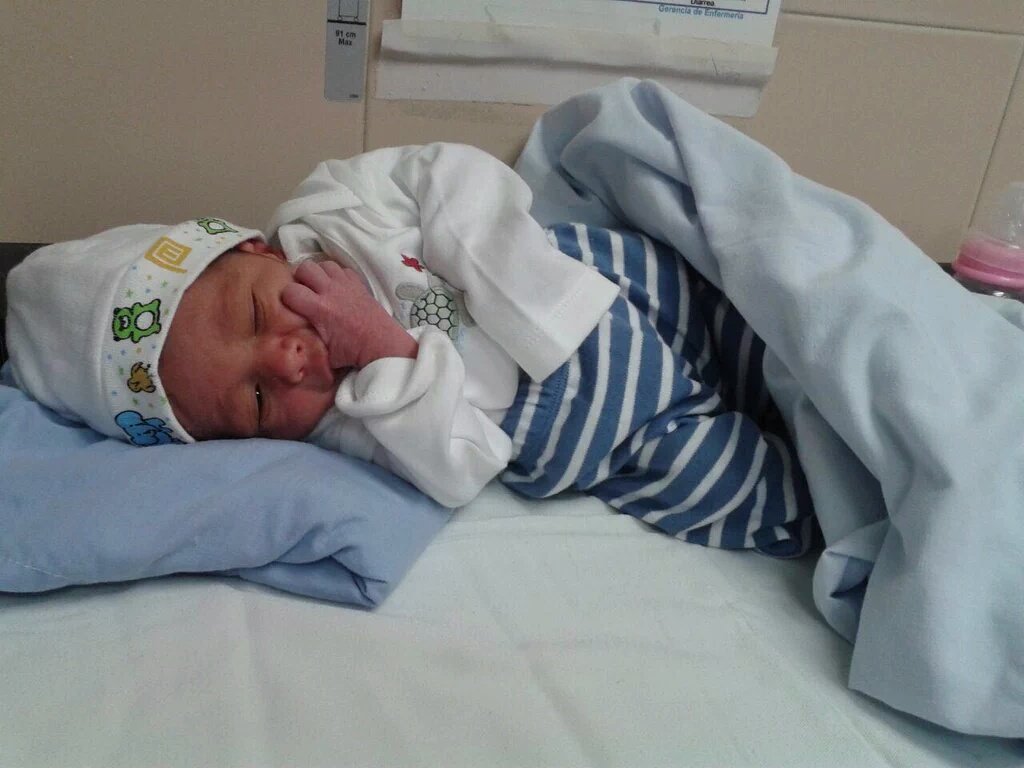
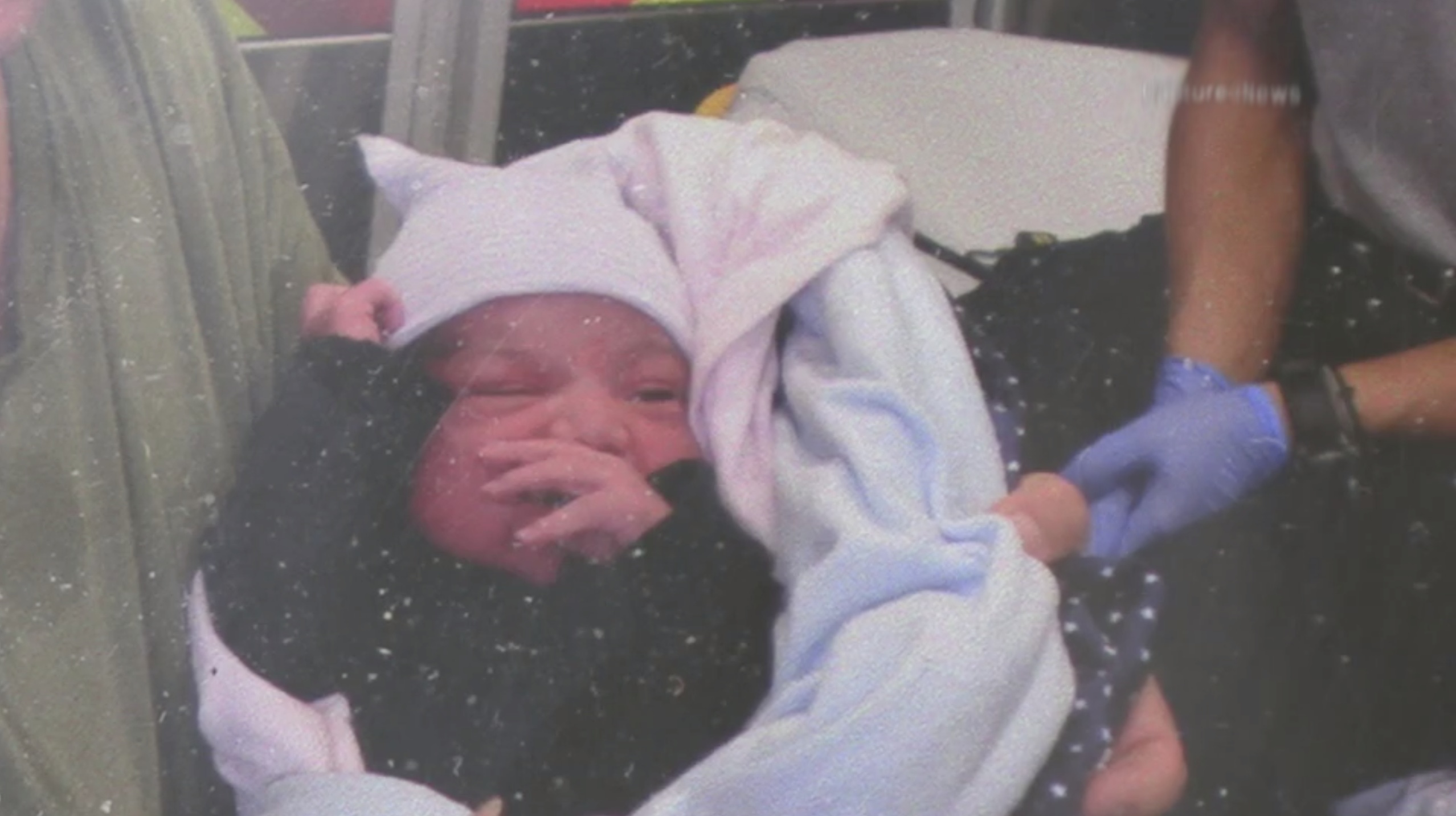
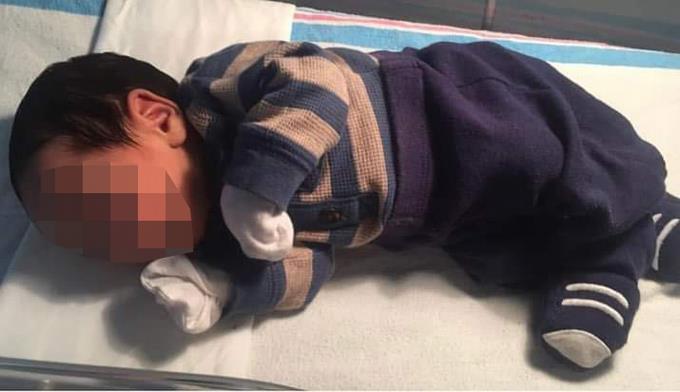
Two newborns were left behind in several areas of Caracas, a few days apart. Another baby was found unresponsive in a garbage dump in La Guaira. The situation reflects the depth of the social and economic difficulties that Venezuela is experiencing, but it is also a sign that the State is struggling to provide assistance to a group of the population that needs help, both in the prevention of unintended pregnancies and in the care of the mother and newborn child.
This is the opinion of Fernando Pereira, founder of the Community Learning Center, when analyzing the cases. The educator goes further, affirming that the babies of the last week became widely known because they were left in places in the metropolitan area of Caracas and in municipalities that, in one way or another, have more visibility in the media.
“The unfortunate thing is that we at Cecodap know that this is an issue that occurs with some frequency in other parts of the country. There are no figures; there is an information blackout with cases like these and, in general, with issues that affect children and their mothers.” He assures that the numbers they handle at the center are from two years ago.
Two years ago, 130,000 teenage mothers were registered. According to Pereira, it is very possible that these children left behind are the result of unintended pregnancies or women with other risk factors, or those who already have several children and face extreme difficulty in providing for them. Pereira believes this situation stems from the current economic crisis: “It is a phenomenon that can be clearly explained because families are currently unable to adequately care for their children.”
However, it is a vicious circle with a common denominator: the limited capacity of the State and the lack of a coordinated institutional response to address this problem from the beginning, such as adequate sex education or timely prenatal care. “At Cecodap, we have tried to draw attention so that mothers who are in this painful situation of leaving their children behind are not criminalized. They are labeled heartless, without feelings, worse than animals. That is very easy if you do not know the stories, the cases, the personal struggles. Rather, it is the absence of adequate public policies and specific programs to support them that is really needed, and that is what we must insist on.”
The specialist emphasizes that figures for maternal and infant health outcomes are not publicly known. Venezuela already registered very high numbers in these indicators in 2015, and it is likely that they have continued to rise until today.
“Coincidentally, on the same day one of the babies appeared, April 1, it marked 19 years since the enactment of the Organic Law for the Protection of Children and Adolescents. We see that much of what was established by the law is not being implemented. What was built from 2000 until now has deteriorated, and there is no institution currently able to provide proper assistance to children.”
Ideally, the babies found would be taken in by institutions as established by law. These cases require specialized personnel to assess their family environment and determine whether close relatives can care for them. If not, there should be identified alternative homes that can provide temporary shelter. “But all of this requires organization, trained personnel, and functioning institutions. This cannot be improvised; it is very delicate. Unfortunately, that institutional network is currently absent,” says Pereira.