Indian Boy Born With Parasitic Twin Undergoes Life-Changing Surgery
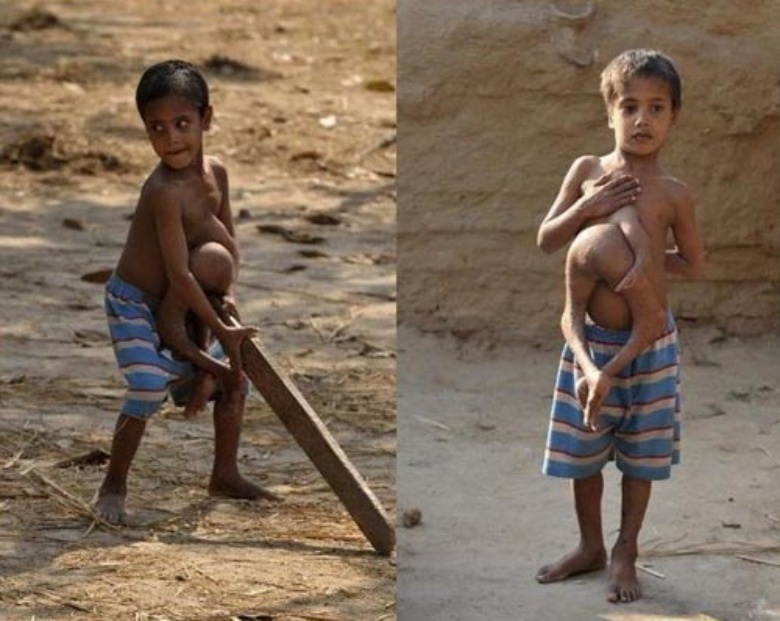
Bihar, India — Deepak Paswan, a young boy from northern India, was born with a rare medical condition that would draw national attention and deeply divide public opinion. Born in 2010 in Bihar, Deepak had a parasitic twin attached to his abdomen, resulting in him having four arms and four legs, but only one head.
From the moment of his birth, Deepak’s condition sparked widespread fascination. In the rural communities surrounding his home, many locals viewed him not as a medical anomaly, but as something sacred. Because of his multiple limbs, some Hindu devotees believed Deepak was a divine sign and compared him to Vishnu, a major deity often depicted with many arms. Over time, crowds began visiting the family’s home to see the boy, offer prayers, and seek blessings.
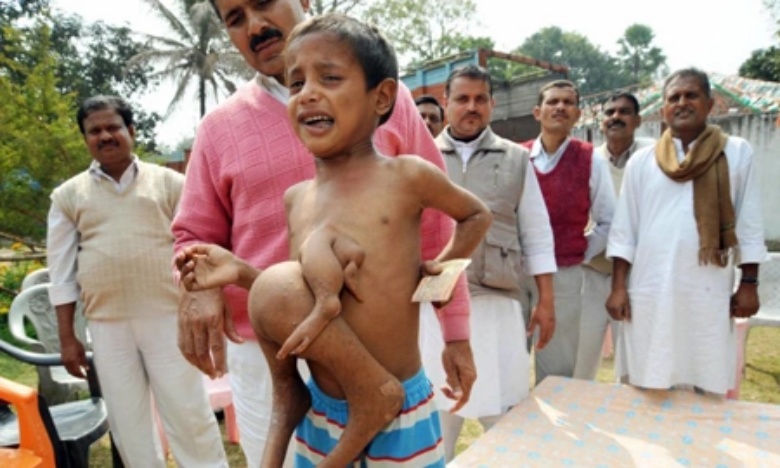
While these beliefs brought attention, they also placed an enormous emotional burden on Deepak’s family.
“We are simple people,” Deepak’s father said in an interview at the time. “We respect everyone’s faith, but we never wanted our son to be treated like an object of worship. He is just a child.”
His mother echoed the same feeling, explaining that the constant visits made daily life difficult. “People came every day. Some prayed, some touched him, some stared for hours. But no one asked how he felt or what his future would be.”
Medically, Deepak’s condition was identified as a parasitic twin — a rare occurrence in which one twin stops developing early in pregnancy but remains partially attached to the surviving child. In Deepak’s case, the twin’s limbs had grown outward from his abdomen and were nearly fully formed, though they could not function independently.
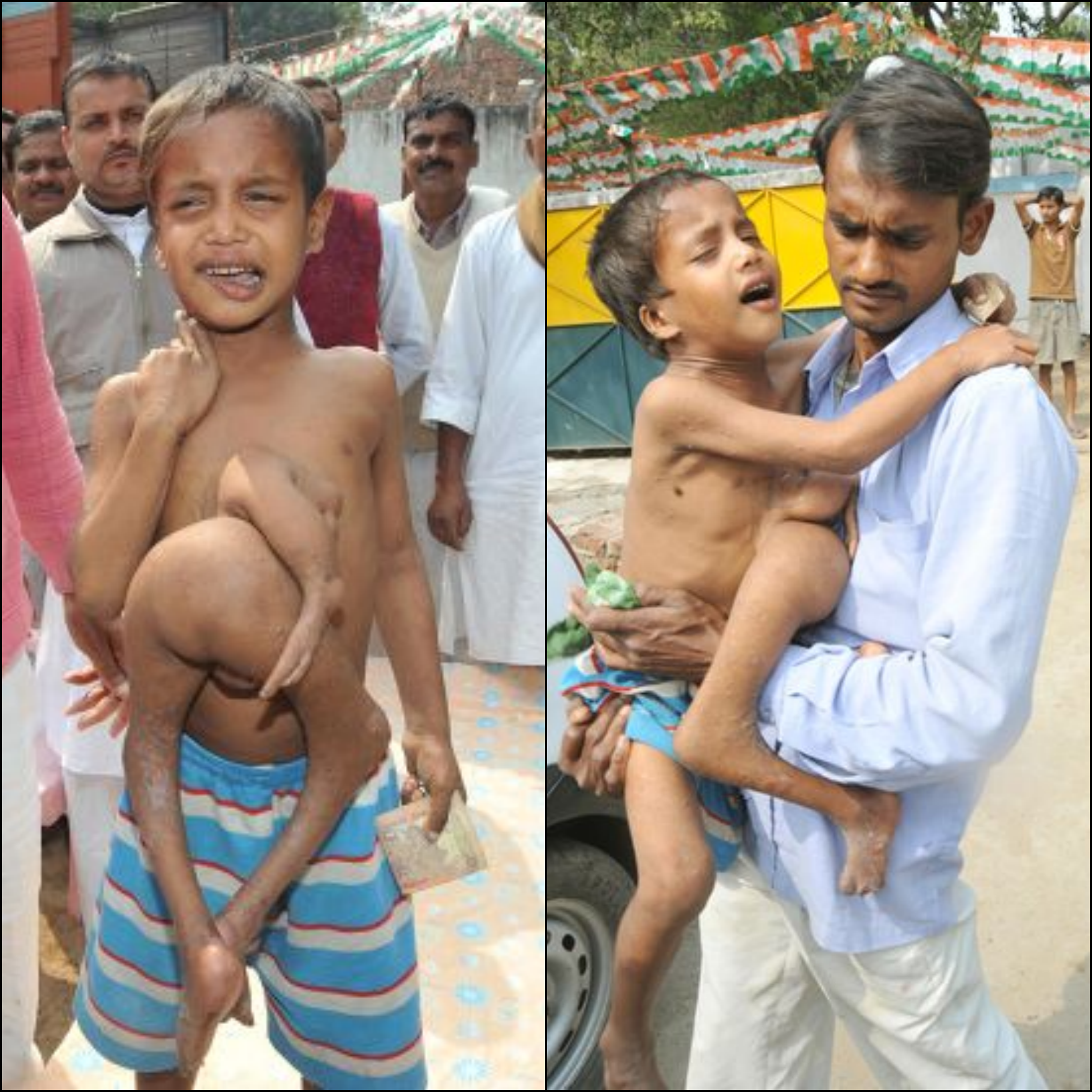
As Deepak grew older, his parents became increasingly concerned about his physical comfort, mobility, and emotional well-being. They wanted him to attend school, play freely with other children, and live without constant attention.
In March, when Deepak was seven years old, the family made a public appeal for medical assistance.
“My son deserves a normal life,” his father said at the time. “We don’t want fame. We want treatment.”
The cost of such a complex procedure was estimated at nearly £50,000 — a sum far beyond what the family could ever afford. Hope came when a hospital in Bangalore, southern India, stepped forward and agreed to perform the surgery free of charge.
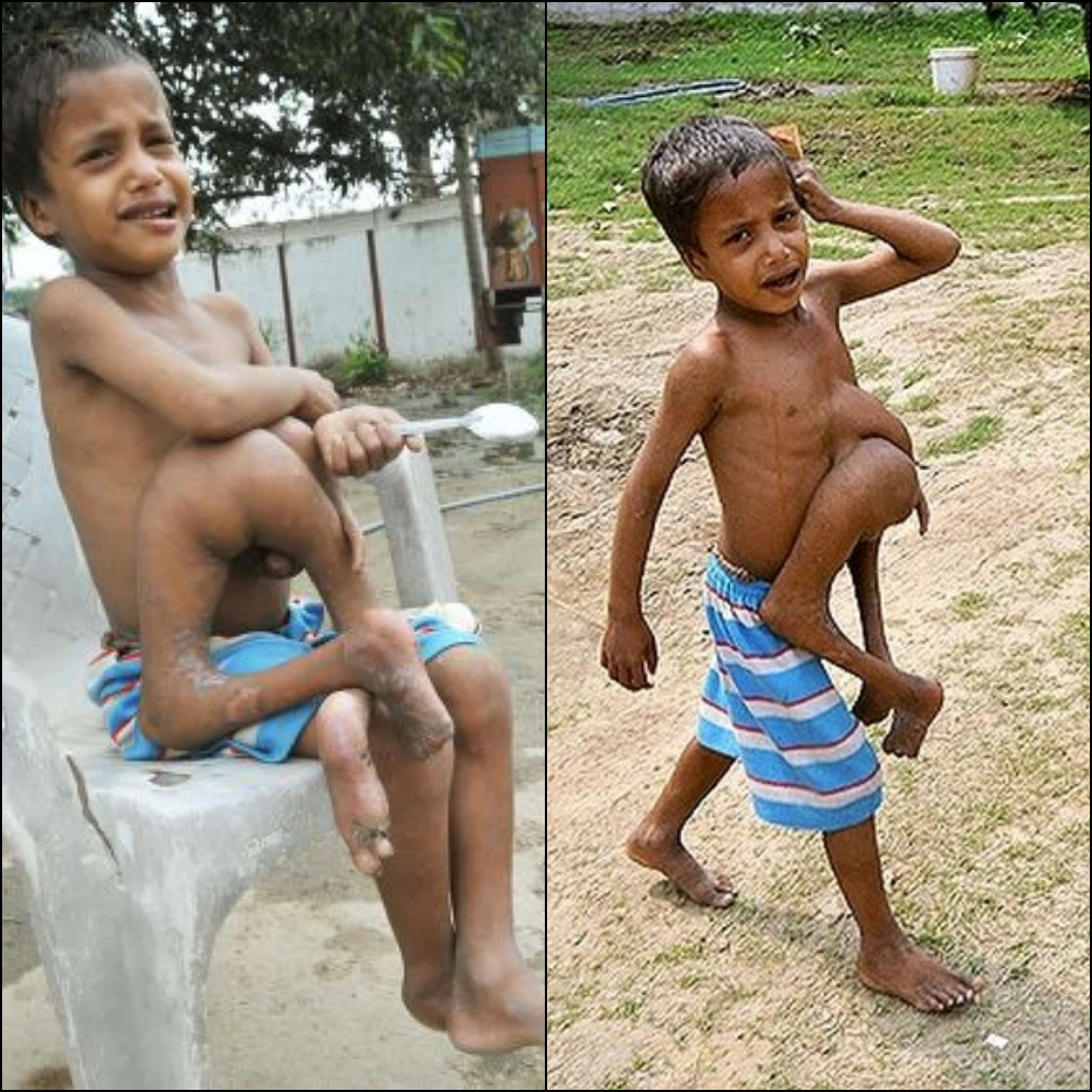
Doctors carefully evaluated Deepak’s condition and confirmed that the extra limbs could be safely removed without damaging his vital organs. The surgery, which lasted approximately four hours, was described by the medical team as highly complex but successful.
After the operation, Deepak’s parents expressed overwhelming relief.
“When we saw him after the surgery, we cried,” his mother said. “For the first time, we could imagine his future clearly.”
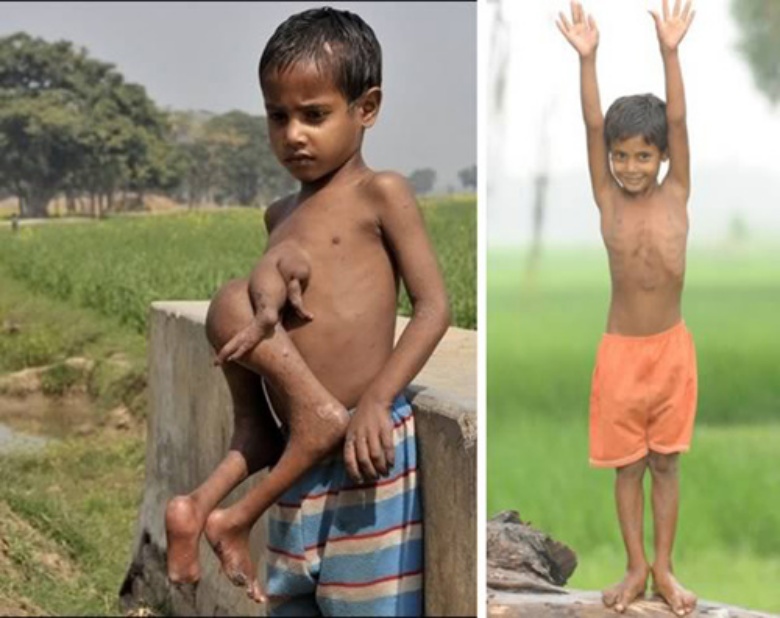
Doctors stated that Deepak was expected to recover well and would now be able to move more freely and participate in everyday activities like other children his age.
Medical experts also emphasized that cases like Deepak’s highlight the need for greater awareness and access to specialized care, especially in rural areas where rare conditions are often misunderstood or surrounded by superstition.