While the City Sleeps a Street Vendor Walks On Fighting Every Day for His Two Year Old Daughter
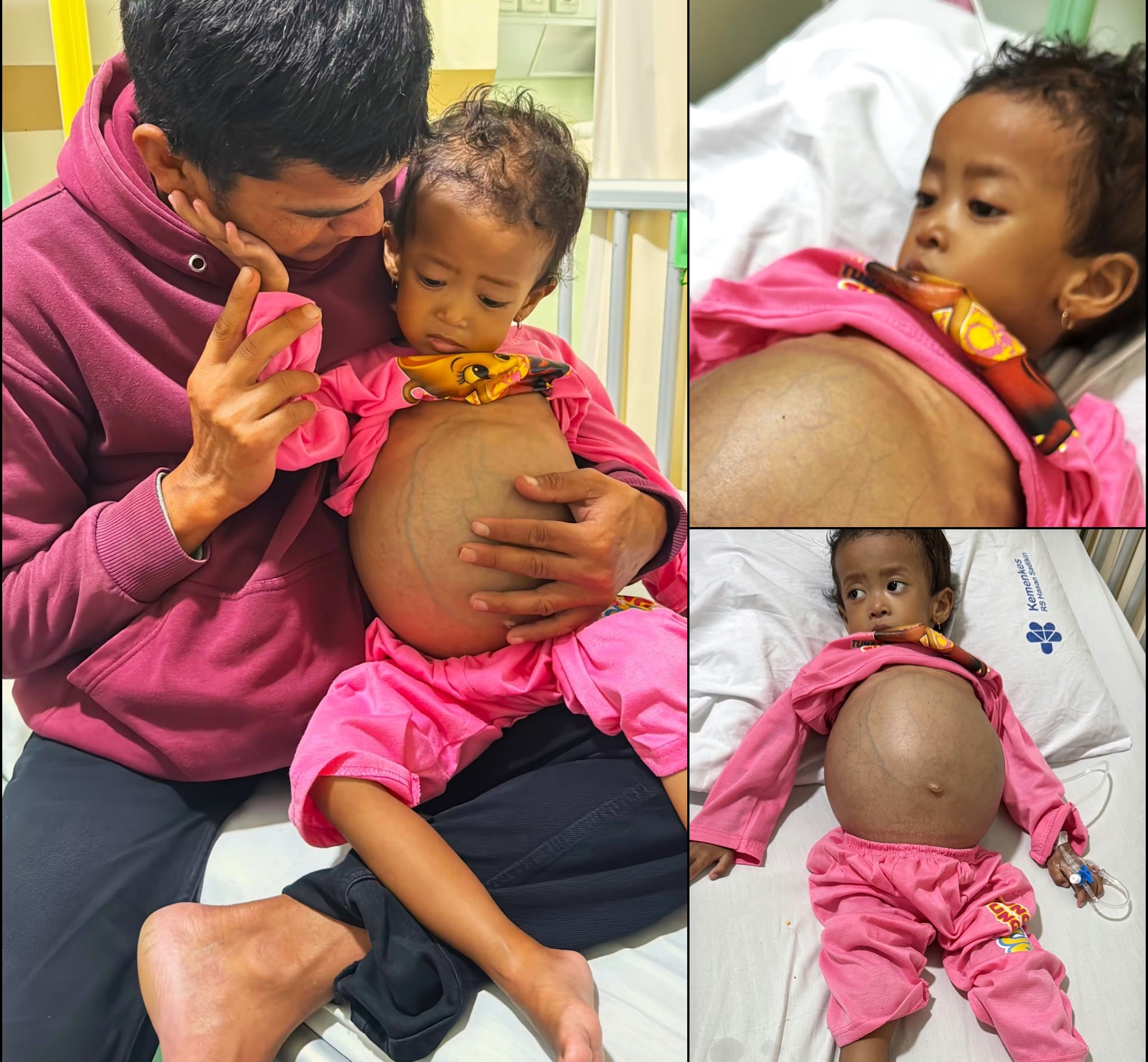
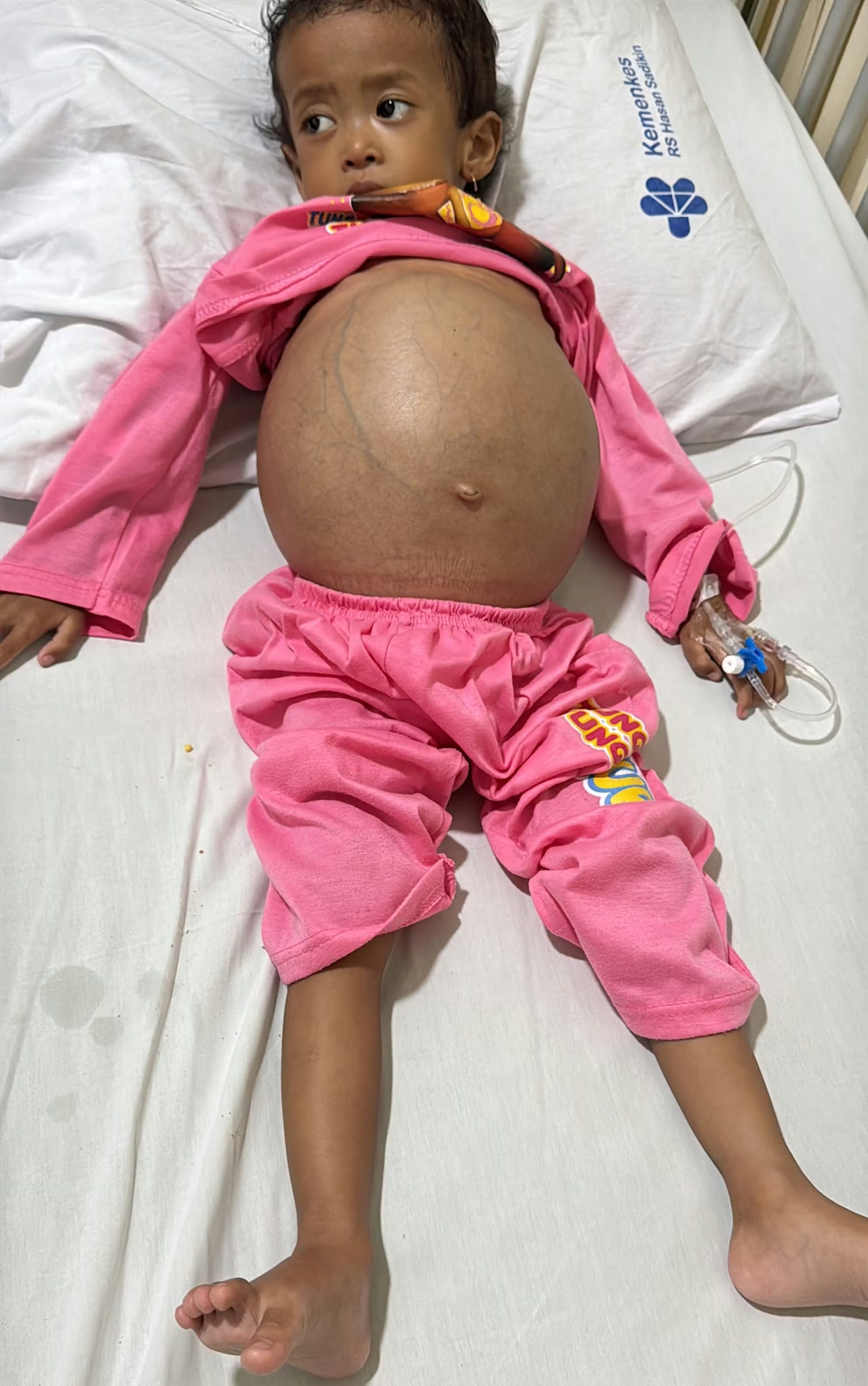
Dik Nesa is only two years old, yet her daily life is already marked by pain and limitation far beyond her age.
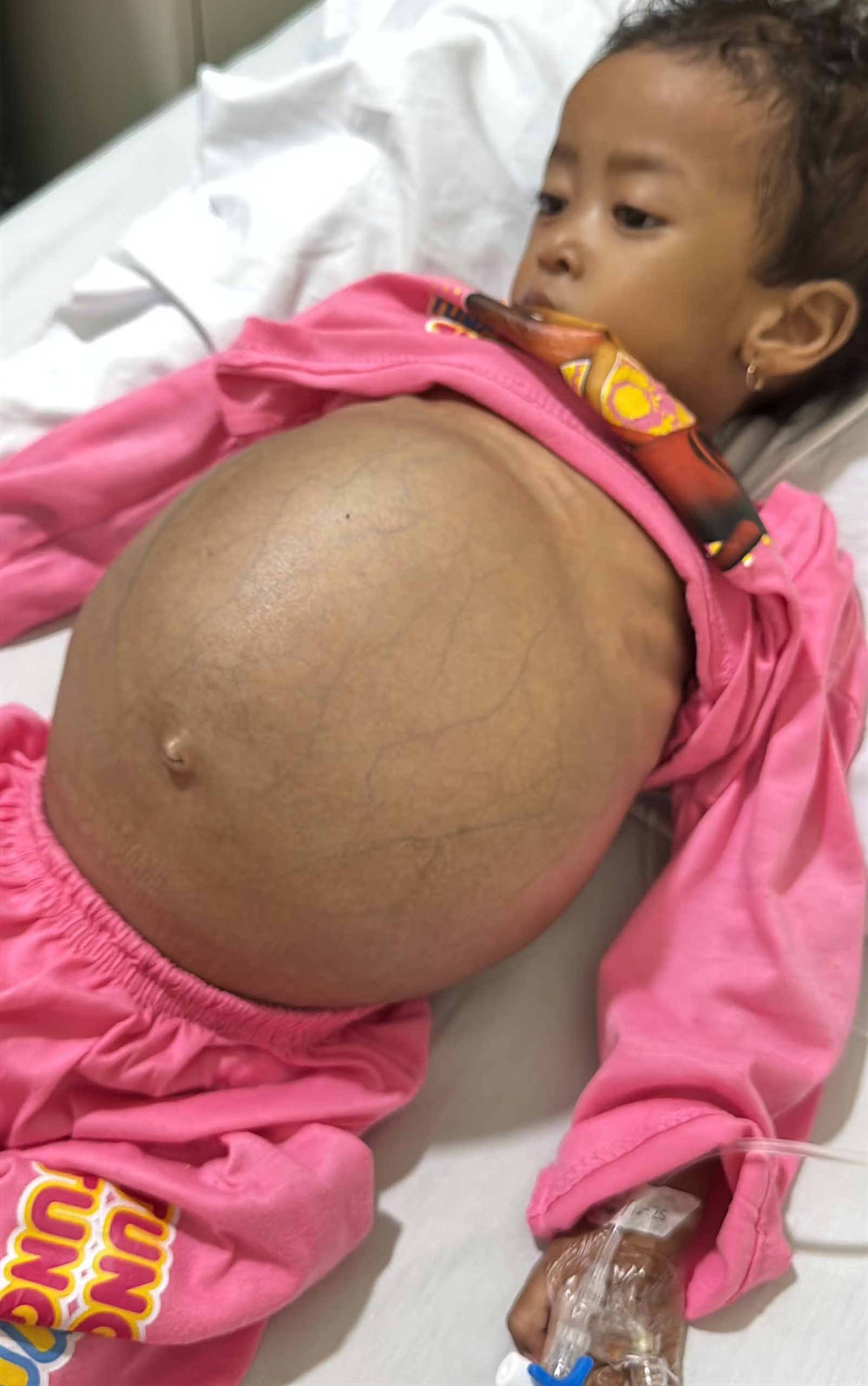
Over time, her stomach has continued to enlarge and harden, gradually restricting her ability to move. Simple actions such as sitting or standing have become difficult, and playing—something that should come naturally to a child her age—is no longer possible.
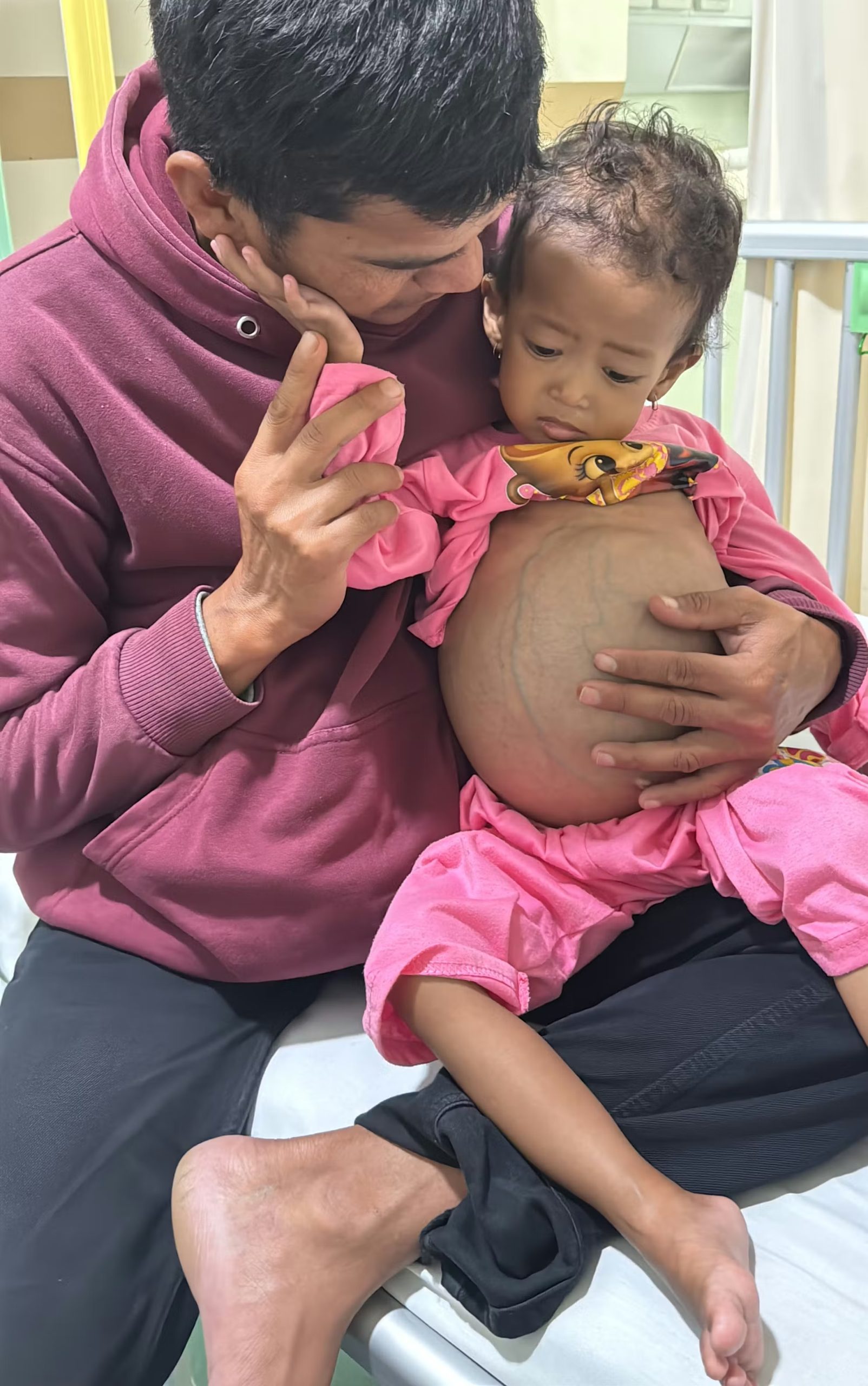
Whenever Nesa tries to move, she cries loudly, her small body trembling from discomfort. The crying continues both day and night, rarely stopping. Her father can only hold her tightly, hoping the warmth of his arms will bring her some relief.
Her father, Mr. Ade Yono, earns a living as a mobile cilok vendor. Every morning, he pushes his cart through the streets under the scorching sun or pouring rain, relying entirely on passersby to make a purchase. However, his income is uncertain and often insufficient.
On some days, he earns only around IDR 20,000 to IDR 30,000. On other days, there are no sales at all.
With such limited earnings, the family struggles to meet even their most basic needs. Food shortages are common, and the growing needs of Nesa have become increasingly difficult to manage as her condition worsens.
“Sometimes we are confused,” Mr. Ade said quietly. “What should we eat? What should we buy?”
His words reflect more than financial hardship. They reveal the emotional weight of a parent forced to choose between daily survival and the needs of a suffering child. The hesitation in his voice speaks to the constant uncertainty his family lives with—never knowing if tomorrow will bring enough income for food, let alone help for Nesa.
As her condition progresses, Nesa can no longer play or move freely. She often lies down, wriggling slowly as she tries to endure the discomfort in her stomach. At night, her cries echo through the house, leaving the family exhausted and helpless.
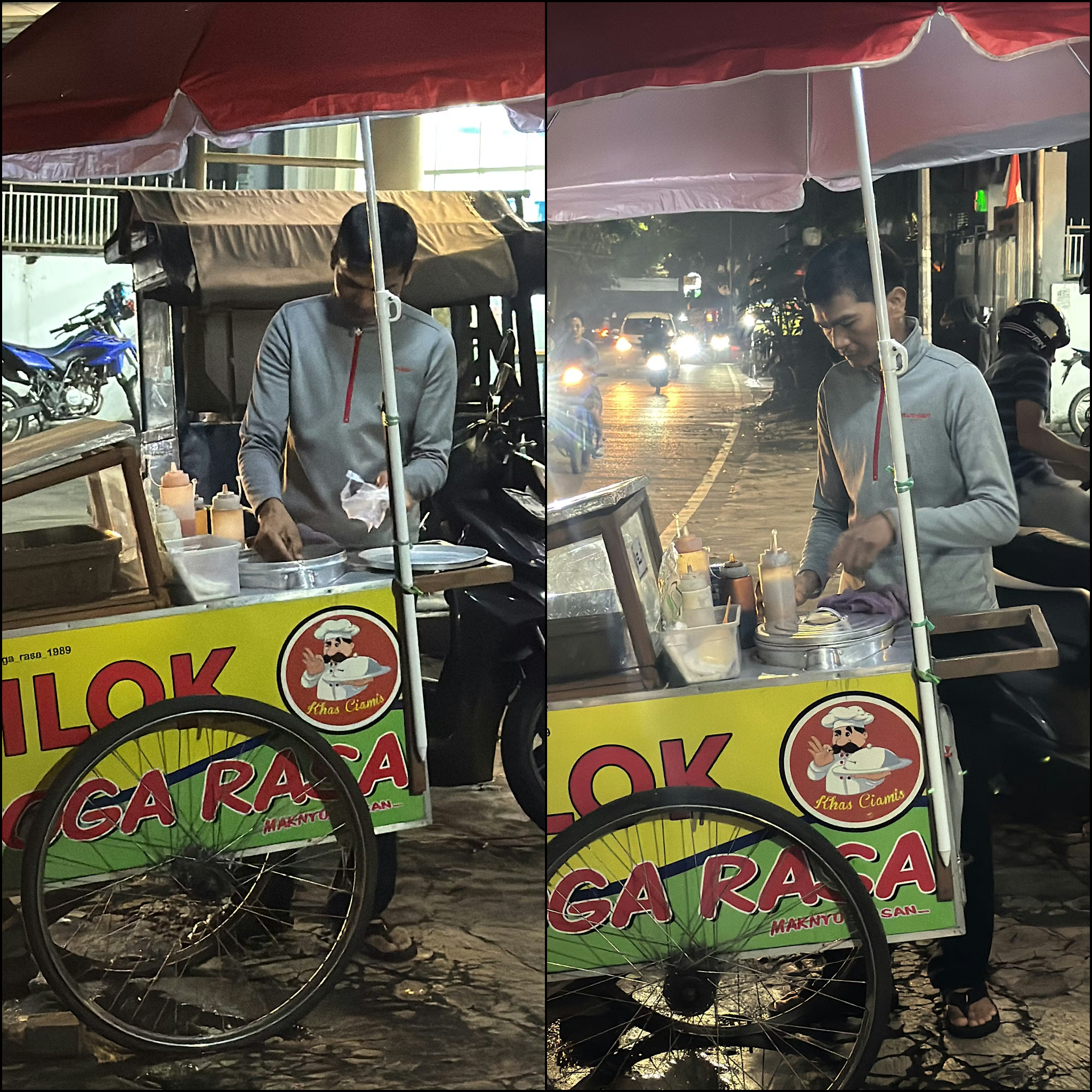
Mr. Ade and his wife spend long nights gently stroking their daughter’s stomach, holding back tears, and hoping for improvement. But with their extremely limited financial resources, options are scarce.
The family’s situation highlights a broader issue faced by many low-income households: when illness strikes, especially involving young children, poverty can quickly turn a health concern into a life-altering crisis. Without stable income or access to proper care, families like Nesa’s are left with little more than hope and endurance.
For now, Nesa’s days pass quietly at home, cradled in her parents’ arms, as they continue to search for a way forward—one small step at a time.