When a Routine Ultrasound Changed Everything One Family’s Journey Toward Hope Strength and a Bright Future for Their Son
When Paris learned she was pregnant, she imagined a smooth pregnancy and a healthy baby at the end of it. Like many expectant parents, she never anticipated that a routine ultrasound would change everything.
“At first, it was overwhelming,” Paris recalled. “It took me a long time to come to terms with his diagnosis. But looking back now, I realize how blessed we are to be his parents.”
Paris and her husband, Tyler, discovered they were expecting their second child on June 19, 2019. Because their first son had been born prematurely, Paris underwent frequent ultrasounds early in her pregnancy. At 19 weeks, doctors noticed signs of a bilateral cleft lip and palate — a condition in which the lip and roof of the mouth do not fully form during early development.
In the United States, thousands of babies are born each year with cleft lip and/or cleft palate. While the condition can affect feeding, hearing, and speech if left untreated, modern pediatric care offers effective surgical and therapeutic options that allow children to grow and thrive.
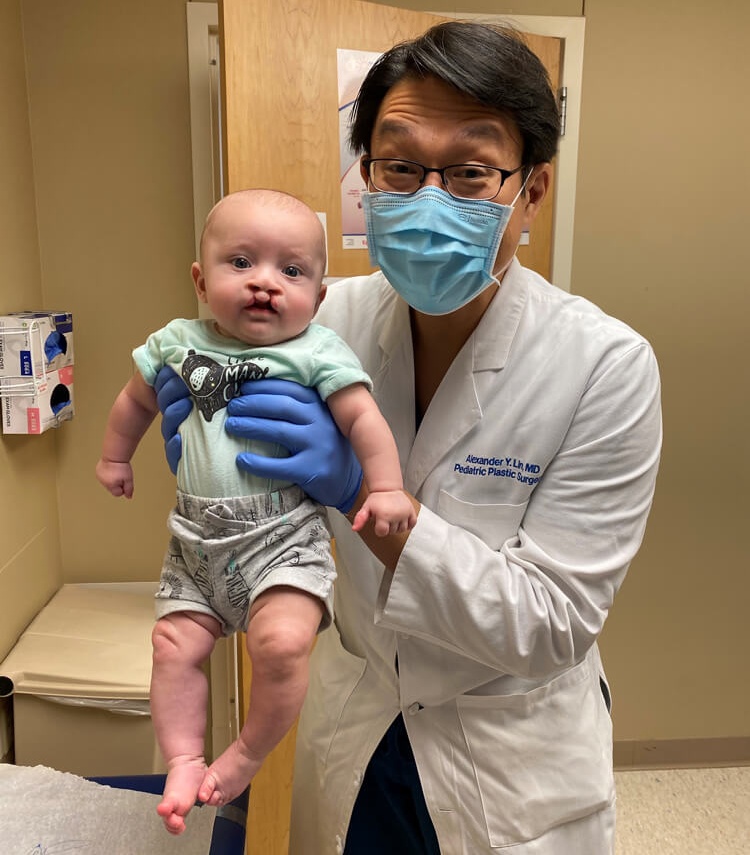
Following the initial findings, the couple, who live in Benton, Missouri, were referred to specialists in St. Louis for further evaluation. There, the diagnosis was confirmed, along with a suspected heart condition. Additional testing later ruled out any heart-related concerns, allowing the family to focus fully on preparing for their son’s cleft-related care. During this time, they also learned they were expecting a baby boy.
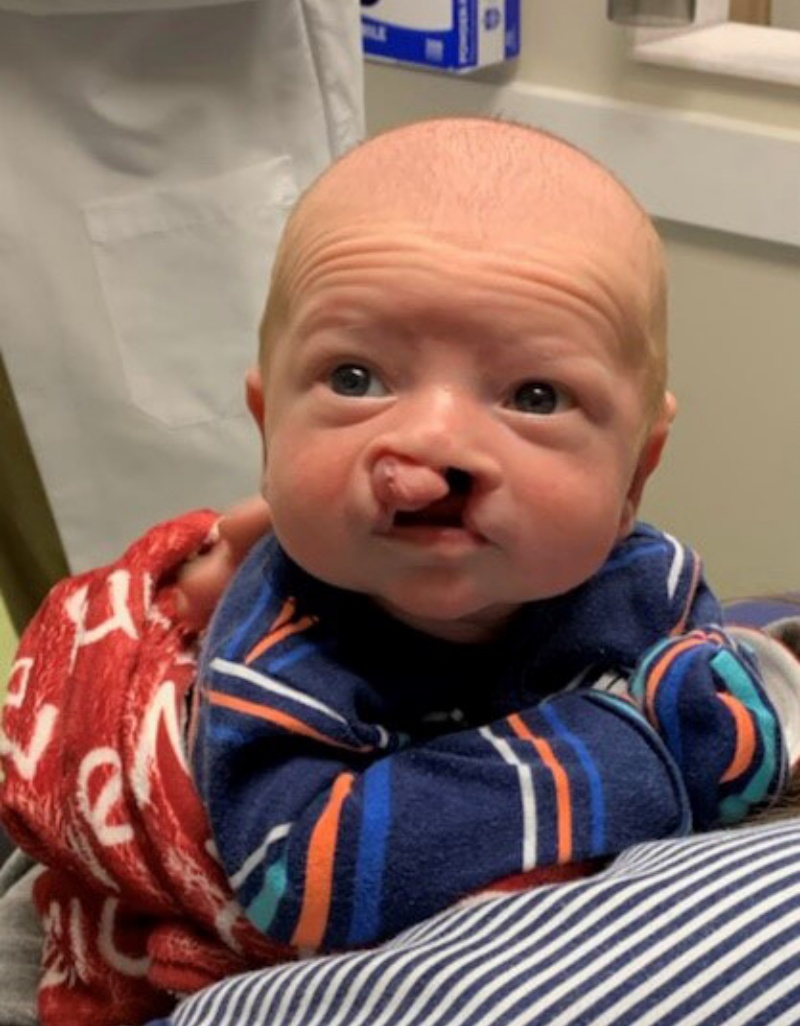
Paris later reflected that receiving clear information and a structured plan made a significant emotional difference. “What helped us most was not being overwhelmed all at once,” she said. “We were given information step by step, and that made it possible to process everything.”
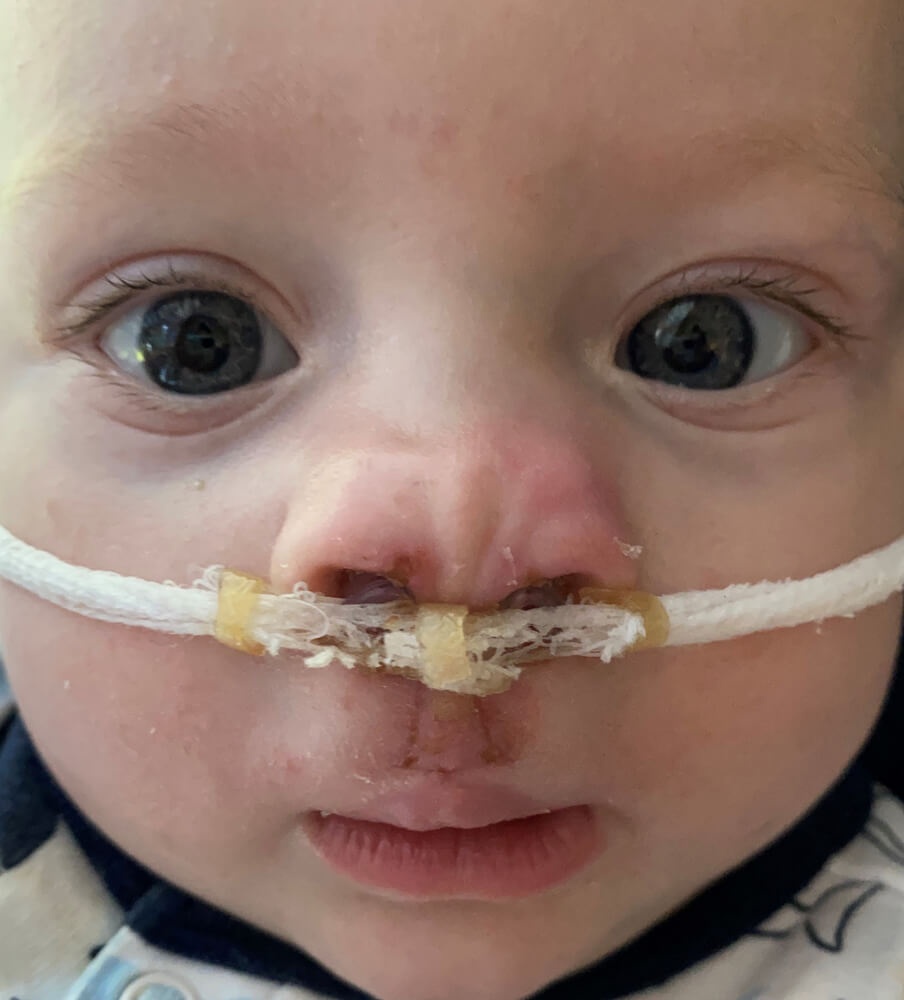
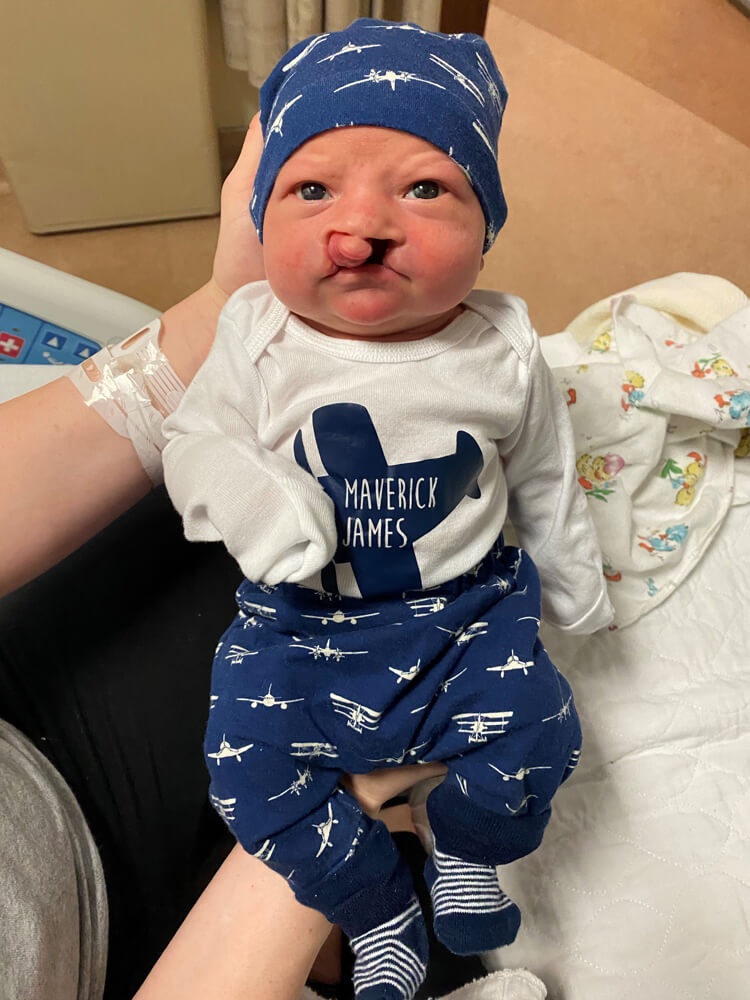
Maverick was born at full term on February 3, 2020. His delivery was smooth, and he required no specialized care at birth. Within days, he was introduced to a multidisciplinary cleft team that included surgeons, nurses, dentists, and speech specialists — a coordinated approach considered essential in long-term cleft care.
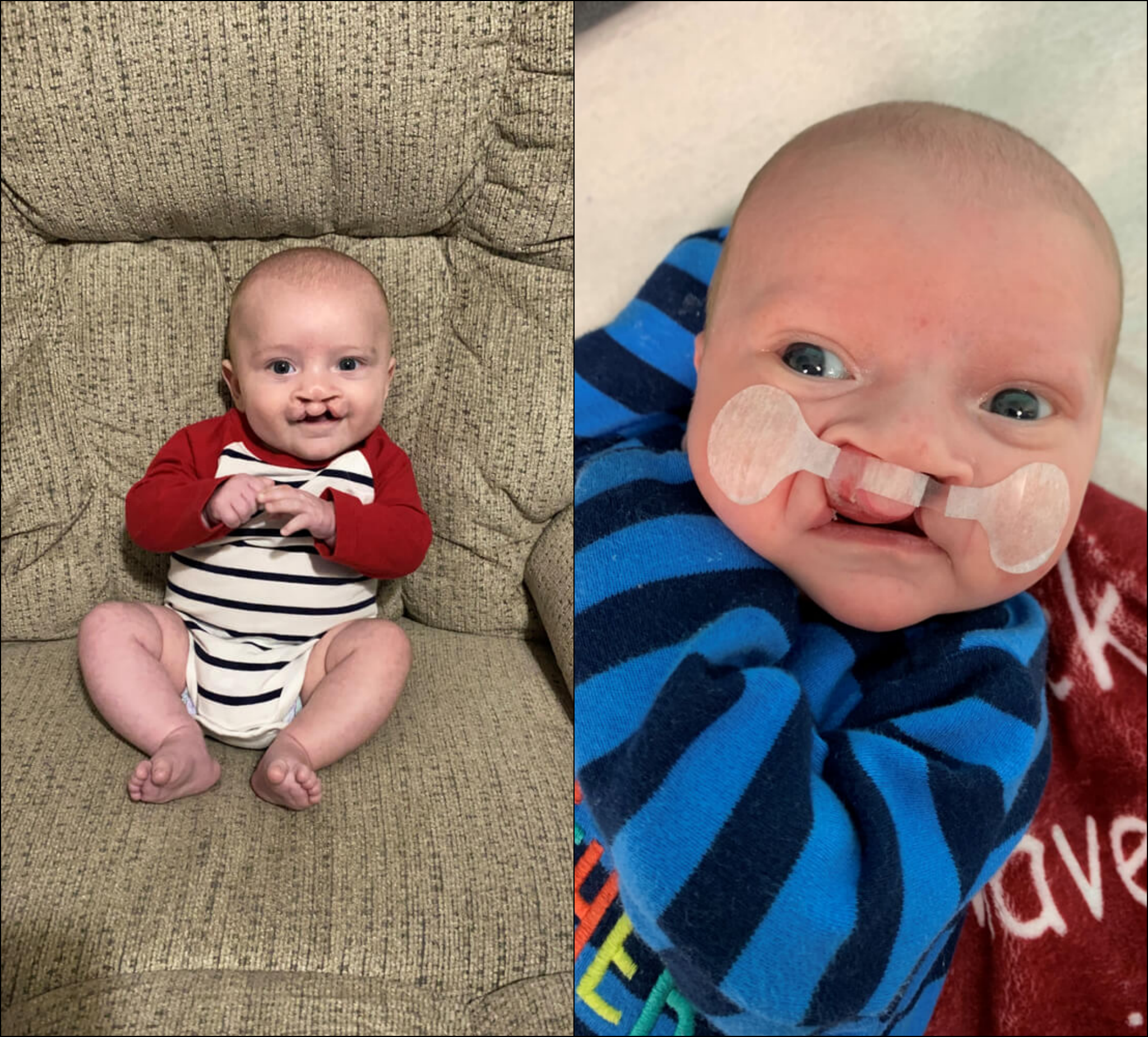
Over the next year, Maverick underwent a carefully planned series of procedures designed to improve both function and appearance. His treatment included early interventions to gently reposition facial structures before surgery, followed by staged surgical repairs of his lip and palate. Despite the added challenges brought on by the COVID-19 pandemic, his care team coordinated visits and procedures to minimize stress for the family.
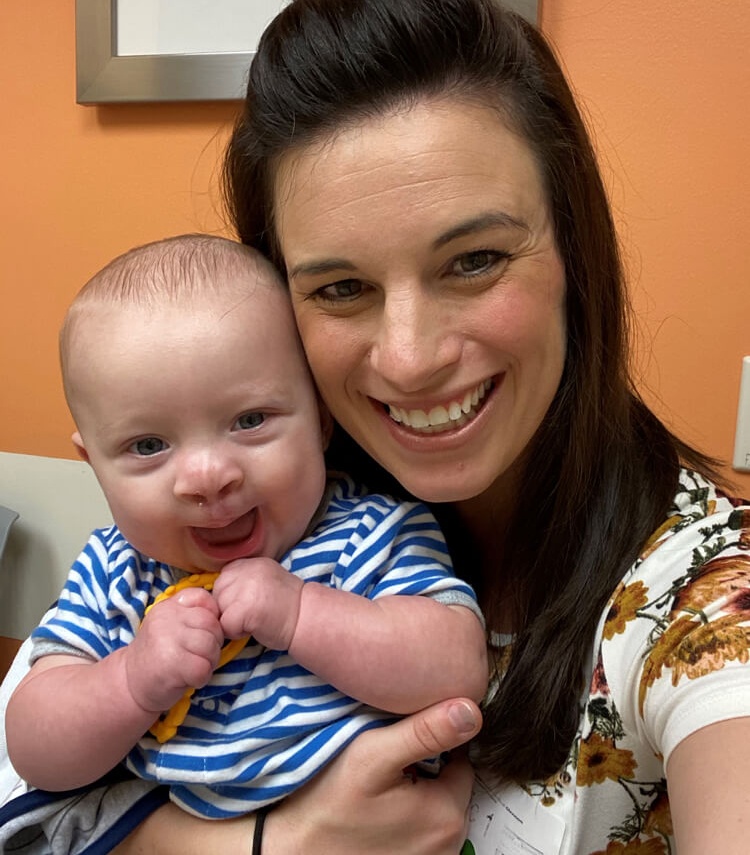
Tyler described the experience as a true partnership. “We were never told what to do without being given options,” he said. “We felt respected as parents and supported every step of the way.”
Paris emphasized that consistent communication played a major role in helping her manage fear and uncertainty. “When you’re facing something like this, reassurance matters,” she explained. “Knowing someone was there to answer questions made all the difference.”
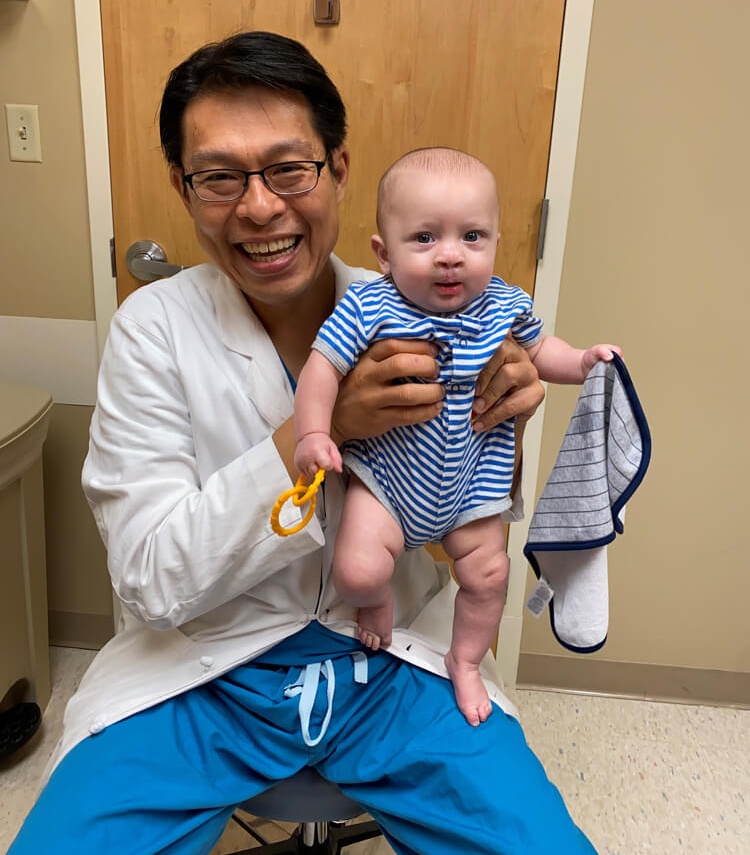
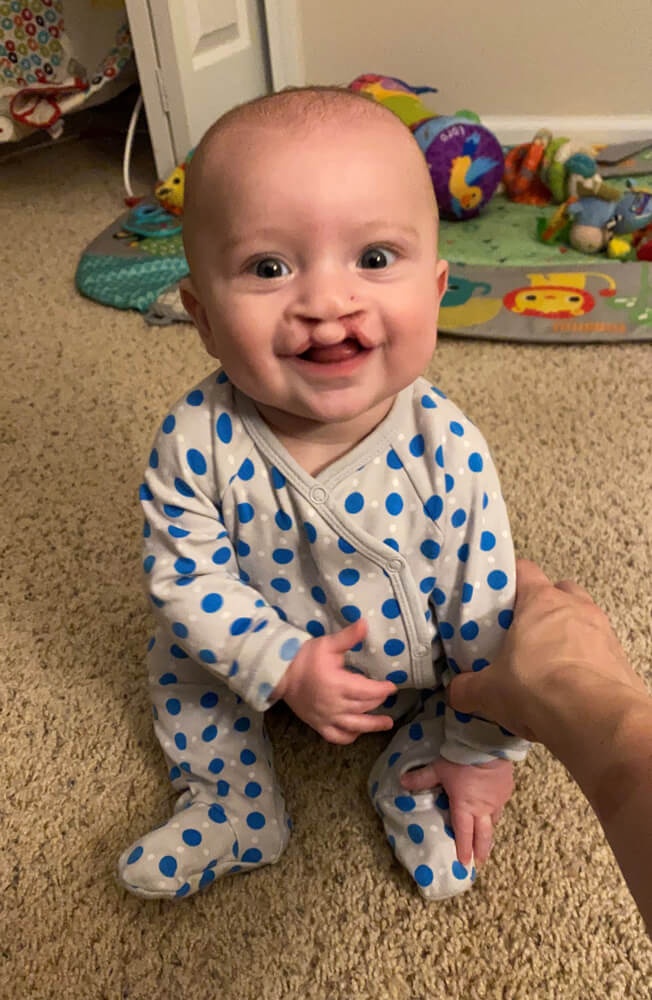
By early 2021, Maverick had completed his major reconstructive procedures and was healing well. Today, he continues to attend routine follow-ups and is expected to lead a full, active life. Any future procedures would focus mainly on refinement rather than medical necessity.
Looking back, Paris says the journey reshaped how she defines strength and gratitude. “What once felt like obstacles became milestones,” she said. “We hope that by sharing Maverick’s story, other families facing similar diagnoses will feel less alone and more hopeful.”
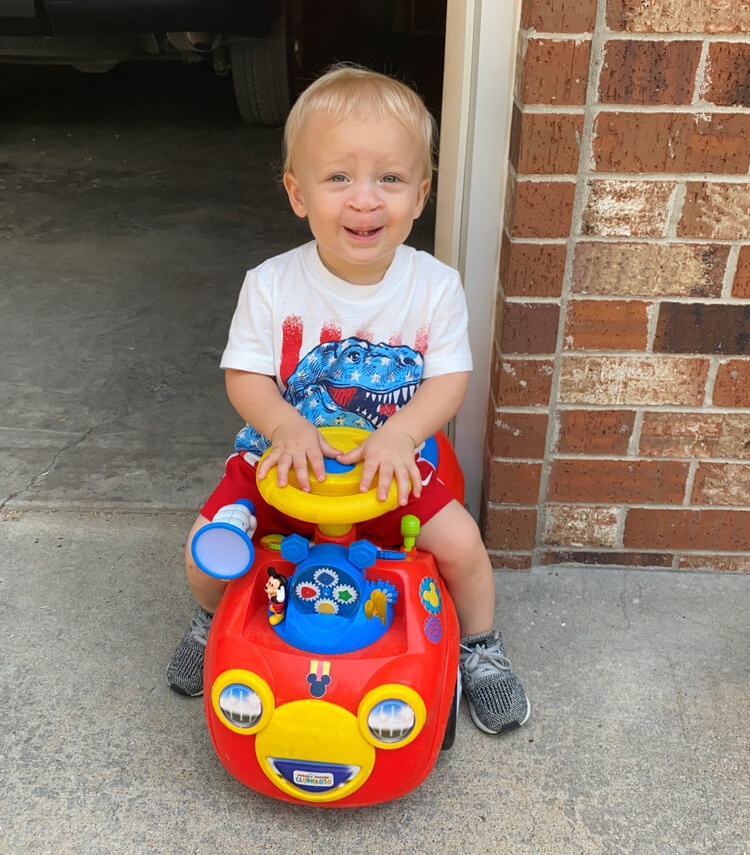
Medical experts note that early diagnosis, specialized care, and family-centered support are key factors in positive outcomes for children born with cleft conditions. Maverick’s story highlights not only medical progress, but also the resilience of families navigating unexpected paths — and finding confidence, clarity, and hope along the way.