Single Mother Fights Against the Odds to Save Her Little Boy and Bring Back His Bright Tomorrow
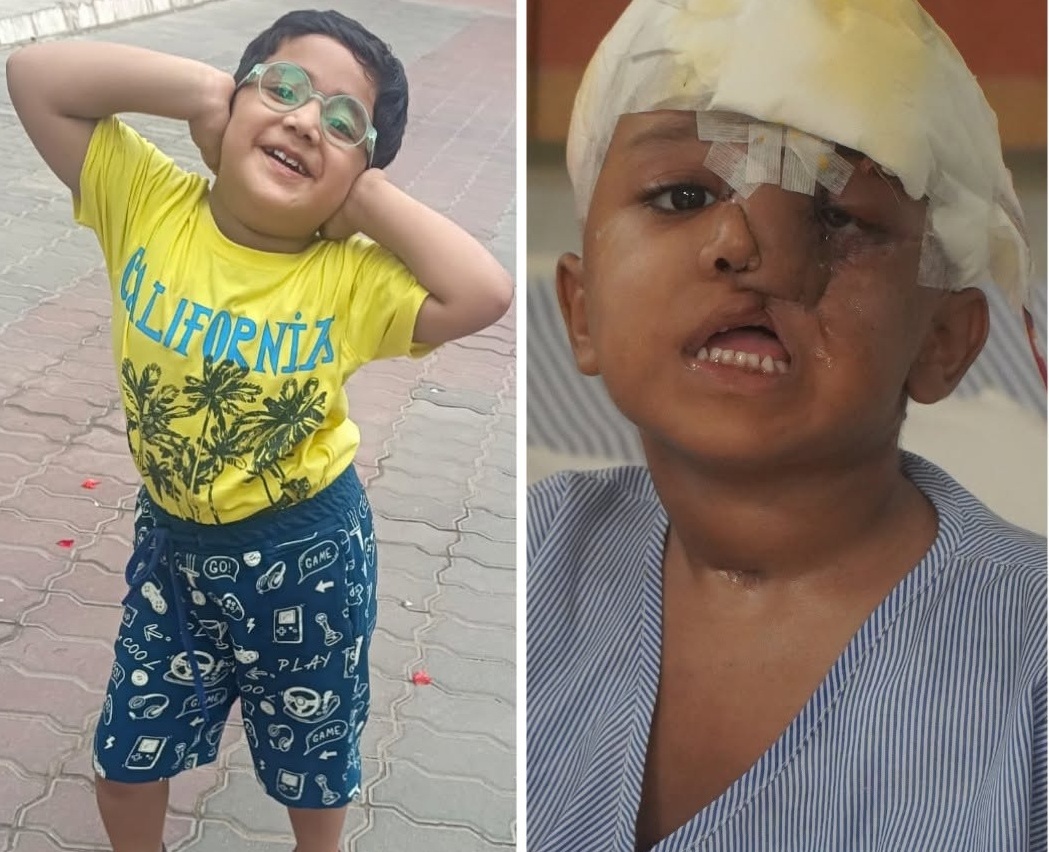
Daksh is only four years old, yet his life has already been shaped by a battle no child should ever have to face. Once a cheerful boy who loved to explore the world around him, Daksh is now living with a rare medical condition that is gradually affecting his body — and may soon take away his ability to see.
For his mother, raising Daksh has always meant standing strong alone. As a single parent, she has built her life entirely around protecting her son. But nothing prepared her for the moment doctors explained that his condition was progressing faster than expected and that urgent surgical care could determine his future quality of life.
“This is the hardest thing I have ever heard as a mother,” she said quietly. “You look at your child and realize that love alone is no longer enough to protect them.”
According to medical specialists, Daksh’s illness requires specialized treatment that is both complex and costly. Without timely intervention, the condition could lead to permanent complications, including severe visual impairment. While doctors remain cautiously hopeful, they stress that early action is critical.
To keep up with mounting medical expenses, Daksh’s mother has made extreme personal sacrifices. She has reduced her daily meals to the bare minimum, saving every possible amount for consultations, tests, and hospital visits. Friends say she has sold personal belongings and put aside all comfort to focus on her son’s care.
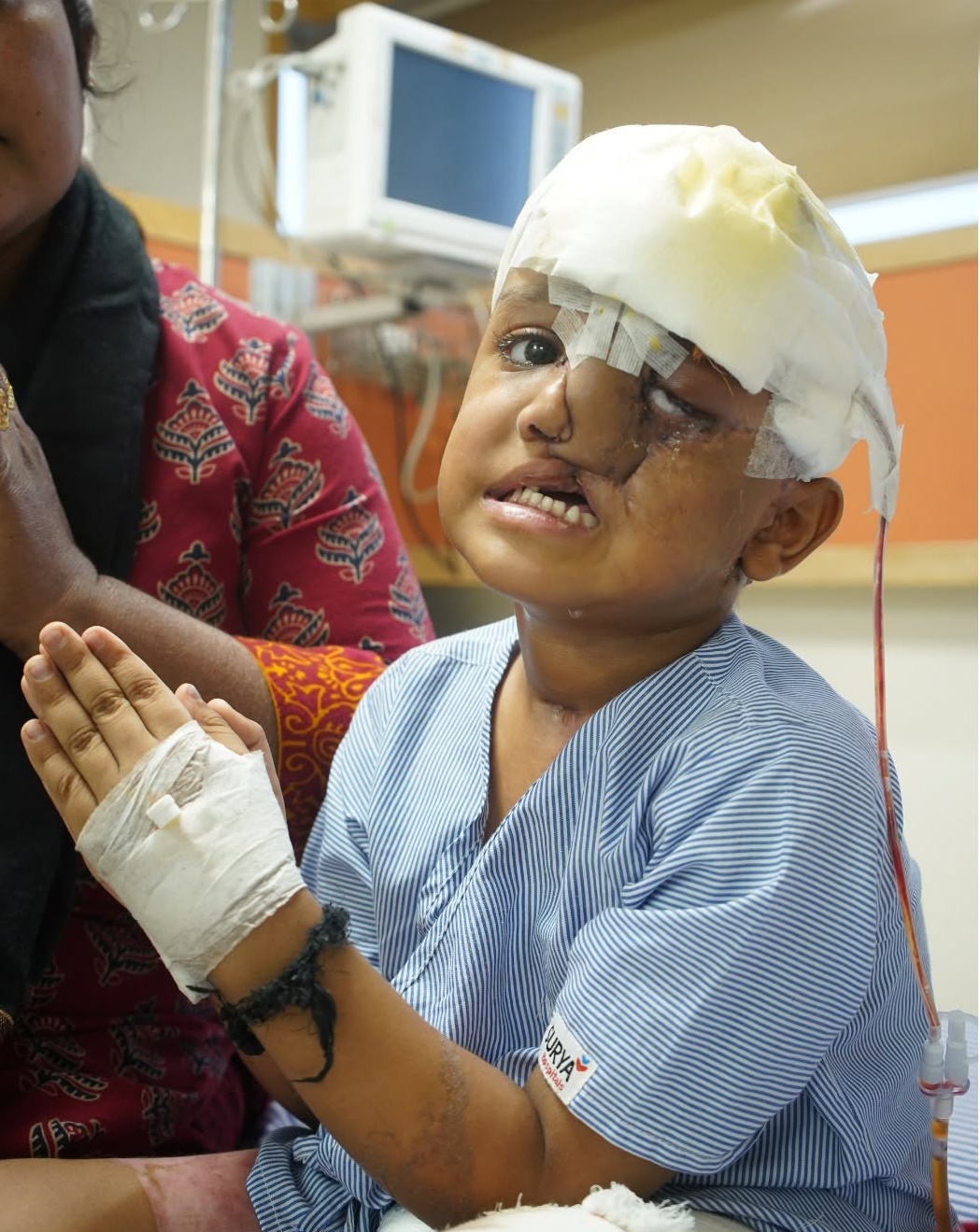
“I don’t think about myself anymore,” she shared. “If skipping meals means my child gets another chance, then it’s an easy choice.”
Family members describe the emotional toll as overwhelming. A relative close to the family said the situation has reshaped every part of their lives. “As parents, you are supposed to make your child feel safe,” he explained. “But when illness takes that control away, all you can do is fight with everything you have.”
Despite the uncertainty, Daksh’s mother continues to hold onto hope. She dreams of the simplest moments — walking her son home, watching him run freely, hearing his laughter without pain or fear.
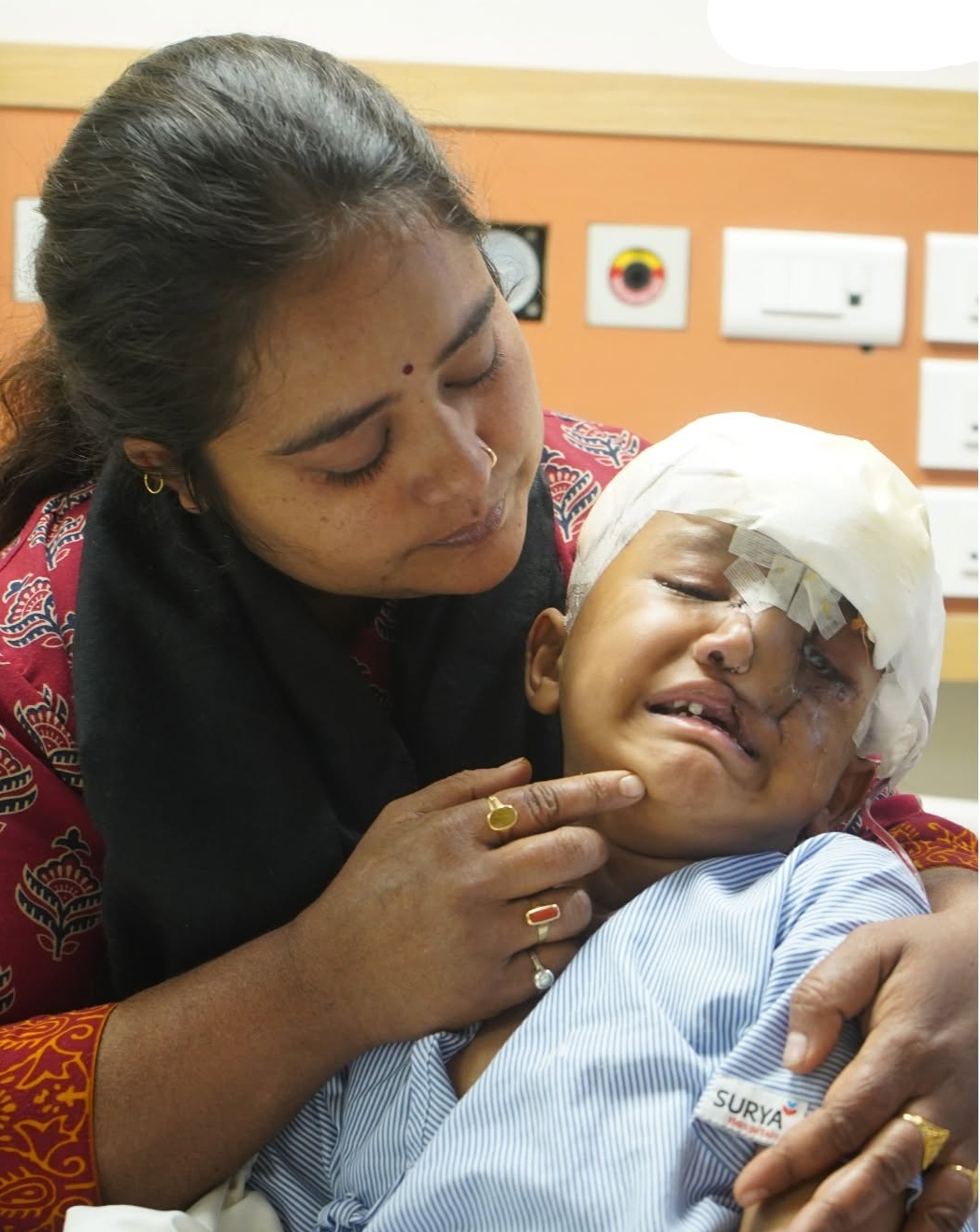
“I just want him to live like other children,” she said. “To see clearly, to play, to smile without suffering. That’s all I ask.”
Medical professionals emphasize that community awareness and support often play a crucial role in cases involving rare childhood conditions. Even small acts of compassion, they note, can help families bridge the gap between diagnosis and recovery.
As Daksh’s story spreads, it serves as a powerful reminder of how fragile childhood can be — and how determination, sacrifice, and human kindness can shape a child’s future.