A Childhood Shaped by Silent Challenges A 9 Year Old Boy’s Journey of Strength in the Post Chernobyl Era
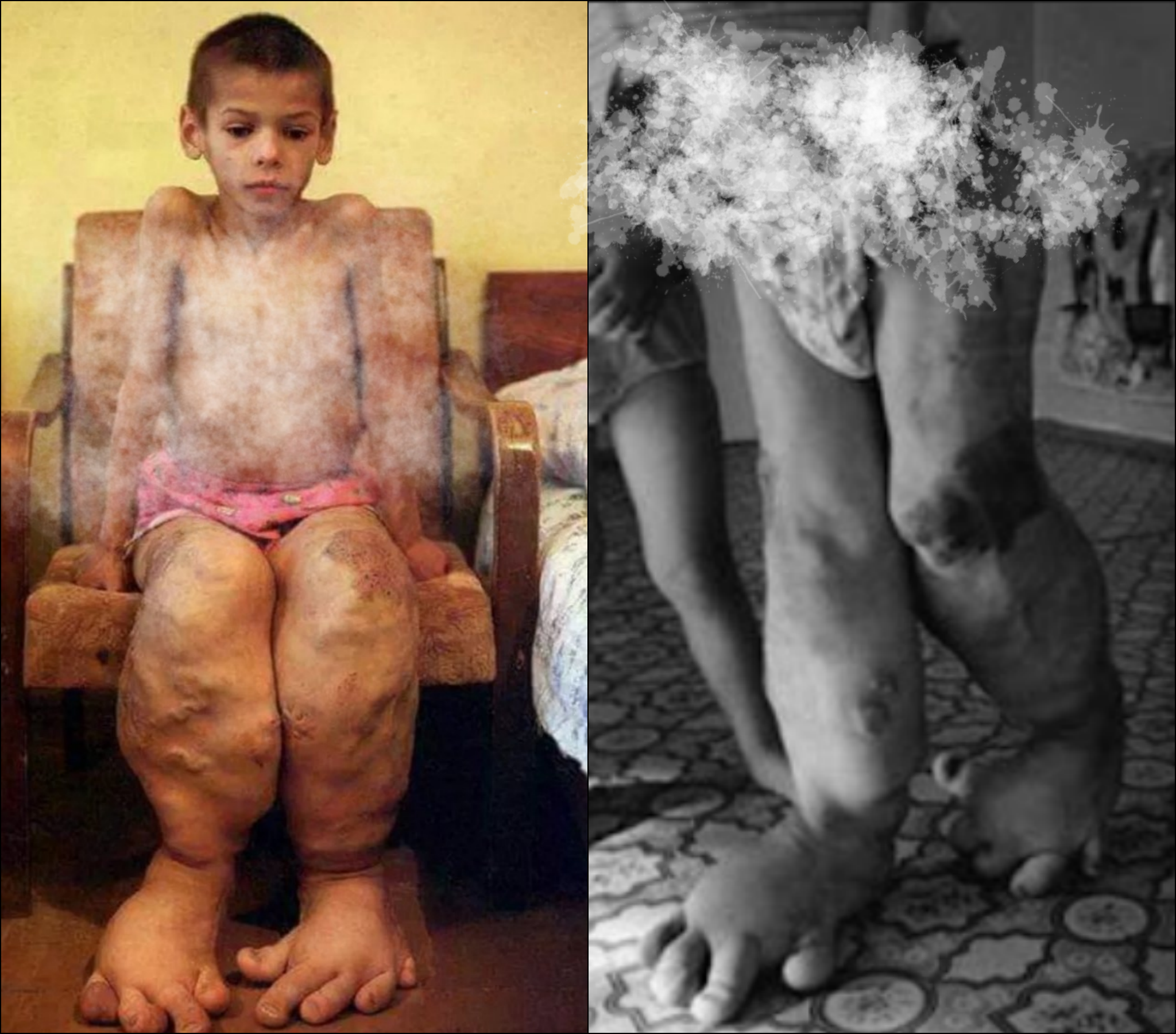
In a quiet town shaped by the long shadow of the post-Chernobyl era, a 9-year-old boy named Mykola is living a life defined by challenges far beyond his age.
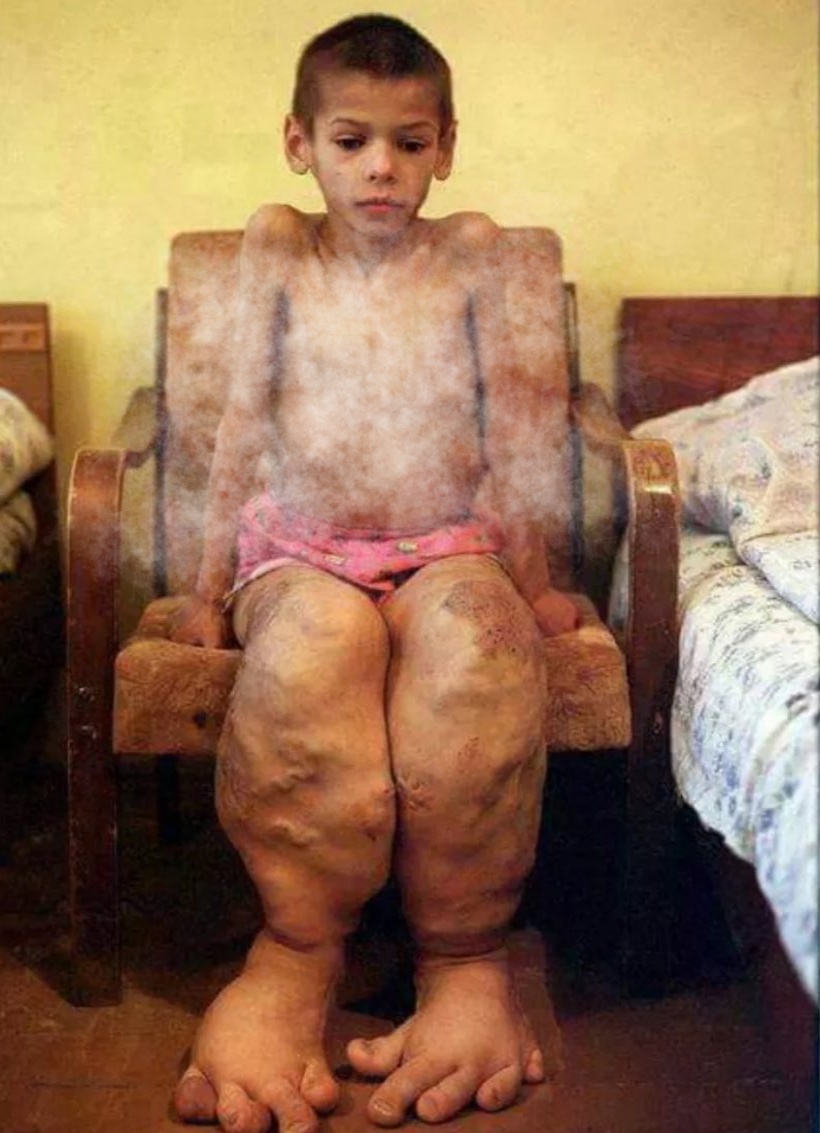
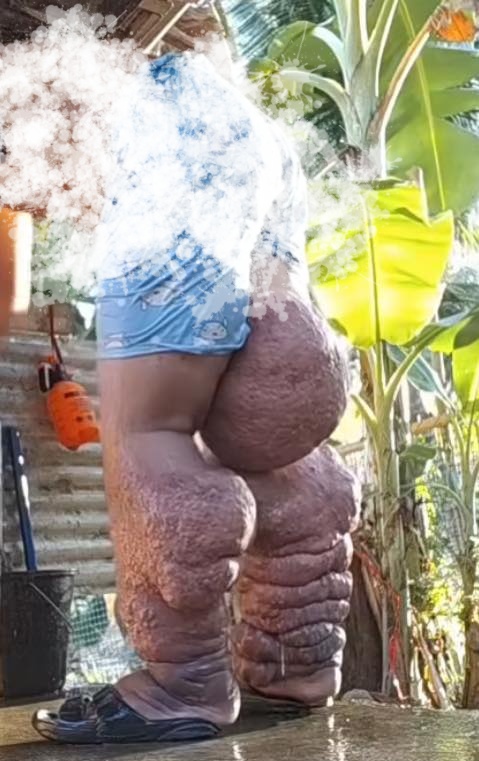
Doctors say Mykola’s condition closely resembles elephantiasis, a rare and serious illness often associated with parasitic infection transmitted through mosquito bites. Over time, the parasite can damage the body’s lymphatic drainage system, causing abnormal swelling and persistent fluid accumulation, particularly in the lower parts of the body.
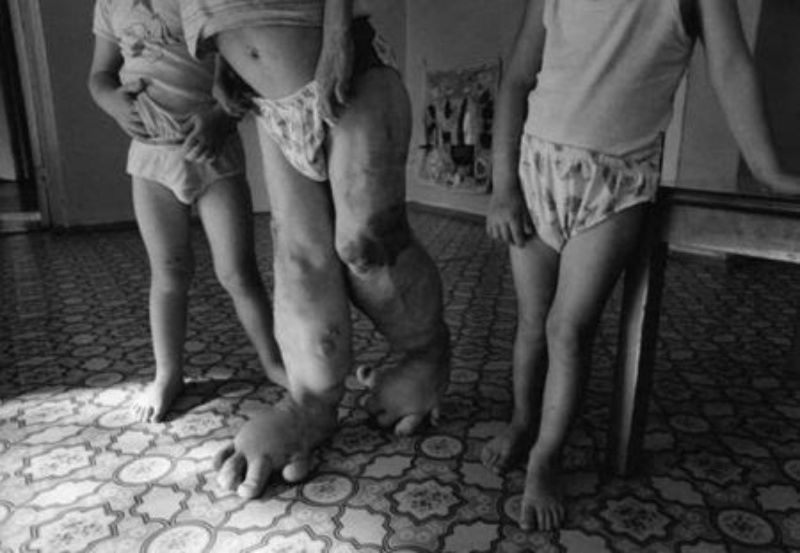
According to medical specialists involved in his care, the condition likely developed gradually. At first, the changes were almost invisible. Then, slowly, everyday tasks became harder. Walking required more effort. Rest brought little relief. Simple childhood routines turned into daily tests of endurance.
“Mykola used to run everywhere,” his mother said quietly. “At first, we thought he was just tired more often. We never imagined something like this.”
Her words reflect a common experience among parents facing rare medical conditions: confusion, delayed recognition, and the painful realization that something serious is unfolding. She explained that the family sought medical help as soon as the symptoms became impossible to ignore, but answers were slow to come.
His father described the emotional toll on the family. “As parents, the hardest part is not being able to take the pain away,” he said. “You look at your child, and you feel powerless. But you also know you have to stay strong, because he is watching you.”
Medical experts note that while elephantiasis is more commonly seen in tropical regions, cases can appear elsewhere due to migration, environmental factors, or undetected exposure years earlier. In Mykola’s case, doctors are still investigating the exact source of the infection.
Despite the physical limitations, those close to Mykola describe him as calm and determined. He continues to attend school when his condition allows and spends his free time drawing and reading. Teachers say he rarely complains and often reassures others that he is “okay.”
“He doesn’t ask, ‘Why me?’” his mother said. “He just asks what he can do next.”
That quiet acceptance, paired with steady courage, has become a defining part of Mykola’s story. While his future treatment path remains uncertain, his parents remain focused on small victories — a good day, a few steps taken without pain, a smile at the end of a long afternoon.
“We don’t know what tomorrow will bring,” his father said. “But today, he is still moving forward. And so are we.”
In a world still shaped by past disasters and lingering health consequences, Mykola’s journey is a reminder that some of the most powerful stories are not about survival alone, but about dignity, patience, and the strength found in ordinary days.