Beyond the Glass: The Taipei 101 Incident and the Unexplained Precision of Alex Honnold
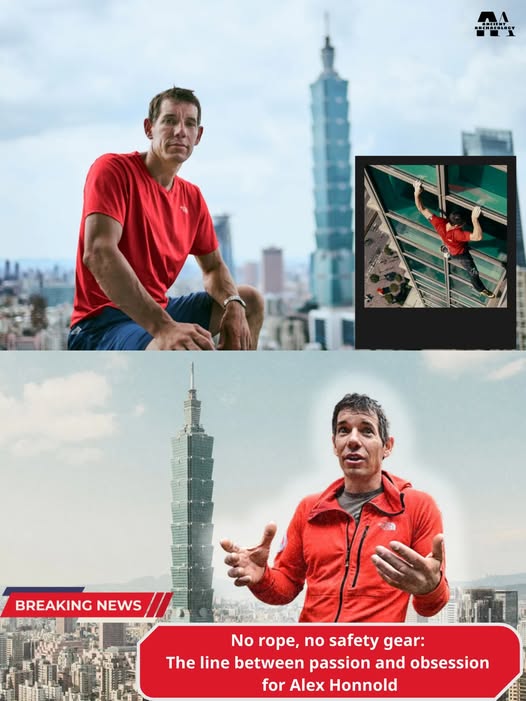
Footage showing world-renowned climber Alex Honnold scaling sections of Taipei 101 without a safety rope has triggered widespread attention across the global climbing and outdoor-sports community, with experts now closely examining how the ascent was planned and managed.
The video, filmed from multiple angles and reportedly including footage from Honnold’s own cameras, shows the climber moving high above the city in challenging urban conditions. While the images were initially celebrated online as another extraordinary display of free-solo skill, several professional climbers and safety specialists have since called for a clearer explanation of the preparation and risk controls involved.
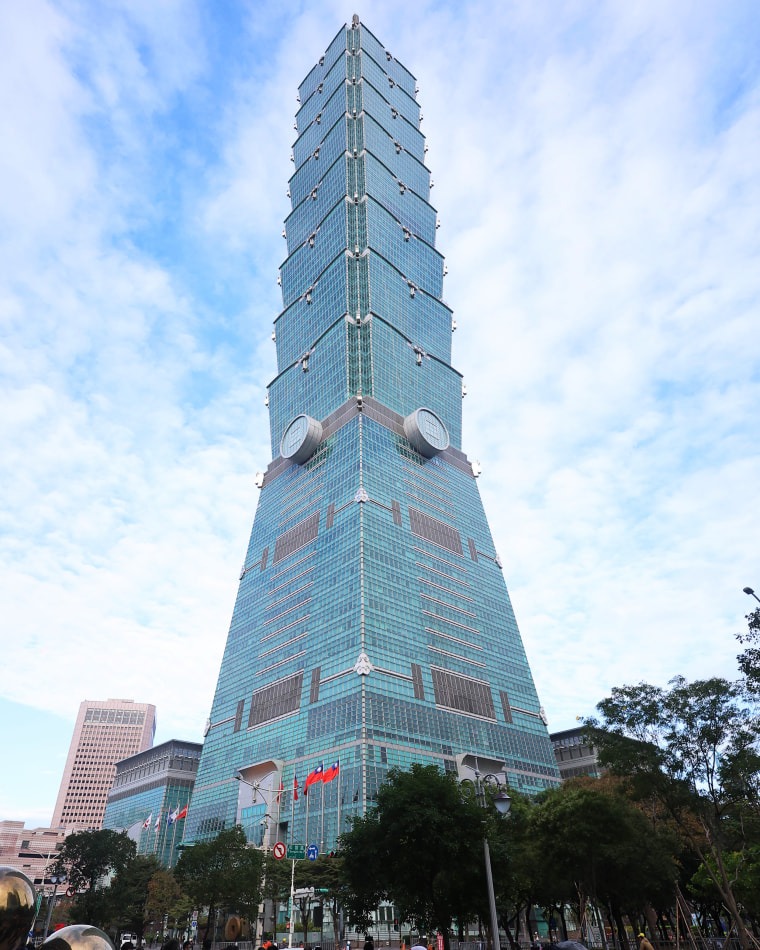
Observers familiar with Honnold’s previous projects note that his climbs are typically supported by extensive planning, route analysis, weather assessment and logistical coordination, even when no rope is used during the ascent itself. However, portions of the footage appear to show brief moments in which Honnold pauses longer than expected, prompting speculation among commentators about changing conditions, fatigue or environmental factors such as wind and surface temperature.
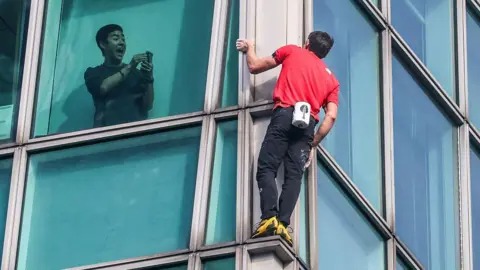
At present, no official statement has been released by Honnold or his team regarding the technical details of the climb.
Event and building safety officials in Taipei have also confirmed that they are reviewing how access to the structure was arranged and whether all relevant safety and filming permissions were in place. The review is described as standard procedure following any high-profile activity on major infrastructure.
Climbing professionals caution against drawing conclusions from short video clips alone. They emphasise that brief pauses or adjustments are common even for elite athletes, particularly during complex urban ascents.