ANCIENT ROMAN “PILATE STONE” FROM CAESAREA CONFIRMS A KEY NEW TESTAMENT FIGURE — SCHOLARS URGE CAUTION OVER VIRAL CLAIMS

ANCIENT ROMAN “PILATE STONE” FROM CAESAREA CONFIRMS A KEY NEW TESTAMENT FIGURE — SCHOLARS URGE CAUTION OVER VIRAL CLAIMS
Viral headlines claiming that an ancient Roman stone tablet has “crushed” religious beliefs about Jesus are being widely shared online. However, historians and archaeologists say the discovery in question is not new, and its meaning has been widely understood for decades.
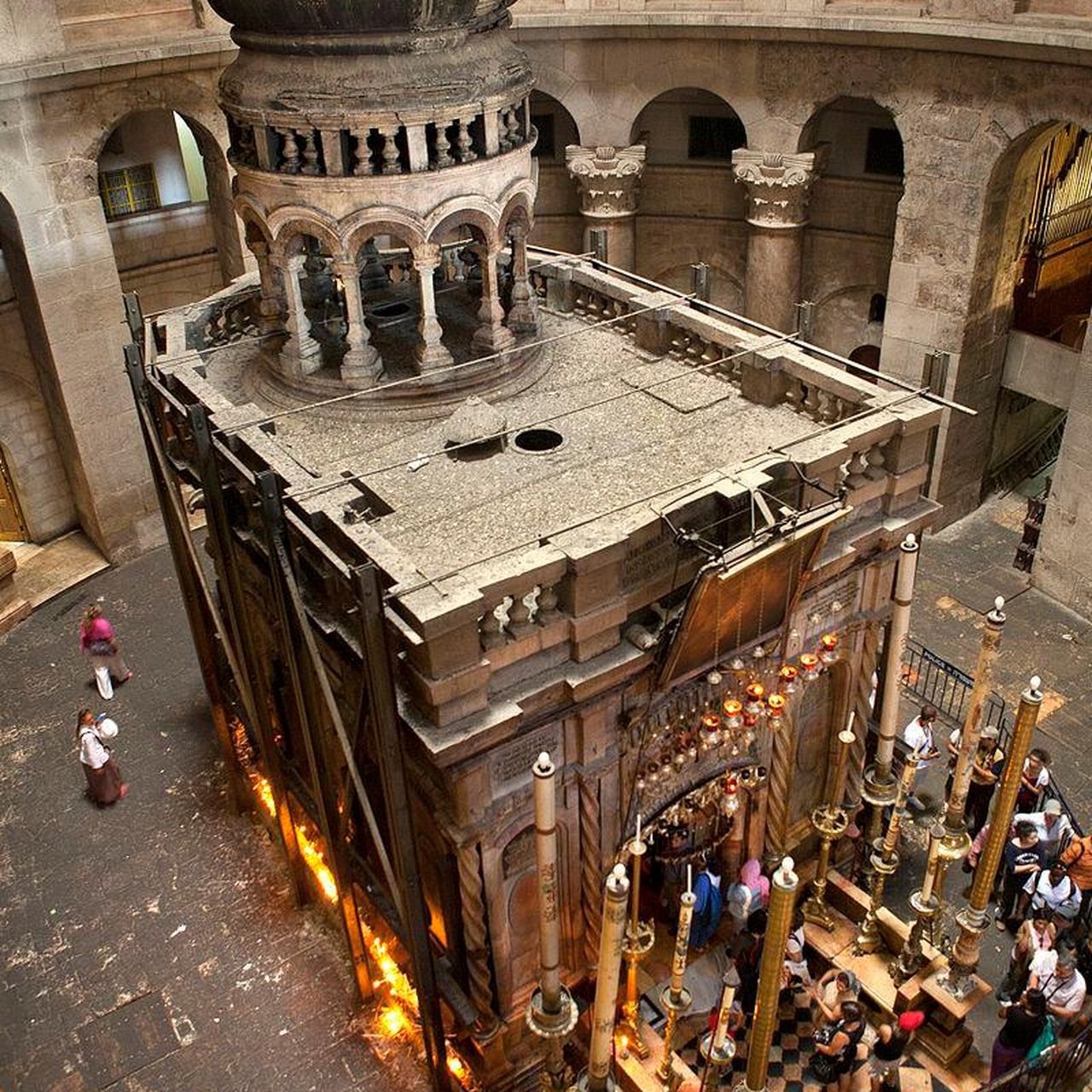
The artifact being referenced is known as the Pilate Stone, a limestone inscription discovered in 1961 in the ancient Roman city of Caesarea Maritima (in present-day Israel).
The inscription contains the name Pontius Pilate, the Roman prefect of Judea during the time traditionally associated with Jesus.
For historians, the significance of the stone is clear and limited:
It provides independent archaeological confirmation that Pontius Pilate was a real historical Roman official.
The inscription is dated to the first century CE, and it remains one of the most important non-biblical pieces of evidence for the Roman administration in Judea.
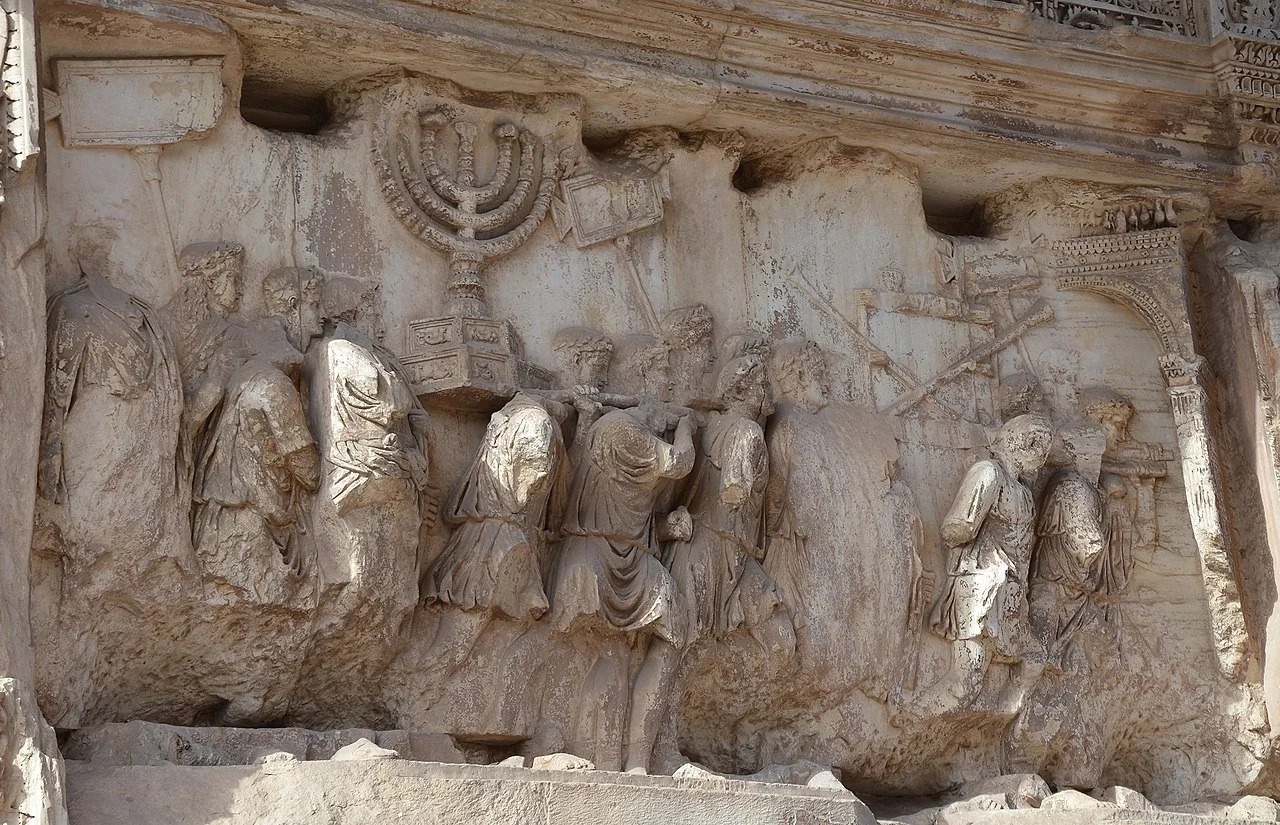
However, experts stress that the stone:
-
does not mention Jesus,
-
does not describe any events related to the crucifixion, and
-
does not address theological claims made by any religion.
The artifact simply confirms the historical existence and official title of Pontius Pilate.
Scholars also point out that the discovery does not “disprove” or “crush” the beliefs of any religious tradition. In particular, Islam, Christianity and Judaism each approach the figure of Jesus through different theological frameworks. Archaeology can help verify historical context and political figures, but it does not resolve religious doctrine.
Academic historians emphasize that the Pilate Stone is best understood as:
a valuable confirmation of Roman governance in Judea during the early first century — not as evidence meant to support or undermine any modern religious belief.