Dad Asked For Help To Find His Body Again, 4 Years Later, A Miracle Came
- ThanhHuyen
- February 13, 2026
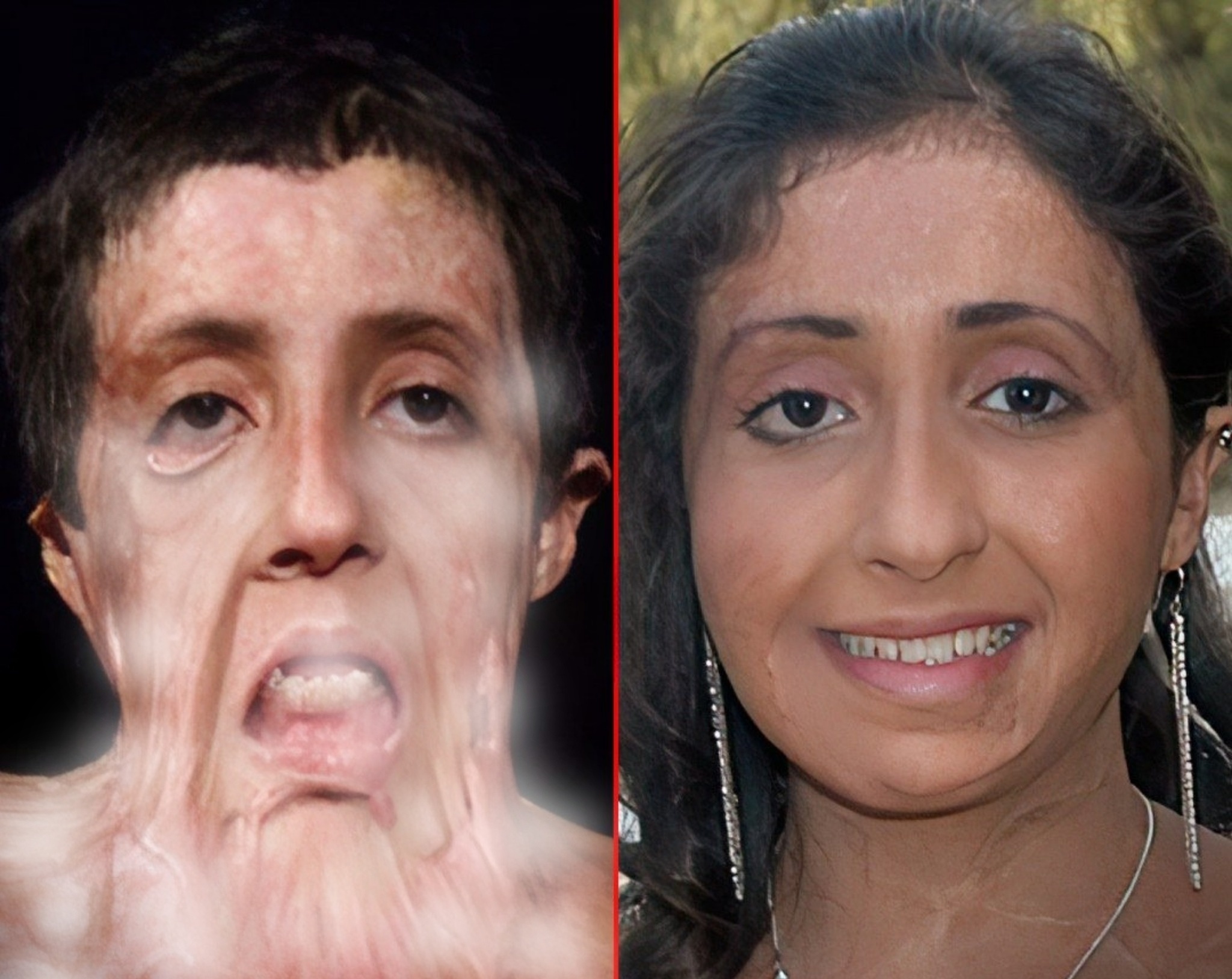
In 2001, nine-year-old Zubaida Hasan from Afghanistan experienced a life-altering accident when a kerosene lamp exploded inside her home. The blast left her with extensive burns across her face, neck, chest, and arms, injuries so severe that her chin became fused to her chest. She could not close her eyes properly, and even the simple act of smiling became impossible.
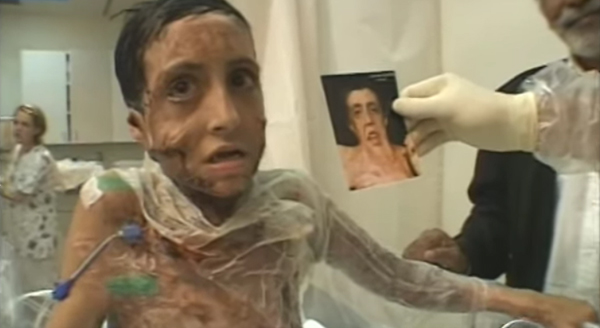
In the months that followed, Zubaida’s family sought medical care in neighboring Iran. While doctors there provided emergency treatment, her condition showed little long-term improvement. Scar tissue tightened as it healed, restricting her movement and altering her appearance in ways that deeply affected both her physical comfort and emotional well-being.
Determined to find further help, Zubaida’s father brought her to a U.S. military base in Kabul. Medical personnel who examined her recognized the complexity of her injuries and reached out beyond Afghanistan for specialized assistance. Their efforts led to contact with Dr. Peter Grossman, a plastic surgeon based in Los Angeles known for treating patients with severe burn trauma.
Moved by the child’s case, Dr. Grossman agreed to evaluate her. With support from the Children’s Burn Foundation, arrangements were made for Zubaida to travel to California for advanced reconstructive procedures. The organization, which assists young burn survivors from around the world, helped coordinate logistics, funding, and long-term care planning.
According to physicians involved in her treatment, Zubaida required multiple staged surgeries to release scar contractures, rebuild damaged tissue, and gradually restore mobility to her neck and facial muscles. Reconstructive surgery in burn cases often involves a series of delicate operations performed over months or even years. Surgeons must carefully remove restrictive scar tissue and graft healthy skin to improve both function and appearance.
Dr. Grossman later reflected on the complexity of her case, noting that severe burn scarring can dramatically limit a child’s ability to perform basic daily activities. His remarks highlighted not only the technical challenges but also the emotional dimension of treating young patients who have endured prolonged hardship. Medical professionals close to the case emphasized that restoring movement—allowing her to lift her head, blink naturally, and eventually smile—was just as important as cosmetic reconstruction.
The psychological impact of such injuries can be profound. Experts in pediatric burn recovery explain that children who survive serious burns often face social isolation, anxiety, and reduced self-esteem. In Zubaida’s situation, the physical transformation achieved through surgery played a crucial role in rebuilding her confidence. Care providers observed that as her mobility improved, so did her willingness to engage with others and participate in daily activities.
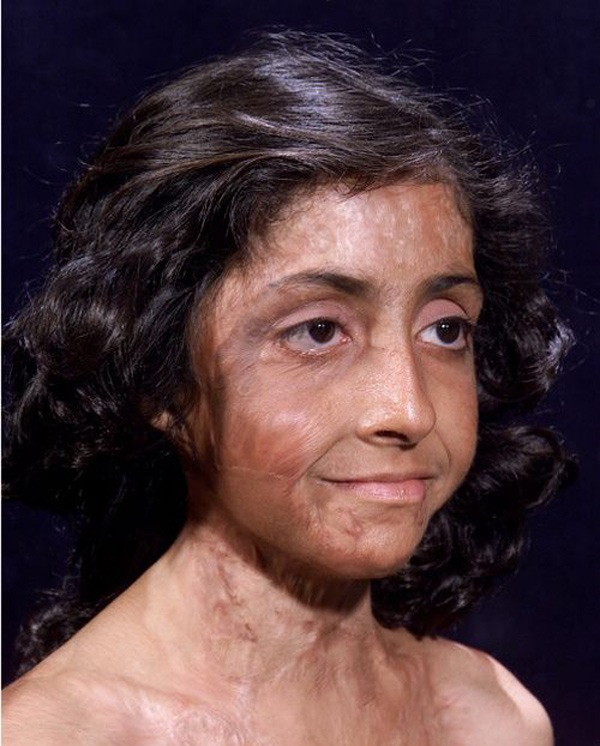
Over time, the reconstructive work reshaped her features and restored much of her natural expression. The gradual changes marked a turning point not only in her physical recovery but also in her outlook on life.
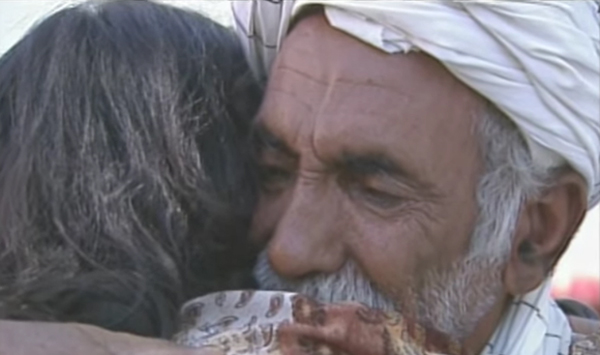
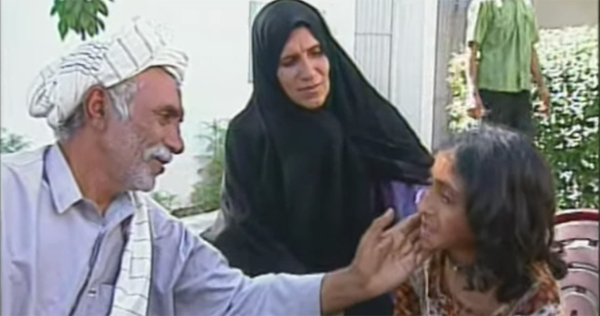
When her treatment concluded, Zubaida returned to Afghanistan. Family members and neighbors welcomed her home with visible emotion, celebrating both her improved health and her resilience. For her community, her return symbolized perseverance in the face of overwhelming adversity.
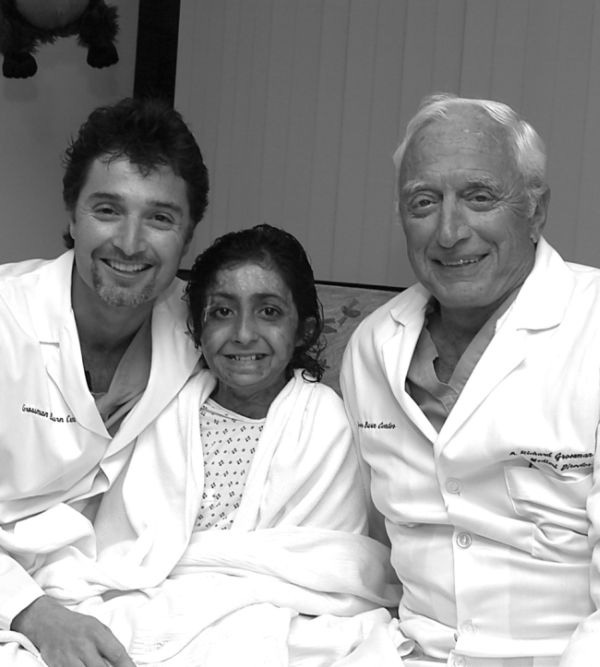
Her journey also underscores the broader importance of international medical collaboration. From local doctors in Kabul to specialists in Los Angeles and the support network of the Children’s Burn Foundation, her recovery became a cross-border effort driven by compassion and professional dedication.
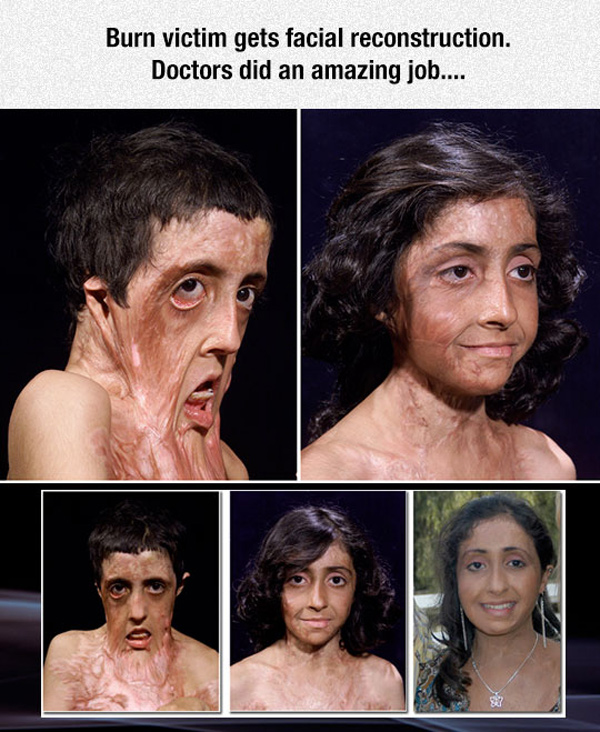
While her early childhood was marked by trauma, Zubaida’s story today stands as an example of how coordinated medical care and determined advocacy from family members can change the course of a young life. Her experience continues to inspire conversations about access to specialized burn treatment and the long-term support children need to heal physically and emotionally after catastrophic injuries.