Sadiq Khan Defends London’s Safety Record in Tense Live TV Interview with Piers Morgan
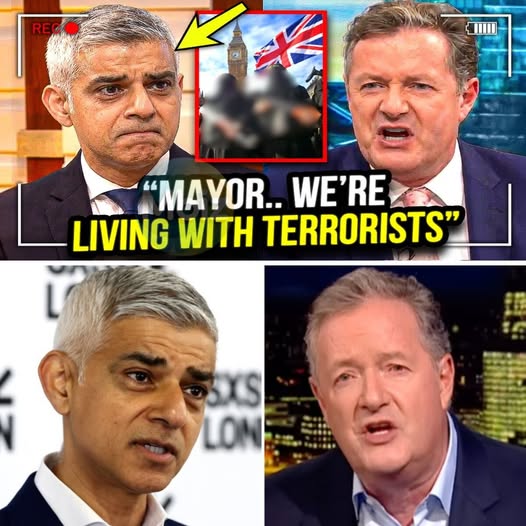
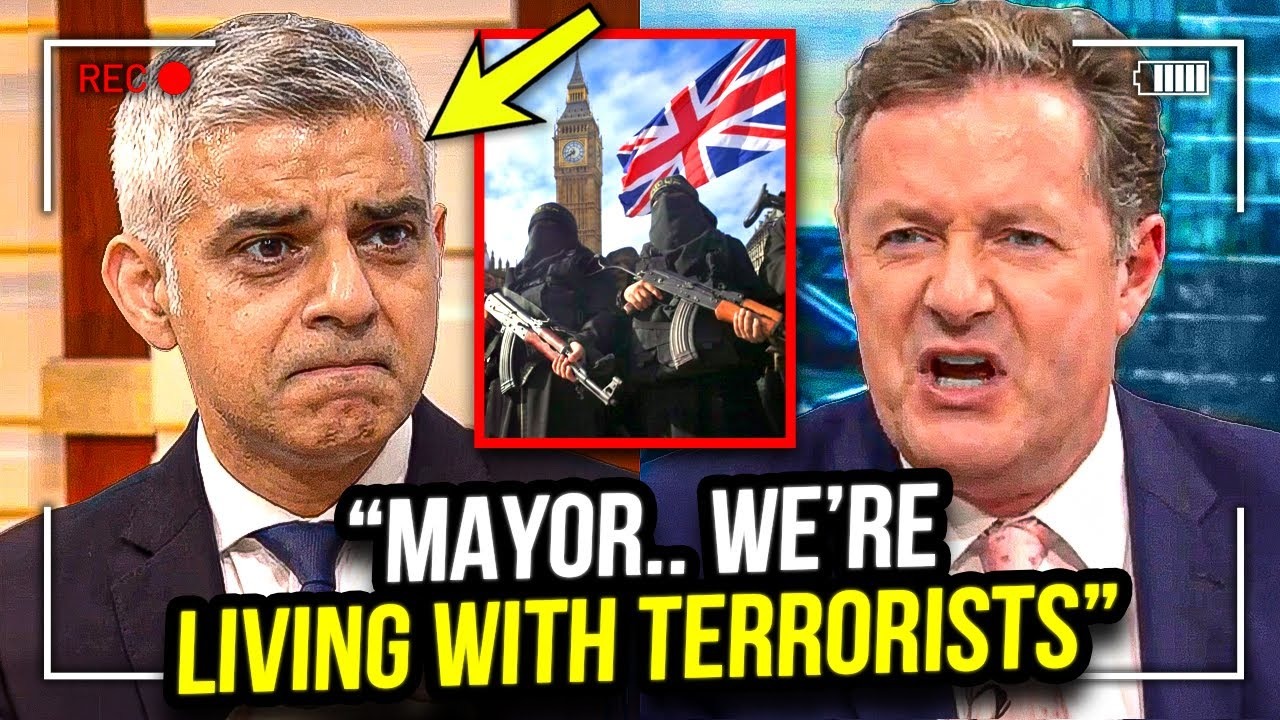
London Mayor Sadiq Khan faced a robust and wide-ranging challenge from broadcaster Piers Morgan during a live television interview this week, as concerns over crime, extremism and public safety in the capital were placed under intense scrutiny.
During the exchange, Morgan questioned the Mayor over London’s ability to deal with violent crime, gang activity and the long-term risks linked to individuals who have previously travelled overseas to join extremist groups. He also raised public anxieties about social cohesion and demographic change, arguing that many Londoners feel their concerns are being dismissed.
Khan rejected claims that the city is becoming less safe because of a failure of leadership, and said it was wrong to frame community change or diversity as a security threat. He stressed that counter-terrorism operations and decisions on monitoring individuals are led by national security agencies and the police, rather than City Hall.
The Mayor said his role is to support the Metropolitan Police through funding, strategic oversight and investment in violence reduction programmes. He pointed to additional resources for neighbourhood policing, youth intervention schemes and specialist units tackling serious organised crime.
On the issue of people returning to the UK after involvement in overseas conflicts, Khan said the responsibility for investigation, surveillance and prosecution lies with the Home Office, the security services and the courts. He added that London continues to work closely with national agencies to prevent radicalisation and protect public safety.
The interview became tense as Morgan pressed the Mayor to outline more specific measures to reassure the public, particularly in relation to knife crime and serious violence. Khan acknowledged that fear of crime remains a major concern for many residents, but said long-term solutions require sustained investment, prevention and cooperation between local and national authorities.
The exchange reflects a wider national debate about public confidence in policing, counter-terrorism policy and the role of city leadership in addressing complex security challenges in major urban centres.