Rupert Lowe Sparks Commons Firestorm After Halal Meat Transparency Clash With Labour MP
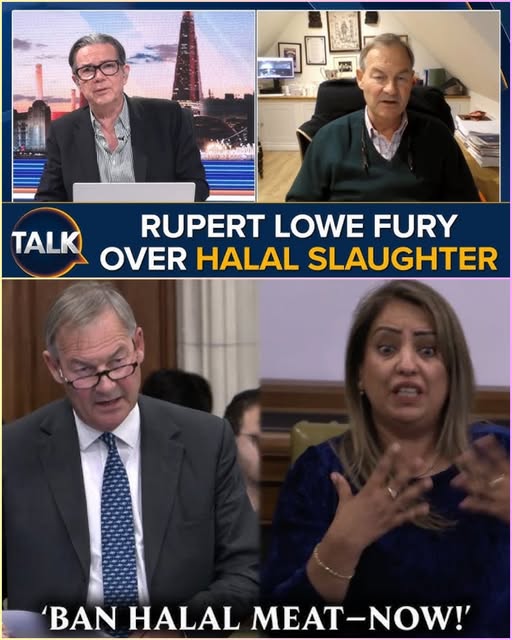
A heated exchange in the House of Commons has triggered a growing political row over halal meat labelling, animal welfare standards and consumer transparency, after Reform UK MP Rupert Lowe sharply challenged a Labour MP during a debate on food regulation and public information.
The confrontation centred on whether consumers are being given clear and consistent information about how meat is produced and slaughtered, particularly in public settings such as schools, hospitals and other state-funded institutions.
During the debate, Lowe argued that the issue should not be framed as a religious dispute, but as a matter of public trust, animal welfare and informed consumer choice. He told the chamber that millions of people believe they are being kept in the dark by unclear or inconsistent labelling practices across supermarkets, restaurants and catering suppliers.
Lowe accused ministers and Labour MPs of avoiding the subject for fear of controversy, and said that the absence of clear, mandatory labelling leaves consumers unable to make informed decisions about the food they purchase and consume.

“The public deserve to know how their food is produced,” he said, adding that transparency should apply equally across all slaughter methods.
The Labour MP challenged Lowe’s claims, arguing that existing food standards and labelling rules already protect consumers and that the debate risked creating unnecessary division. He rejected the suggestion that there was any coordinated effort to conceal information from the public.
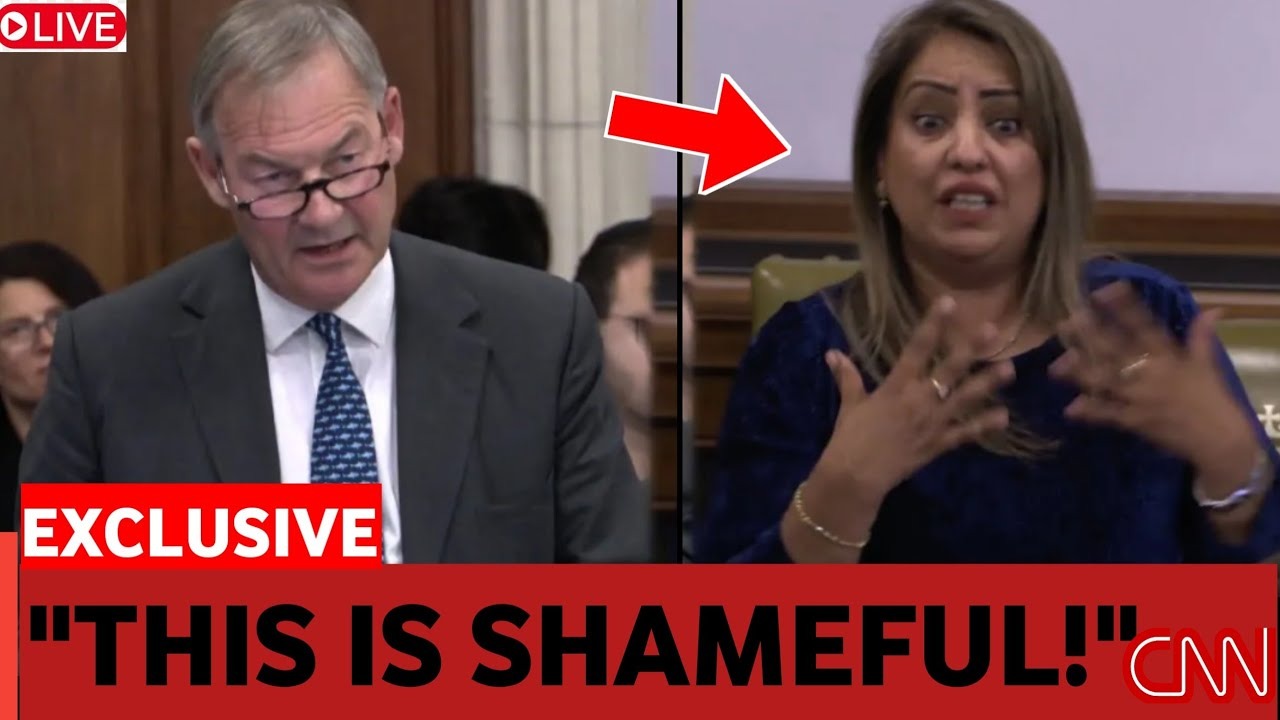
The exchange quickly escalated, with Lowe accusing his opponent of misleading the House and helping to maintain what he described as a “culture of avoidance” around difficult discussions on food production and animal welfare standards.
At the heart of the dispute is the long-running question of how meat produced under religious slaughter exemptions should be labelled, and whether current regulations strike the right balance between religious freedoms, animal welfare expectations and consumer rights.