Katie Stubblefield Makes History with Groundbreaking Face Transplant at a Remarkably Young Age
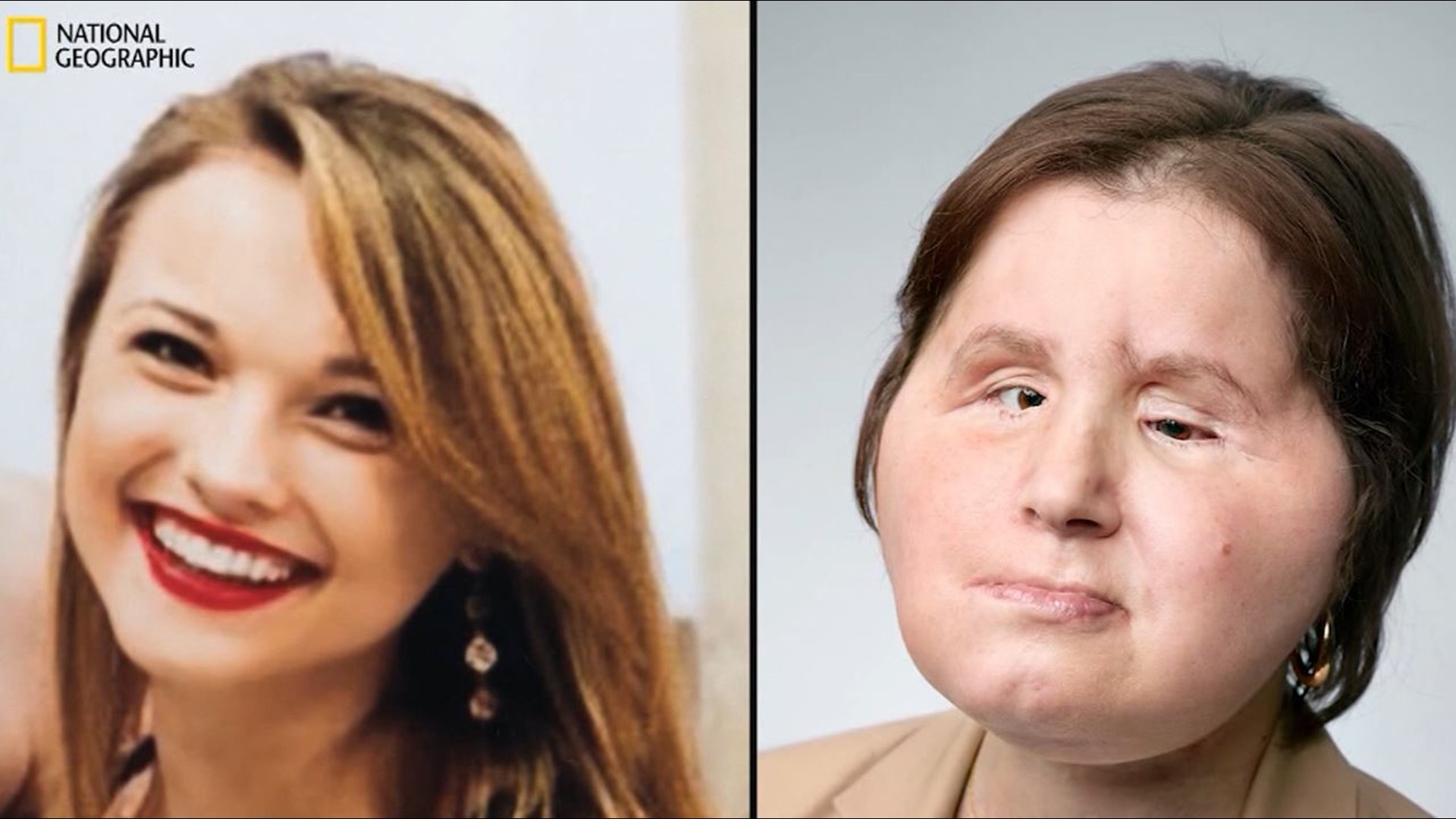
In 2017, a historic milestone in American medicine quietly unfolded inside the operating rooms of the Cleveland Clinic. At just 21 years old, Katie Stubblefield became the youngest person in the United States to undergo a full face transplant — a procedure that would not only redefine her future, but also expand the boundaries of reconstructive surgery.
Katie’s story began years earlier, when at 18 she survived a catastrophic injury that left her with devastating facial damage. The trauma required immediate, life-saving intervention and marked the beginning of a long and uncertain medical journey. For years, she underwent extensive treatment and evaluation while doctors carefully assessed whether she would qualify for one of the most complex transplant procedures ever attempted.

By 2017, after rigorous physical and psychological preparation, a multidisciplinary team at Cleveland Clinic determined that Katie was a candidate for transplantation. The operation would ultimately last more than 30 hours and involve dozens of specialists, including transplant surgeons, anesthesiologists, nurses, immunologists, and rehabilitation experts. Such procedures demand extraordinary coordination, as surgeons must reconnect bone, muscle, nerves, blood vessels, and skin with microscopic precision.
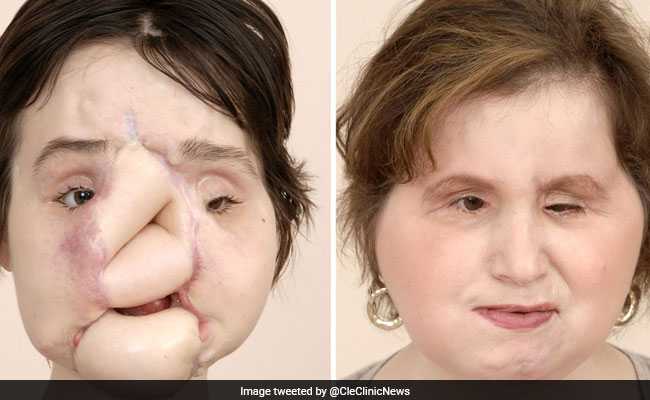
Central to this breakthrough was the donor, Andrea Schneider. After her passing, her family made the decision to donate her organs and tissues — an act that made the transplant possible. In later interviews, Katie expressed profound gratitude toward the donor family, emphasizing that her recovery was not only a medical achievement but also a reflection of another family’s generosity during a moment of loss.
Medical experts involved in the case have often highlighted that face transplantation is not simply cosmetic reconstruction. It is a functional procedure designed to restore essential abilities — speaking, breathing, eating, blinking, and expressing emotion. In Katie’s case, surgeons replaced much of her facial tissue, making the surgery one of the most extensive ever performed on a patient so young in the United States.
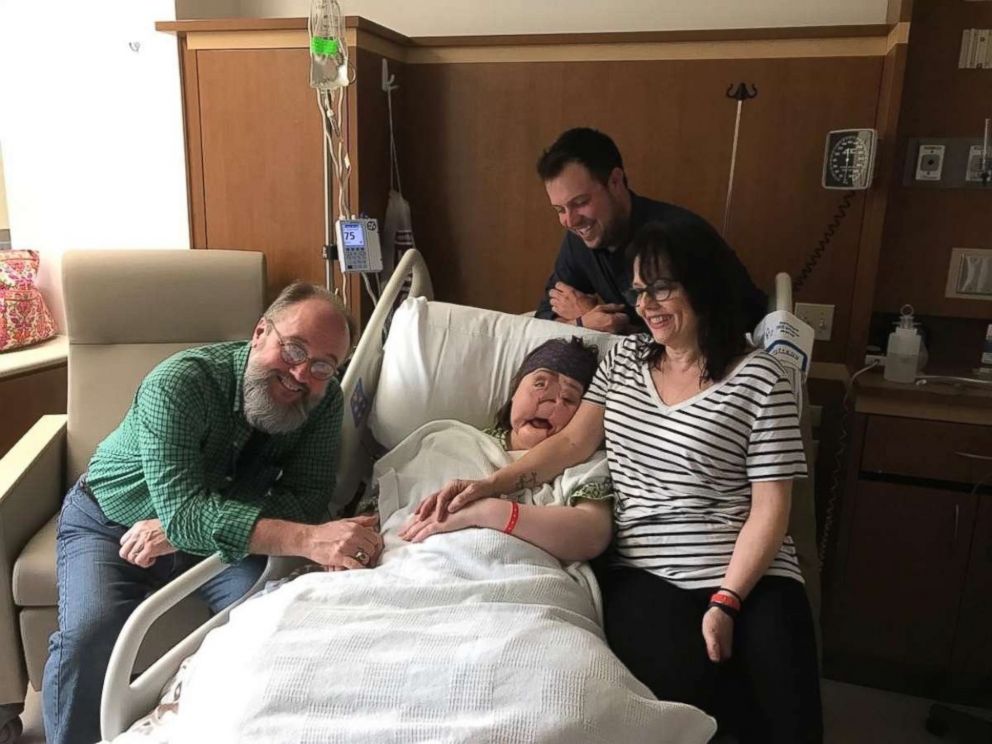
Recovery proved just as demanding as the operation itself. Katie spent years in rehabilitation, relearning how to form words clearly, control facial muscles, and perform everyday tasks many take for granted. Specialists in speech therapy and physical therapy worked closely with her as nerve regeneration slowly improved movement and sensation.
In public comments about her journey, Katie has spoken candidly about resilience and identity. She has noted that while the transplant restored physical function, the emotional process required patience and acceptance. Observers say her reflections underscore an important truth about reconstructive medicine: surgical innovation alone is not enough — long-term healing depends on psychological strength and sustained medical support.
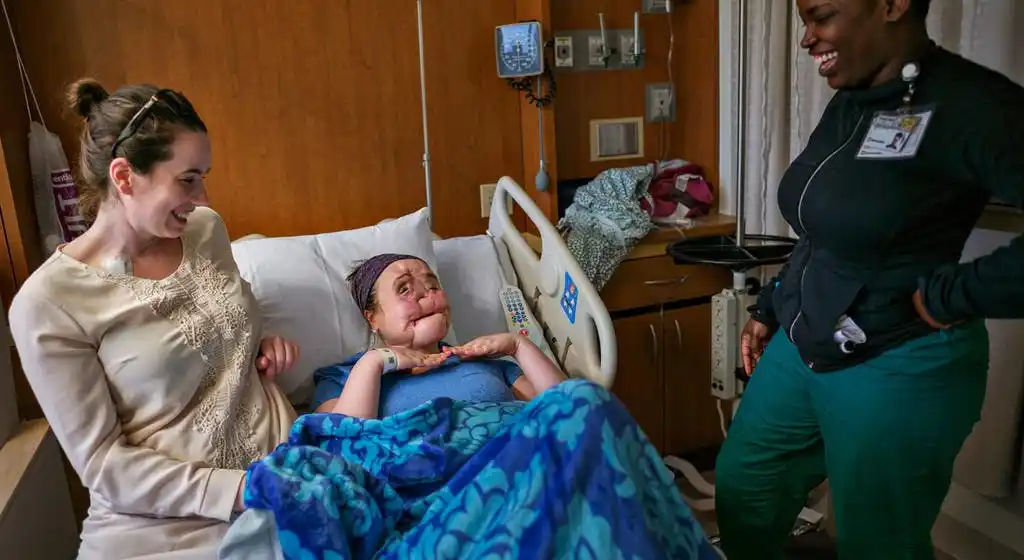
Doctors involved in the case have described the transplant as both a scientific and human milestone. Beyond its technical difficulty, the procedure demonstrated how advances in immunosuppressive therapy and surgical planning are expanding possibilities for patients with severe facial injuries. However, they also caution that such surgeries require lifelong monitoring to prevent rejection and manage complications.
Katie’s journey later reached a global audience when she appeared on the cover of National Geographic. The feature explored not only the medical intricacies of her transplant but also the broader ethical and social questions surrounding facial transplantation — identity, consent, donor legacy, and long-term risk.
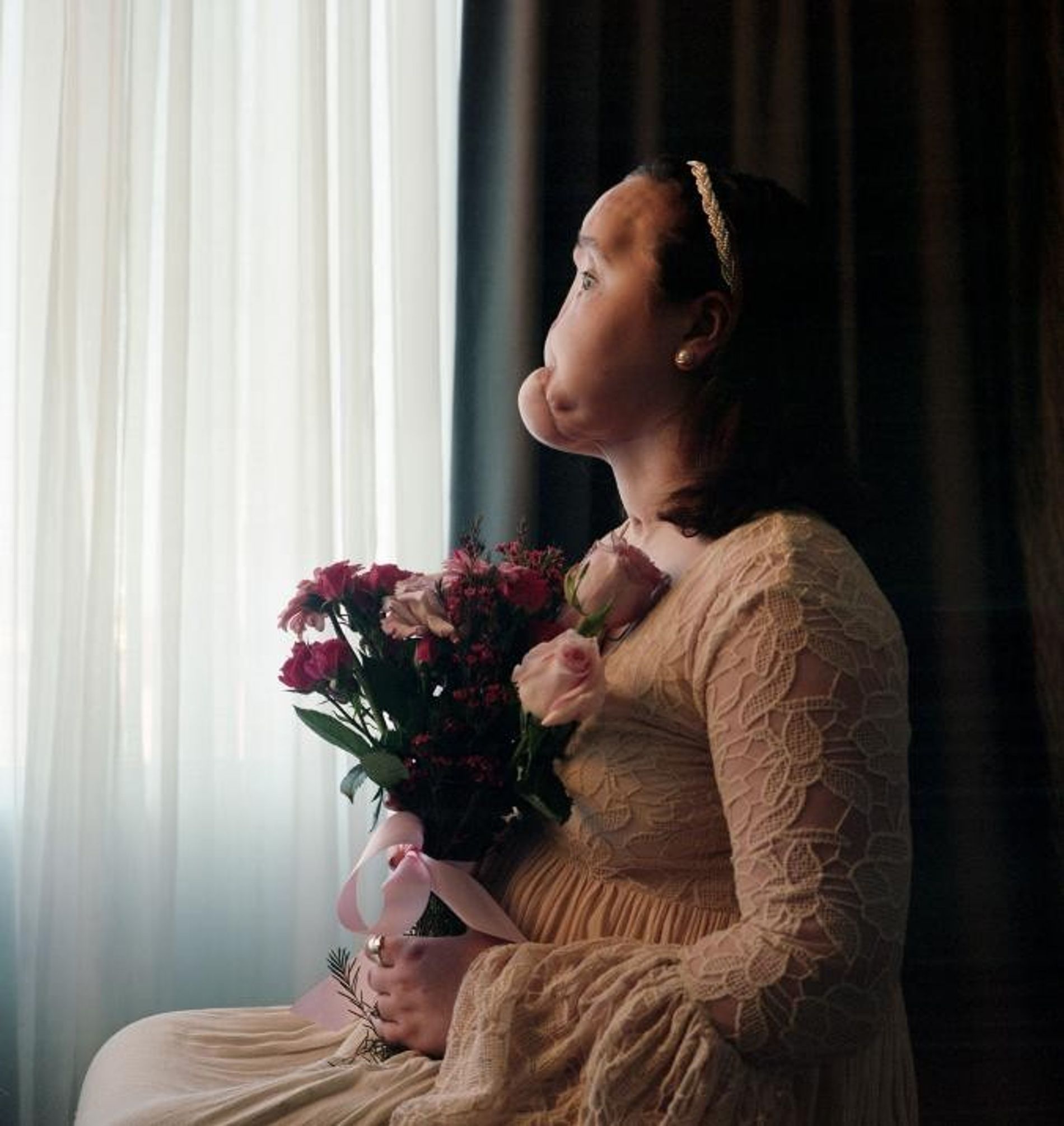
Today, Katie’s story continues to be referenced in discussions about modern reconstructive medicine. Her experience illustrates the convergence of surgical innovation, donor generosity, and human resilience. While face transplantation remains rare and highly complex, cases like hers demonstrate how far the field has progressed — and how collaboration between families, patients, and medical teams can create outcomes once thought impossible.
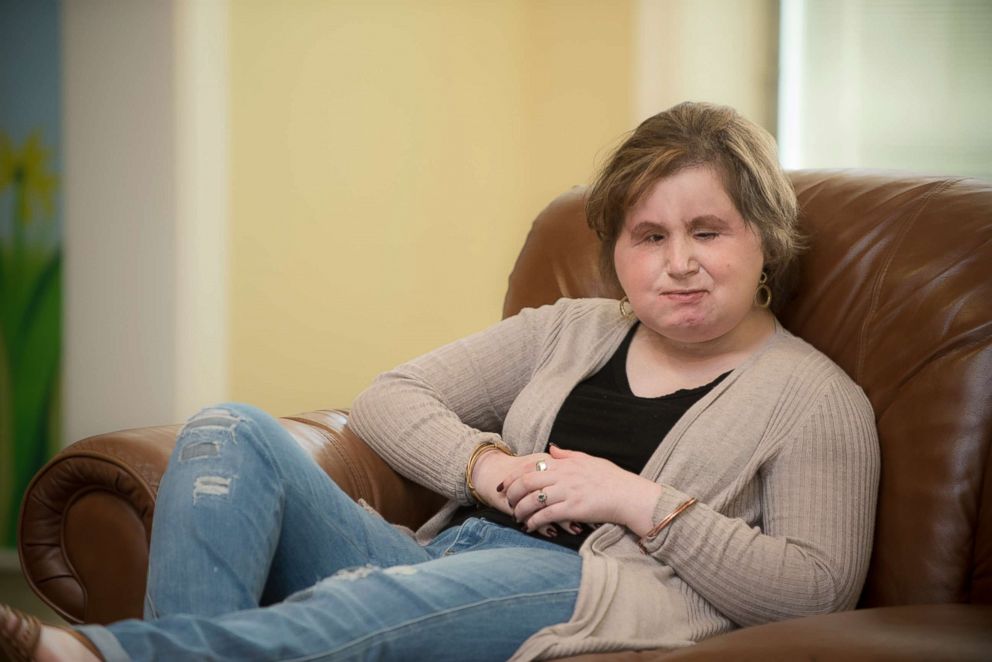
As specialists continue refining transplant techniques and post-operative care, Katie Stubblefield’s case stands as a landmark in medical history — a testament to both cutting-edge science and the enduring capacity for recovery.