Sabine Dardenne – The Choice to Live
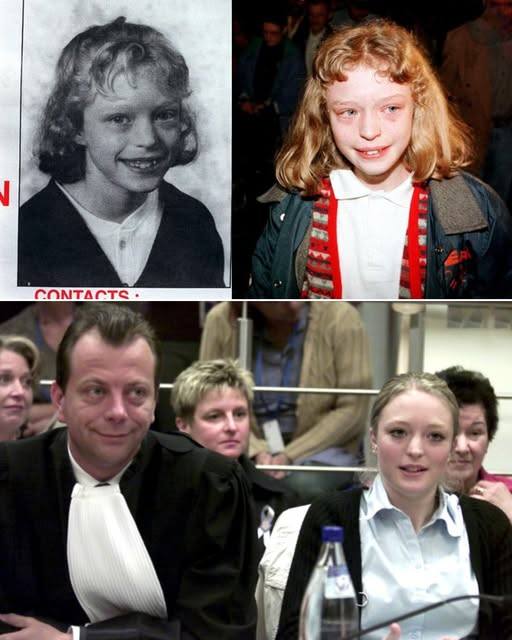
In May 1996, in the quiet neighborhoods of Belgium, twelve-year-old Sabine Dardenne was just an ordinary schoolgirl. Morning classes. Bicycle rides. Familiar streets that felt safe and small in the way childhood often does.
Then, without warning, that world went dark.
Sabine was abducted by Marc Dutroux, a man who would later be exposed as one of Europe’s most notorious criminals. He confined her in a hidden underground cellar — no windows, no daylight, no sense of passing time. The air was still. The silence heavy. Days blurred into one another until time itself seemed to disappear.
For 80 days, she endured isolation no child should ever face.
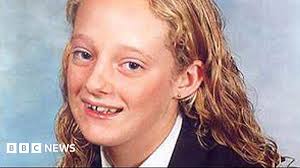
But in that darkness, Sabine made a quiet, powerful decision: he would not erase her.
She repeated the names of her family so she would not forget who she was. She imagined writing letters in her mind, constructing conversations that kept her connected to the world beyond the walls. When she spoke, it was not out of trust — it was an act of resistance. Every memory she preserved became proof that she still existed.

In August 1996, during a police search, Sabine was found alive. Her rescue shocked Belgium and exposed devastating institutional failures that had allowed such crimes to continue unchecked. Yet amid the outrage and heartbreak, her survival became a symbol of extraordinary inner strength.
Years later, Sabine told her story in her memoir, I Choose to Live. She did not write it to relive the horror, but to affirm the decision she made underground — the choice to live.
Today, she is not defined solely by what was done to her. She is remembered for what she refused to surrender: her identity, her voice, her will to survive.
Because even in the deepest darkness, a human spirit can endure.
And sometimes, survival itself is defiance.