Diesel Revival Rocks Green Agenda Debate as Automaker Defends Return to Traditional Engines
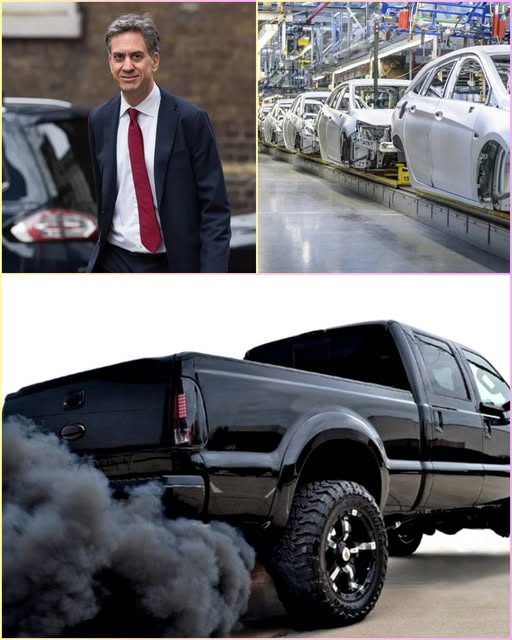
Westminster has been thrown into fresh debate after a major vehicle manufacturer confirmed plans to reintroduce diesel-powered models to its UK line-up, arguing that strong demand from everyday drivers can no longer be overlooked.
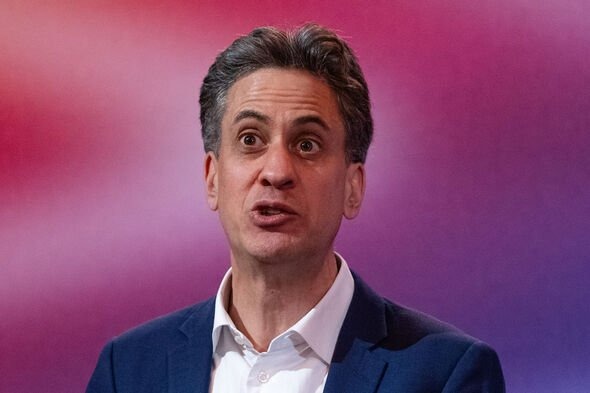
The unexpected announcement comes at a time when Britain is seeking to accelerate its transition toward cleaner transport and meet long-term environmental targets. While the company insists the decision reflects real-world conditions faced by motorists, critics say the move could complicate efforts to reduce transport-related emissions.
According to the manufacturer, the return of diesel vehicles is driven by feedback from customers who rely heavily on their cars for work, long-distance travel and rural mobility. Company executives said that, despite the rapid growth of electric vehicles, many drivers remain concerned about charging infrastructure, vehicle range and the higher upfront costs of battery-powered cars.
In a statement, the firm said its latest diesel engines would meet the most up-to-date emissions standards and deliver significantly lower levels of pollutants than earlier generations.
“We recognise the direction of national policy and remain committed to a long-term transition to electrification,” a company spokesperson said. “However, many motorists still require reliable, affordable and practical transport solutions today. For some customers, modern diesel technology remains the most suitable option.”
The announcement quickly triggered a response in political circles. Allies of Energy and Climate Change Secretary Ed Miliband expressed concern that the reintroduction of diesel models could weaken public confidence in the government’s clean transport strategy.
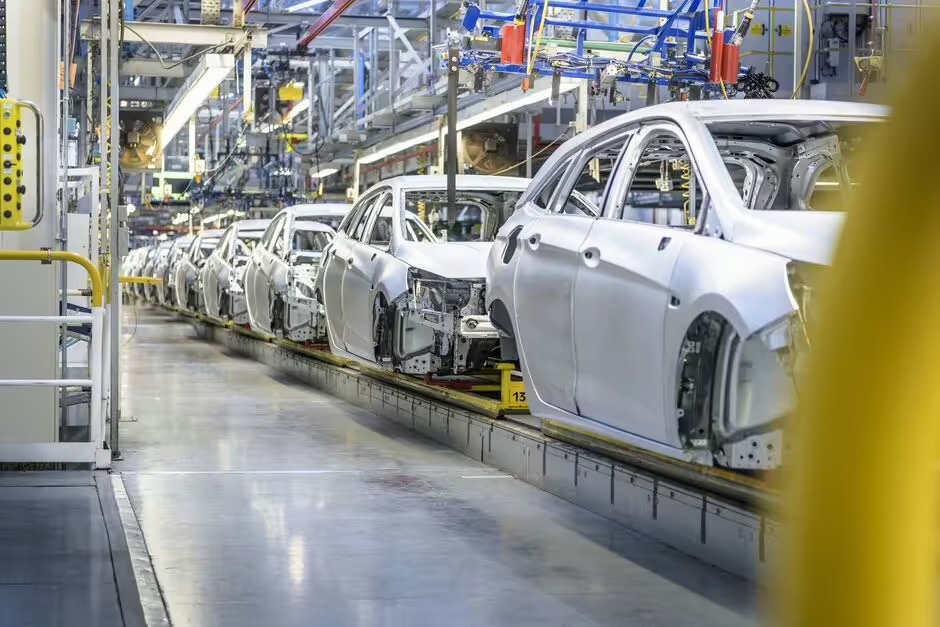
Several figures close to the government’s environmental programme stressed that road transport remains one of the largest contributors to the UK’s overall carbon footprint. They warned that mixed signals from major manufacturers could slow the pace of change and create uncertainty for consumers considering a switch to electric vehicles.
“The transition to cleaner transport depends not only on government action but also on industry leadership,” one senior source said. “If companies appear to step back from that direction, it becomes harder to encourage people to invest in new technology.”
At the heart of the debate is a growing gap between long-term policy goals and short-term realities for drivers. While electric car sales have risen sharply in recent years, industry data shows that uptake remains uneven across the country. Urban areas with strong charging networks continue to lead adoption, while rural and semi-rural regions lag behind.
Motoring groups argue that for many households, electric vehicles are still out of reach. Rising living costs, limited home charging options and concerns over resale values remain major obstacles.