Before Dawn in Miami: A Coordinated Strike Against MS-13
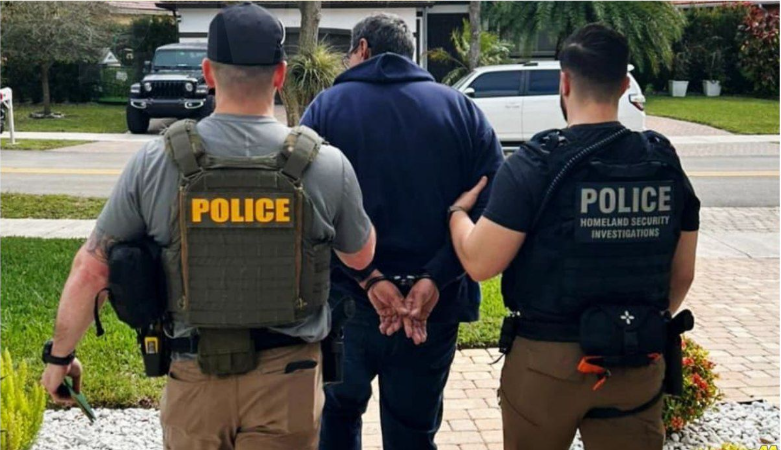
Before sunrise, the streets of Miami seemed to hold their breath. In the quiet blue hours just before dawn, federal agents moved with deliberate precision through residential neighborhoods and commercial corridors. Armored vehicles sealed intersections. Tactical teams advanced methodically. Overhead, helicopters traced slow circles across the fading night sky. The operation was swift, disciplined, and carefully synchronized — a visible display of planning that had long been unfolding behind closed doors.
According to officials, the coordinated action targeted high-ranking figures connected to MS-13, a transnational gang known for organized criminal activity across multiple regions. Authorities stated that the effort was the culmination of months — possibly years — of intelligence gathering. Surveillance operations, financial tracking, and digital monitoring reportedly played central roles. The objective was not only to apprehend individuals but to disrupt leadership structures and sever operational channels believed to sustain broader networks.
Agencies including the Federal Bureau of Investigation and U.S. Immigration and Customs Enforcement collaborated closely throughout the investigation. Officials described intercepted encrypted communications, coordinated property searches, and the seizure of materials tied to alleged criminal enterprise. By the time the first light touched the skyline, several suspects had reportedly been taken into custody, and multiple locations secured for further examination.

For residents, the sight was both startling and reassuring. The realization that organized criminal hierarchies might operate quietly within familiar neighborhoods can be deeply unsettling. Yet the visible presence of coordinated law enforcement also conveyed a message of accountability. Community members watched from windows and doorways as flashing lights reflected off storefront glass, signaling that even complex criminal structures can be confronted through sustained institutional effort.
Experts caution, however, that dismantling leadership does not automatically dissolve influence. Transnational gangs often adapt quickly, replacing detained figures and shifting operational strategies. Long-term impact requires more than arrests. It depends on careful prosecution, continued intelligence work, and community-based prevention programs designed to protect vulnerable youth from recruitment. Sustainable progress demands cooperation between federal agencies, local authorities, and civic organizations.
As the sun rose over Miami’s coastline, the city felt subtly changed. Morning commuters returned to their routines, but the memory of armored vehicles and circling helicopters lingered. Beneath the surface of any city, forces of harm and protection exist side by side. Sometimes, before the world fully wakes, decisive actions unfold that alter the trajectory of neighborhoods and networks alike. Whether this operation marks a lasting turning point remains to be seen — but for a few quiet hours before dawn, history moved with deliberate steps through the streets of Miami.