“I Can’t Take This With Me”: Mel Gibson Reflects on The Passion of the Christ
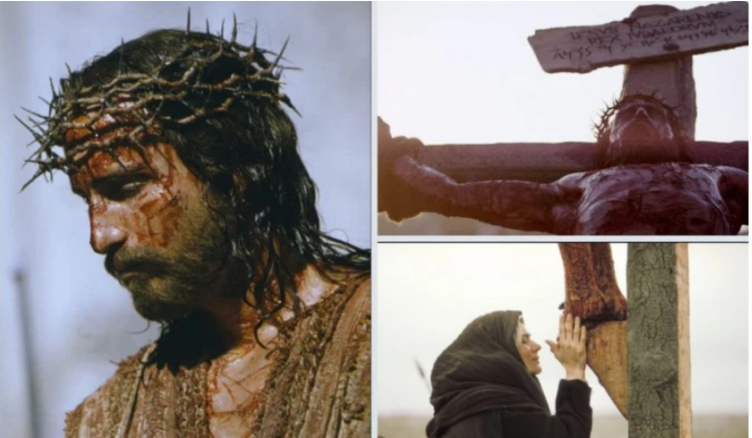
For years, Mel Gibson remained steady whenever questions circled around The Passion of the Christ. In interviews, his tone was calm, sometimes guarded, always deliberate. He spoke about faith, about artistic conviction, about the risks of telling a story so sacred to millions. He addressed controversy and box office success with the same measured composure. Yet there was always a sense that parts of the story — the parts behind the curtain — remained unspoken.
Now, with time lending perspective, his voice appears softer. Not defensive. Not dramatic. Simply reflective. He suggests that the true weight of the film was never about revenue or headlines, but about the unseen struggles that unfolded when cameras stopped rolling. The physical demands of production were immense. The emotional atmosphere on set, he hints, often felt heavier than anyone anticipated. What audiences witnessed on screen was only a fraction of what the project required from those who created it.
According to Gibson, there were pressures few outsiders understood — quiet meetings, financial uncertainties, moments when the production nearly faltered. Some scenes, he implies, carried an intensity that transcended performance. A handful were modified privately. Others were set aside altogether. Not purely for artistic reasons, but because they unsettled even those deeply committed to the film’s message. The story being told was ancient, but the emotional impact felt immediate and personal.
“Certain moments don’t leave you,” he says gently. Those close to the project describe long nights filled with doubt and unexpected consequences. The scale of public reaction — both praise and criticism — created a climate few involved were fully prepared to navigate. For Gibson, one particular moment during production, never fully detailed in public, seems to linger most persistently. He does not dramatize it. He simply acknowledges that it follows him, like a quiet shadow cast long after the light has shifted.
Why speak more openly now? Perhaps because time changes the way stories sit within us. Experiences once carried with resolve can grow heavier in silence. Reflection has a way of reshaping memory, clarifying what truly mattered beneath the noise of public debate. Gibson does not present revelations for shock value. Instead, his tone suggests something more human — an acknowledgment that even convictions held firmly can come with personal cost.
He does not provide every detail, and perhaps he does not need to. The pauses between his words convey as much as any direct confession could. The film remains a landmark in religious cinema, but for its director, it also represents a chapter marked by strain, introspection, and enduring emotion. Some stories cannot be carried forever. And sometimes, releasing even part of their weight becomes an act not of controversy — but of quiet honesty.