Florida “Ghost Adoption” Claims Spark National Alarm — What Is Actually Known So Far
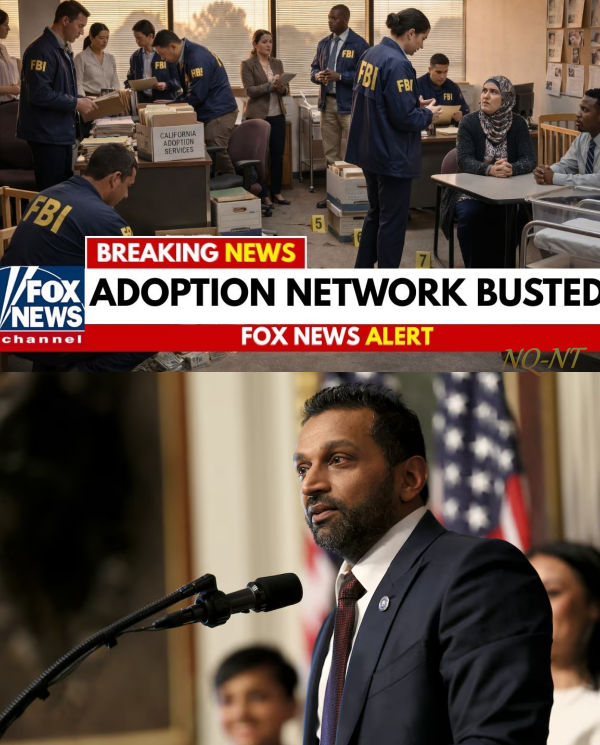
A dramatic headline is spreading rapidly online, claiming that the FBI and U.S. immigration authorities have uncovered a so-called “ghost adoption” network in Florida and that 68 babies are missing. The story has triggered widespread fear and intense public reaction, especially on social media platforms where short videos and links describe a fast-moving federal operation and an expanding investigation.
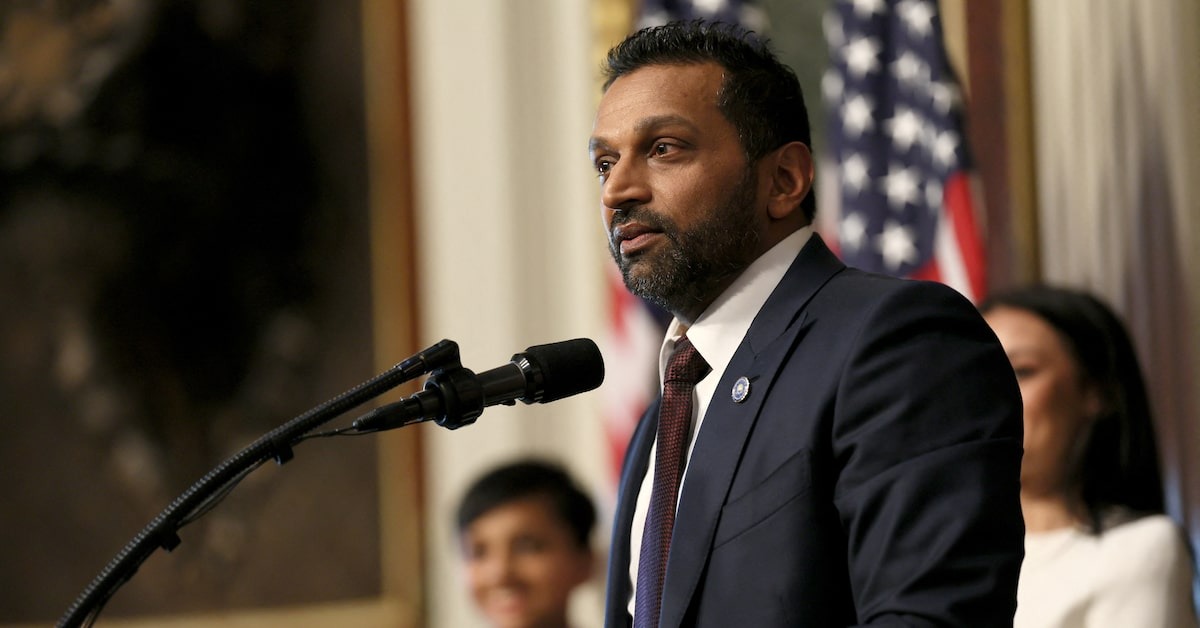
However, at this time, there is no confirmed public announcement from the FBI, ICE, or the U.S. Department of Homeland Security verifying the existence of a case officially labeled as a “ghost adoption” network involving 68 missing children.
Journalists and legal analysts caution that many of the circulating posts appear to combine real concerns about child welfare and immigration fraud with unverified claims and dramatic language that cannot be traced to reliable law-enforcement briefings or court records.
In U.S. law enforcement practice, large multi-agency operations involving children would normally be accompanied by court filings, press releases, or public statements from prosecutors. So far, no such documents have been made available confirming the figures or the specific operation described in viral reports.
That does not mean the issue itself is fictional.
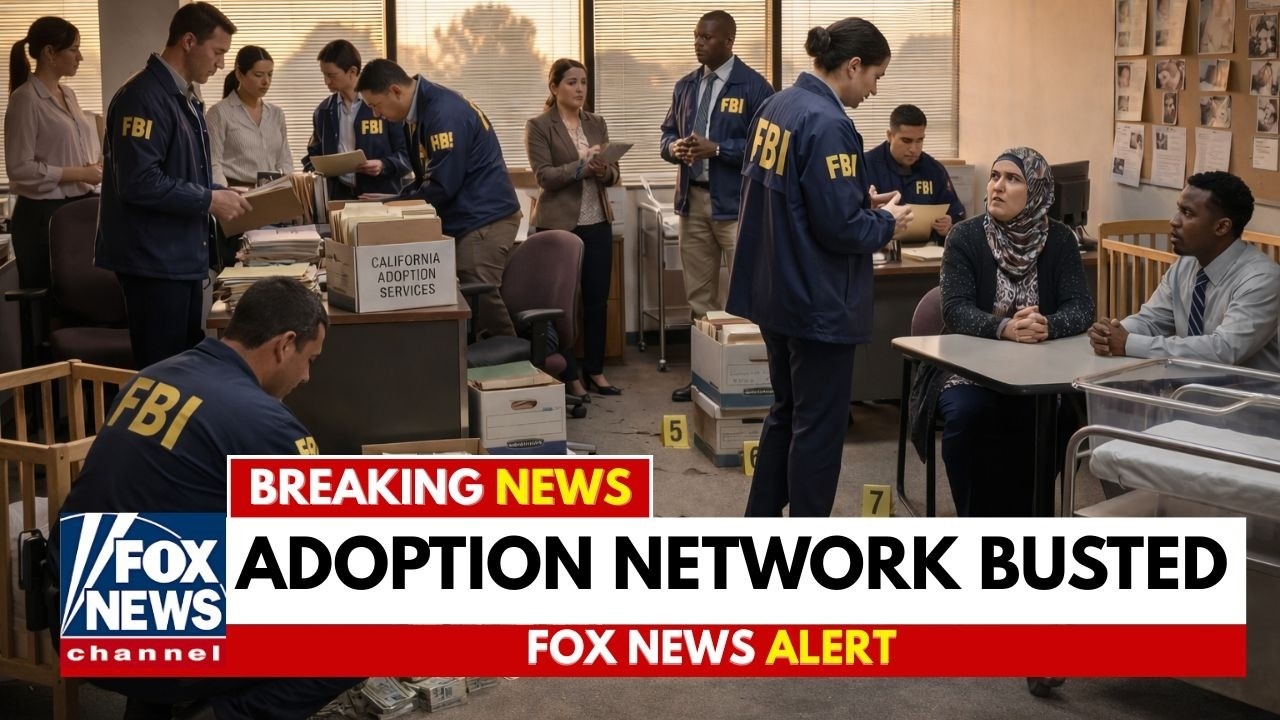
Experts stress that authorities across the United States do regularly investigate complex schemes involving fraudulent guardianship, falsified adoption paperwork, human trafficking, and exploitation of vulnerable families. These investigations often involve cooperation between federal agencies, state child-protection offices, and local police departments.
In several past cases, individuals have been charged for arranging illegal transfers of children using forged documents, misrepresentation of parental consent, or false claims of legal custody. In those investigations, children were sometimes temporarily unaccounted for while authorities worked to identify their legal guardians and place them safely.
What is being referred to online as “ghost adoption” is not a recognized legal or investigative term. It appears to be a phrase created for social media and headline impact rather than a formal classification used by U.S. authorities.
Specialists in child welfare law emphasize an important distinction:
a missing-child investigation is very different from a case involving disputed custody or fraudulent adoption records. Publicly labeling children as “missing” before confirmation can create unnecessary panic and may even complicate legitimate investigations.
Another point of concern raised by legal observers is the way some online reports describe alleged individuals connected to the case. Without verified charges, court documents, or named defendants, making claims about specific organizers or coordinators can be misleading and legally problematic.