✝️ Between Science and Faith: Reimagining the Face of Jesus
- TranThuy
- February 24, 2026
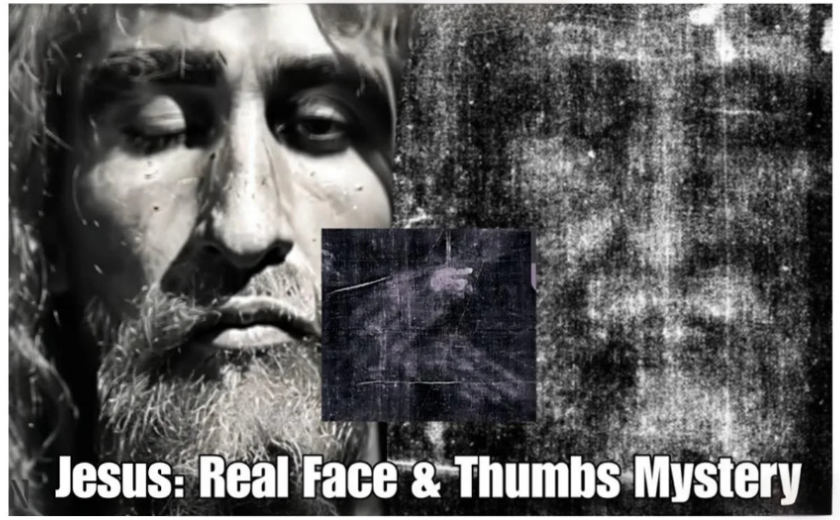
When a team of forensic experts unveiled a scientific reconstruction of Jesus Christ, the world responded with a mixture of awe, curiosity, and unease. Unlike the familiar images found in centuries of Western art—flowing hair, radiant halo, serene expression—this face was strikingly human. Created using ancient skull data from the region where Jesus once lived, combined with modern forensic technology, the reconstruction presented weathered skin, strong Middle Eastern features, and eyes that seemed deeply reflective. It was not a divine icon bathed in golden light, but a man shaped by sun, dust, and history.
The goal of the project was purely scientific: to approximate what a first-century Jewish man from Judea might have looked like. Forensic artists carefully layered muscle, skin tone, and facial structure onto a digital skull model. The result challenged long-standing artistic traditions that had often reflected European ideals rather than historical probability. For some viewers, the image felt refreshingly authentic—a reminder that Jesus lived in a real place and time. For others, it unsettled deeply rooted visual expectations formed over generations of paintings and sculptures.
Yet the most unexpected reaction did not concern the face itself. As observers studied the image more closely, they noticed something unusual about the reconstructed hands. The thumbs appeared incomplete, almost missing, though no clear explanation accompanied the final rendering. Social media erupted with speculation. Was it a simple technical anomaly in the digital process? A mistake overlooked during editing? Or was it an unintended symbolic detail that resonated with deeper theological meaning?
Suddenly, the discussion moved beyond physical appearance. The missing thumbs became a metaphor in their own right—a reminder of how fragile and incomplete historical reconstructions can be. Just as time erodes stone and parchment, it also obscures certainty. Every attempt to recreate the past involves interpretation, educated guesses, and human limitation. In that sense, the imperfect hands reflected the broader challenge of reconstructing any life from two thousand years ago, especially one so spiritually significant.
For believers, the reconstruction prompted reflection rather than doubt. Faith, after all, has never depended solely on physical description. The power of Jesus’ story lies in teachings of compassion, sacrifice, and hope. For skeptics, the image served as an example of how tradition evolves—how storytelling, art, and culture gradually shape collective memory. Across centuries, painters may have softened features, added symbolic light, or adapted appearances to resonate with their audiences. In doing so, they preserved meaning, even if historical accuracy shifted.
In the space between science and faith, mystery continues to linger. The reconstructed face—complete or incomplete—invites people to look deeper than surface details. It challenges us to ask not only what Jesus looked like, but how history, belief, and imagination intertwine. Perhaps the true significance of the project is not found in perfect anatomical precision, but in the conversations it inspires. Between data and devotion, between skepticism and trust, we are reminded that the stories we carry in our hearts often matter more than the images we see with our eyes.