⛪ Whispers Beneath the Dome: Tradition, Renewal, and the Heart of the Mass
- TranThuy
- February 24, 2026
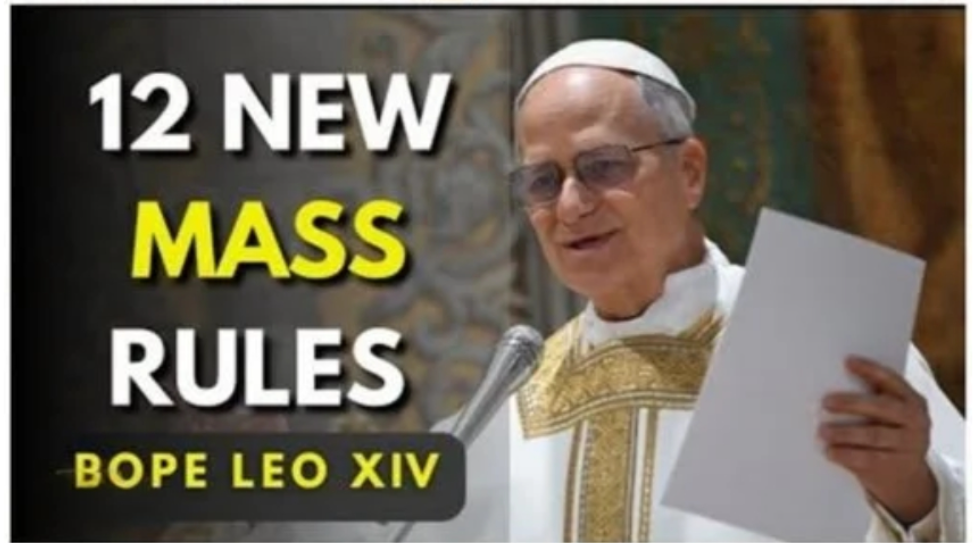
In a quiet chamber beneath the soaring dome of St. Peter’s Basilica, rumors speak of a historic moment unfolding. According to speculation circulating in some circles, a newly named pontiff—referred to by a few as “Pope Leo XIV”—is preparing sweeping reforms to the Catholic Mass. These alleged changes, described as twelve new rules, are said to call the faithful back to reverence, mystery, and sacred awe. The imagery is powerful: ancient marble, whispered prayers, and the sense that history itself is holding its breath.
Yet clarity is essential. As of now, the leader of the Catholic Church remains Pope Francis, and no official announcement confirms the existence of such a pontiff or these proposed reforms. The Vatican has released no declaration suggesting an overhaul of the liturgy under a new papal name. Still, the mere idea of renewal—whether rumor or hopeful imagination—has stirred deep emotion among the faithful. In matters of faith, even unconfirmed possibilities can awaken longing and reflection.
The Mass has always stood at the center of Catholic life. For centuries, it has carried the prayers, sorrows, and hopes of believers across cultures and continents. From grand cathedrals in Europe to humble chapels in remote villages, the Eucharistic celebration remains the spiritual heartbeat of the Church. Any suggestion of change—especially one framed as a return to deeper reverence—touches something intimate in Catholic identity. The liturgy is not merely ritual; it is memory, theology, and communal encounter woven together.
Throughout history, the Church has navigated the delicate balance between preserving tradition and embracing renewal. The reforms of the Second Vatican Council reshaped the liturgy for millions, encouraging active participation and the use of local languages. Some welcomed these changes as a breath of fresh air; others mourned what they perceived as a loss of sacred mystery. That tension between continuity and development has never fully disappeared. It resurfaces whenever questions arise about posture, language, music, or the atmosphere of worship.
If such “twelve rules” were ever to be proposed, they would likely spark passionate global discussion. Some Catholics yearn for a more solemn and contemplative liturgy, emphasizing silence, sacred music, and ritual precision. Others fear that strict regulations could distance communities from accessibility and pastoral warmth. The debate would not simply concern structure, but vision: how best to express timeless truth in a changing world. Beneath every argument lies a shared desire to honor what believers hold most sacred.
Whether rumor or future possibility, one truth remains constant: the Mass endures as the beating heart of Catholic faith. Every generation is called to rediscover its beauty with fresh devotion, not because it changes with trends, but because its mystery invites continual reflection. In the end, the whispers beneath the dome remind us that faith is both ancient and alive—rooted in centuries of tradition, yet always inviting renewal in the hearts of those who gather to pray.