🕊️🇺🇸 When Time Ran Out, a Town Refused to Look Away 🇺🇸🕊️
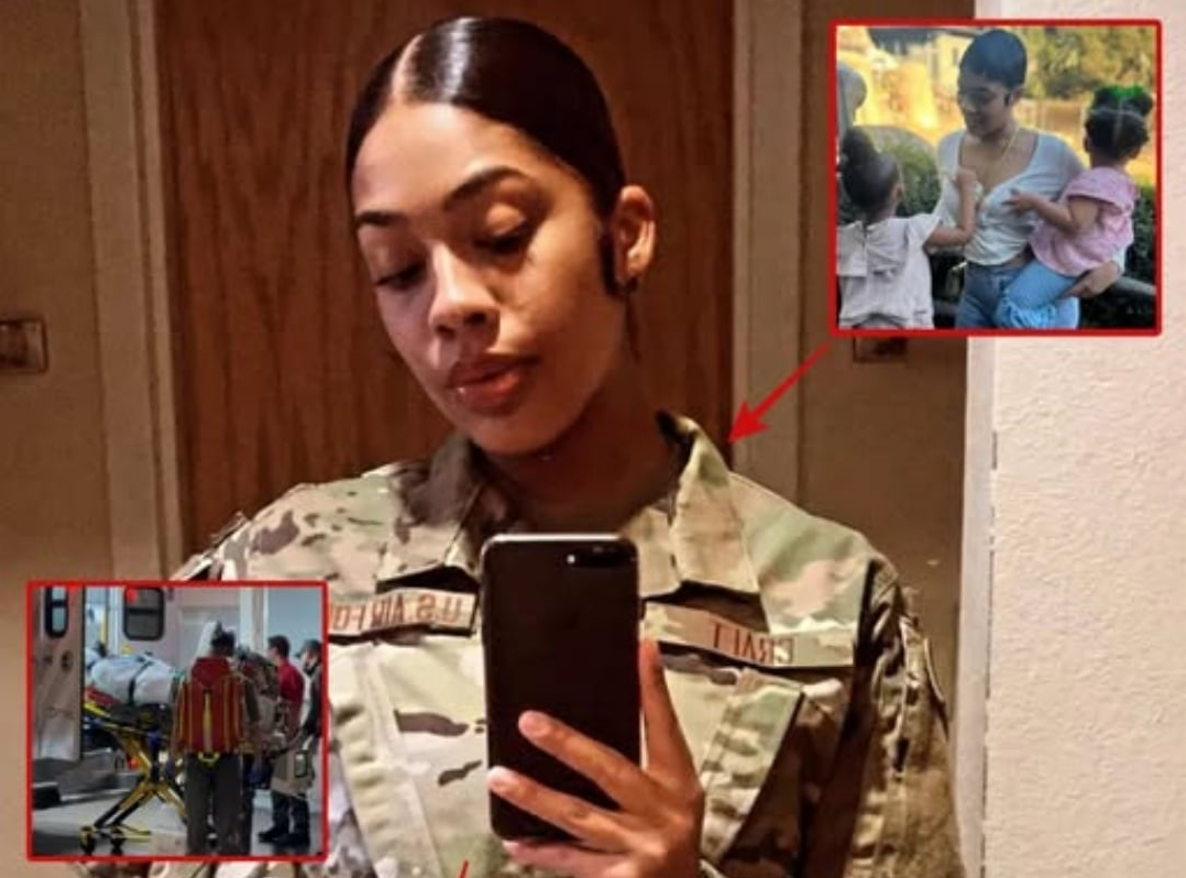
Savali had already served her country.
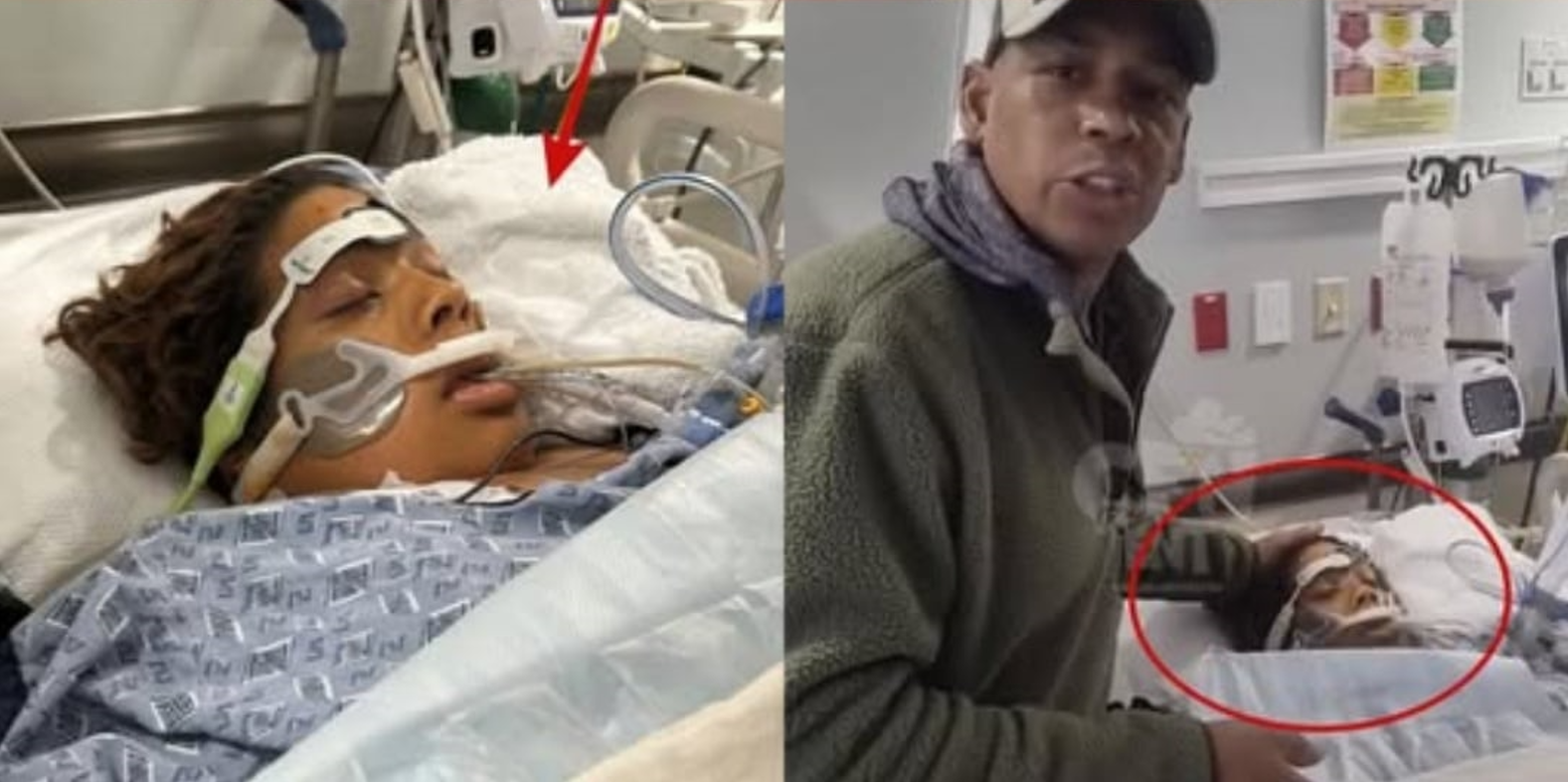
A United States Air Force veteran, a devoted mother of two, and a woman known for her quiet strength, she now lay motionless in a hospital bed — her life sustained by machines, her future measured in hours.
Doctors were clear: Savali needed an emergency transfer to Stanford Hospital.
Without it, she would not survive.
⏳ A Life Hanging on Paperwork
Her family waited for approval that never came.
Despite the urgency, the Department of Veterans Affairs denied coverage for the specialized transport — a decision that landed like a sentence, not just a policy.
Each passing minute tightened the grip of fear. Each unanswered plea felt colder than the last. For a woman who once answered every call of duty, bureaucracy now stood between her and life.
💔 When Systems Fail, People Step In
Word of Savali’s situation spread beyond hospital walls. It reached a small coastal town — a place with no authority, no budget lines, and no obligation… except compassion.
Neighbors rallied.Strangers donated.Voices rose where paperwork had stalled. They refused to accept that a veteran, a mother, a human being could be lost because help came with a price tag.
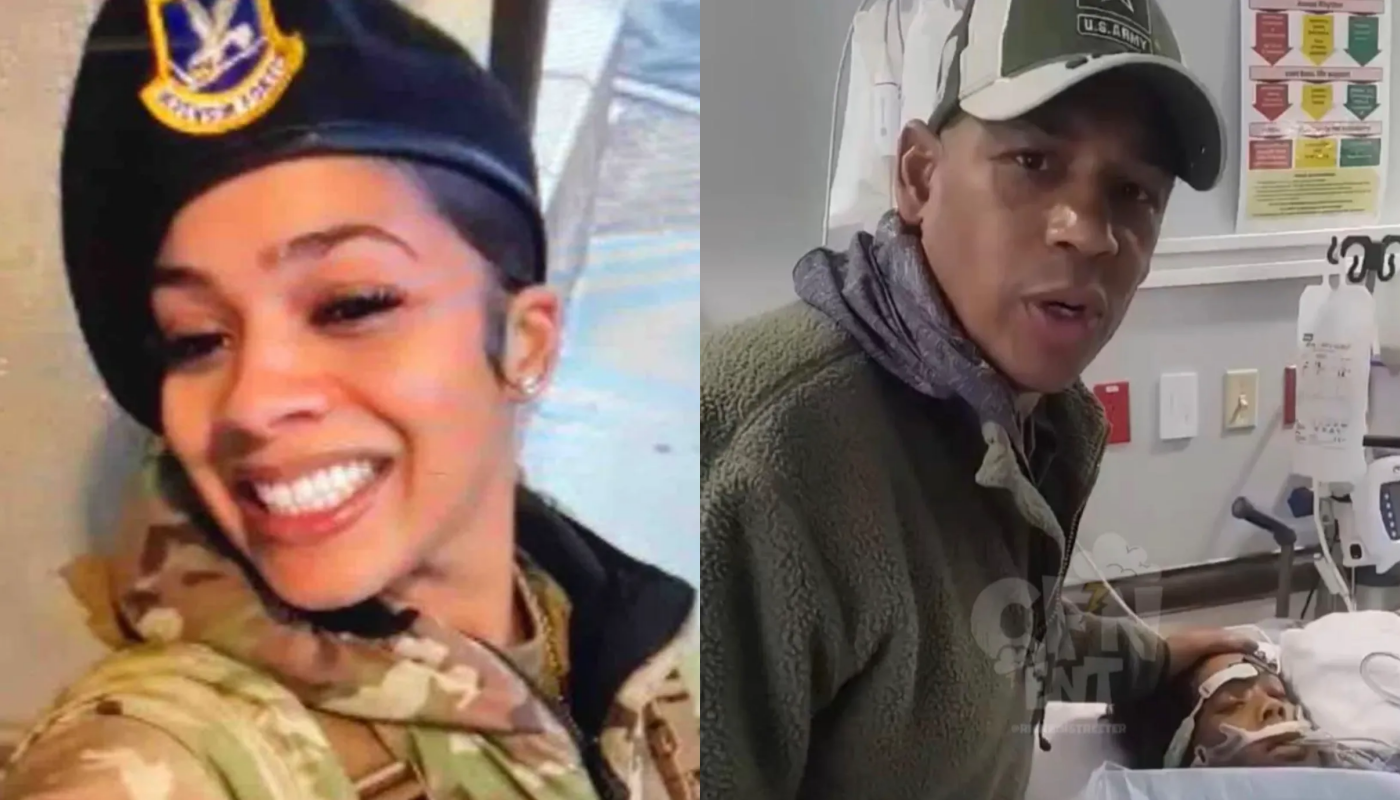
🌊 A Community vs. the Clock
What followed wasn’t just fundraising — it was resistance. Against indifference.Against delay.Against the idea that some lives are negotiable.
As the ventilator hummed and the clock kept moving, a town proved something powerful: when institutions hesitate, humanity doesn’t have to.
🇺🇸 More Than One Life at Stake
Savali’s fight became bigger than a single hospital transfer.
It became a question echoing far beyond her bedside: How many heroes survive war — only to be failed in peace?
Her story is still unfolding, but one truth is already clear: When hope was almost gone, it wasn’t policy that answered — it was people.