Echoes Behind Closed Doors: Rumors and the Legacy of Tupac Shakur
- TranThuy
- February 25, 2026
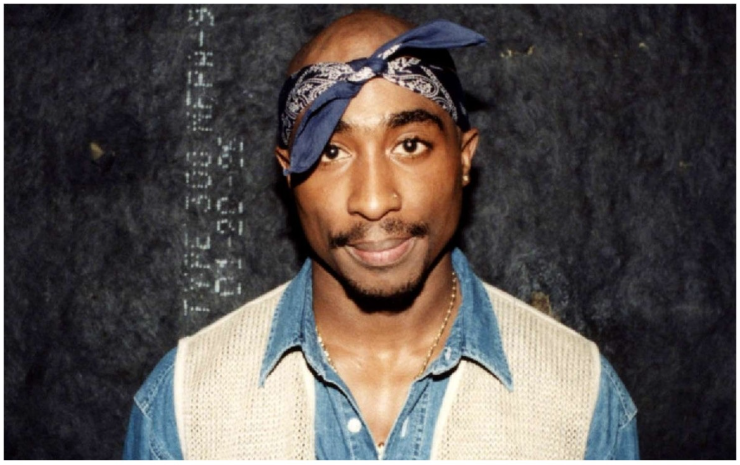
A storm of whispers has swept through hip-hop culture after rumors spread that police broke into a mansion long associated with Tupac Shakur. For fans who have carried his lyrics in their hearts for decades, the very idea feels electric — as if history itself were knocking loudly on a locked door. Social media platforms lit up almost instantly, filled with dramatic captions and speculative threads. The suggestion that something new connected to Tupac might surface has once again placed his name at the center of global conversation.
According to the online buzz, officers allegedly uncovered hidden rooms, forgotten recordings, and deeply personal artifacts. Some posts claim that unreleased tracks were discovered — raw, unfiltered verses that still carry Tupac’s unmistakable intensity. Others speak of journals, photographs, and fragments of a private life rarely seen by the public. If such discoveries were verified, they could potentially reshape public understanding of his final years, adding new dimensions to a legacy already layered with brilliance, controversy, and unanswered questions.
Yet as excitement builds, skepticism rises alongside it. Are these reports grounded in documented evidence, or is legend once again blending with longing? Tupac’s story has always existed at the intersection of truth and mythology. Since his tragic death in 1996, theories, alleged sightings, and speculative narratives have repeatedly surfaced, each reigniting public fascination. In the absence of confirmed statements from authorities or official documentation, it becomes difficult to separate credible information from imaginative storytelling.

The enduring power of Tupac’s legacy helps explain why such rumors spread so quickly. His music spoke of struggle, injustice, ambition, and vulnerability — themes that continue to resonate across generations. Albums like All Eyez on Me and Me Against the World remain cultural landmarks, shaping the sound and voice of hip-hop long after his passing. For devoted listeners, the possibility of hearing previously unreleased material feels like rediscovering a piece of living history.
At the same time, the emotional weight surrounding his life and death makes each rumor feel deeply personal. Fans are not merely reacting to celebrity gossip; they are responding to the memory of an artist whose words shaped their worldview. The idea of hidden recordings or private journals sparks hope for closure — or at least deeper understanding. But hope must be balanced with caution, especially when official verification has yet to confirm such dramatic claims.
And so the question lingers: if any part of this discovery proves real, what else might remain hidden within the shadows of history? Whether fact or folklore, one truth endures — Tupac Shakur’s presence still echoes through time. His voice, preserved in music and memory, continues to inspire debate, admiration, and reflection. Some legends fade quietly. Others, like his, remain too powerful to ever disappear.