Highways of Secrecy: The Overnight Sweep That Halted a Hidden Network

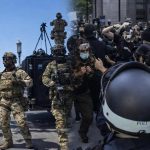
In a dramatic overnight operation, agents from the Federal Bureau of Investigation and U.S. Immigration and Customs Enforcement dismantled what authorities describe as a sprawling trucking network allegedly operating across multiple states. Before dawn, semi-trucks were stopped along major interstate corridors, their cargo doors opened under federal warrants. Inside several vehicles, investigators say they discovered approximately $95 million in cash, hidden weapons compartments, and documentation pointing to a far-reaching criminal enterprise concealed beneath the appearance of legitimate freight transport.
The coordinated sweep resulted in 83 arrests in a single, synchronized strike. Officials report that the operation followed months of surveillance involving route analysis, financial audits, and undercover intelligence. What outwardly appeared to be a standard regional trucking business allegedly functioned as a logistical backbone for illicit activity. Prosecutors claim the network relied on the vastness of America’s highway system to move goods discreetly, blending unlawful shipments into the steady flow of commercial cargo.
Investigators allege that sophisticated methods were used to avoid detection. Trucks reportedly followed rotating routes, used coded dispatch communications, and shifted loads between warehouses registered under shell companies. Financial records are said to reveal layered transactions designed to obscure the origins and destinations of funds. Authorities argue that this combination of mobility and financial complexity allowed the operation to remain under the radar for years.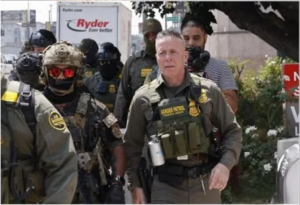
Law enforcement officials emphasize that dismantling the network required close collaboration between federal agencies and state partners. Digital evidence seized during the raids — including encrypted devices and electronic ledgers — is now under forensic examination. Analysts are working to trace the broader supply chain, determine whether additional facilitators were involved, and identify any international connections tied to the alleged enterprise.
Despite the scale of the arrests and asset seizures, authorities caution that the investigation is ongoing. Complex networks often extend beyond the individuals apprehended in initial operations. Officials are now assessing whether related businesses or financial intermediaries may have knowingly or unknowingly enabled parts of the scheme. The case highlights the challenge of policing industries that depend on speed, volume, and cross-border logistics.
As headlines spread nationwide, the crackdown has sent ripples through both the trucking industry and law enforcement circles. Beyond the dramatic imagery of halted semis and seized cash lies a broader question about oversight and accountability within critical infrastructure sectors. Whether this operation represents the complete dismantling of a hidden empire or merely the first layer uncovered remains to be seen. For now, investigators continue their work, determined to follow every route and financial trail to its ultimate destination.