Gathering Storm: Accountability and Allegations in Minnesota
- TranThuy
- February 25, 2026
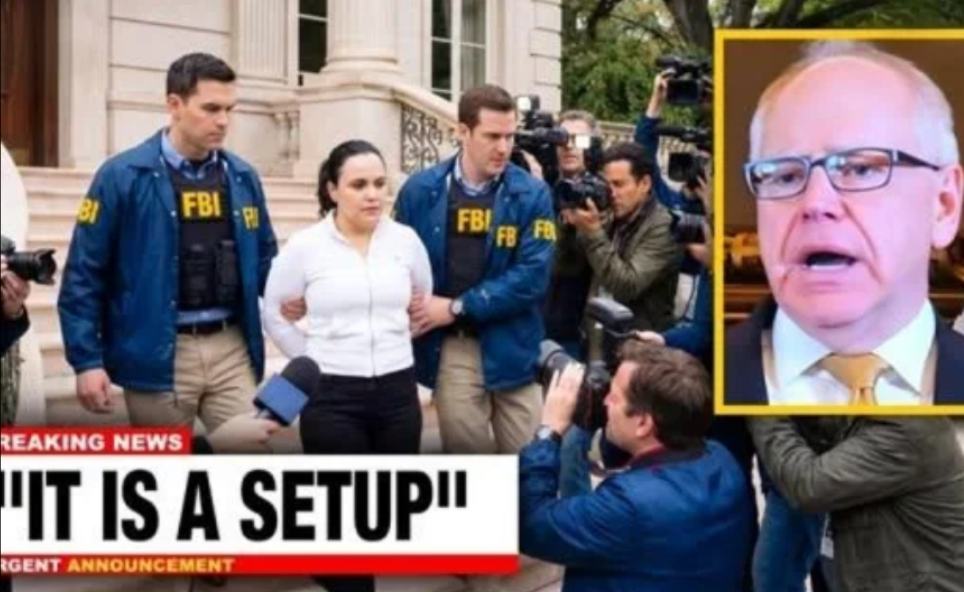
A political storm is intensifying in Minnesota as Tim Walz faces mounting scrutiny following the reported arrest of a state commissioner and allegations involving more than 830 so-called “ghost” nonprofits. What began as a routine financial audit has expanded into a federal investigation examining the oversight of millions of taxpayer dollars. The developments have sent ripples through the state capitol, drawing attention from lawmakers, watchdog groups, and residents alike.
According to preliminary court filings, investigators are reviewing documentation tied to nonprofit entities that allegedly received public funds despite limited evidence of active operations. Missing reports, irregular grant paperwork, and whistleblower complaints have fueled concerns about potential mismanagement or fraud. Authorities have not yet detailed the full scope of the alleged wrongdoing, but prosecutors indicate that financial records and internal communications are central to the inquiry.
The controversy has placed Governor Walz under significant political pressure, though officials emphasize that investigations are ongoing and that conclusions should not be drawn prematurely. Supporters of the governor argue that audits and investigations are part of responsible governance and that transparency ultimately strengthens public institutions. Critics, however, question whether earlier warning signs were overlooked or dismissed, and whether stronger oversight mechanisms should have been implemented sooner.
Whistleblowers claim that concerns about certain nonprofit contracts were raised months before the federal probe intensified. Lawmakers are now examining whether administrative safeguards functioned as intended. Congressional hearings are reportedly on the horizon, and insiders are said to be cooperating with investigators. As new documents surface, the narrative continues to evolve, keeping the public’s attention firmly fixed on the unfolding case.
Legal analysts note that complex nonprofit funding systems can create vulnerabilities if accountability measures are weak or inconsistently enforced. The central question may not only be whether funds were misused, but also how oversight frameworks responded once irregularities emerged. Determining intent—whether bureaucratic failure or deliberate misconduct—will likely become a focal point of upcoming hearings and court proceedings.
As the spotlight grows brighter, Minnesota’s political landscape may face lasting consequences. Trust in public institutions depends on transparency and accountability, and the outcome of this investigation could influence policy reforms and electoral dynamics in the months ahead. For now, residents await clearer answers, aware that what began as a routine audit has become a defining test of governance and public confidence in the state.