Minnesota at a Crossroads: Enforcement, Accountability, and the Fentanyl Crisis
- TranThuy
- February 25, 2026
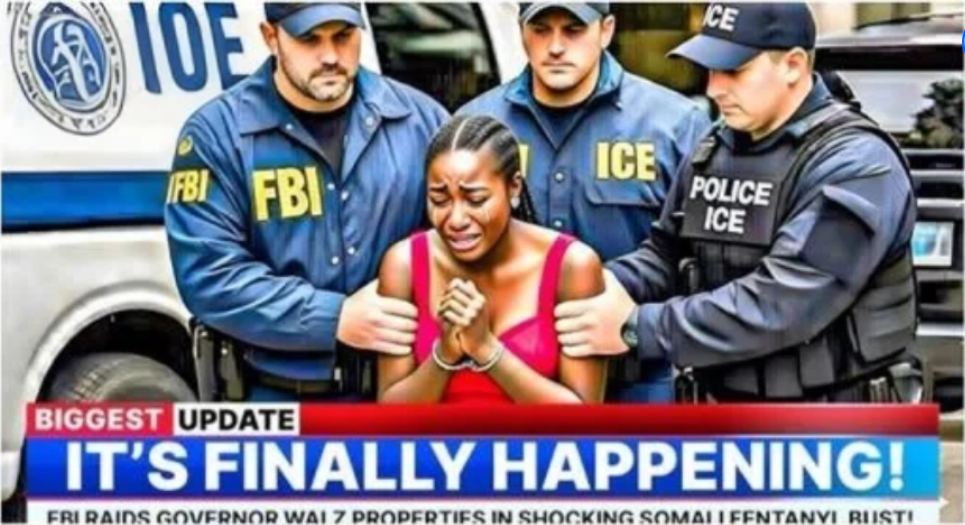
A political storm is swirling across Minnesota after federal authorities announced what they describe as the largest fentanyl bust in the state’s history. More than 3,000 arrests marked the opening phase of a sweeping crackdown targeting a network investigators say had embedded itself deeply within vulnerable communities. Law enforcement officials report that the scale of the seizures—both in narcotics and related assets—reflects years of expansion by traffickers who quietly extended their reach while addiction and overdose rates climbed.
According to statements from the Federal Bureau of Investigation and the Drug Enforcement Administration, traffickers allegedly exploited oversight gaps and jurisdictional complexities to move fentanyl across city and state lines. Authorities claim that distribution channels were carefully segmented, allowing suppliers, couriers, and financiers to operate within insulated layers. The arrests, officials say, were the result of months of coordinated surveillance, digital tracking, and intelligence-sharing among federal and local partners.
Investigators assert that the enforcement surge was driven by urgency as overdose statistics revealed the human toll of synthetic opioids. Large quantities of fentanyl pills and powder were reportedly seized, along with firearms, cash, and encrypted devices. Each piece of evidence, authorities argue, revealed how extensively the alleged pipeline had spread through neighborhoods already facing economic and social challenges. Officials describe the operation as both a law enforcement milestone and a public safety intervention.
Yet beyond the statistics lies controversy. Questions have emerged about whether state leadership, including Tim Walz, adequately supported earlier phases of enforcement or whether policy differences complicated coordination. Supporters of the crackdown call it necessary and overdue, emphasizing that aggressive action was required to curb escalating harm. Critics, however, caution against politicizing a public health crisis and warn that finger-pointing could distract from long-term prevention and treatment strategies.
Policy analysts note that confronting fentanyl requires more than arrests alone. While dismantling trafficking networks can disrupt supply chains, sustainable progress often depends on a comprehensive approach that includes treatment access, education, and community outreach. The debate unfolding in Minnesota reflects a broader national conversation about how to balance enforcement with prevention, and how to ensure accountability without undermining collaborative efforts.
As investigations continue and court proceedings begin, Minnesota finds itself at a pivotal moment. What authorities uncovered may reshape the state’s strategy for addressing the fentanyl crisis, influencing legislation, funding priorities, and interagency cooperation. The numbers are staggering, the emotions intense, and the political stakes high. One thing is certain: this chapter is still being written, and its outcome may leave a lasting imprint on both public policy and public trust.