SHOCKING TRUTH EXPOSED: Minneapolis Raids Turn VIOLENT — Two Deadly Shootings Ignite a National Firestorm
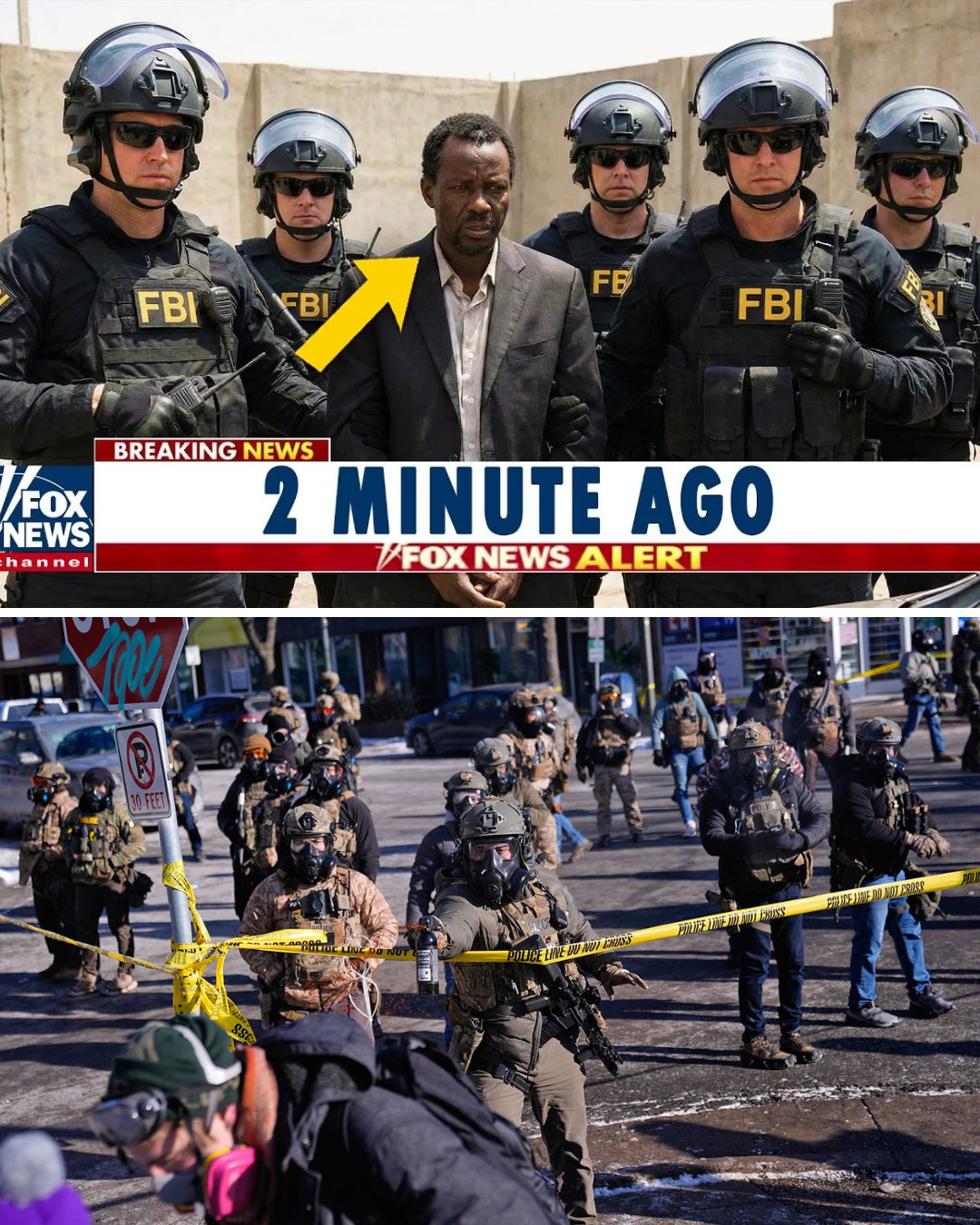
MINNEAPOLIS — A month of intensified federal immigration enforcement in Minnesota has spiraled into a national controversy after two fatal shootings involving federal officers, a wave of protests, and mounting legal demands for transparency from local and state officials.
The flashpoint was the launch of “Operation Metro Surge,” a large-scale enforcement campaign that began in December 2025 and brought hundreds of federal personnel into Minneapolis, according to accounts from local officials and national reporting. Federal agencies have argued the operation was aimed at immigration violations and related criminal activity, while critics say the tactics have resembled militarized policing and have eroded community trust.
Two shootings, two narratives
The first killing cited in local coverage occurred on January 7, when Renée Nicole Good, 37, was shot during an enforcement encounter. Federal authorities said the officer fired in self-defense as her vehicle moved toward officers; local leaders and eyewitnesses disputed aspects of that account, sharpening calls for independent review.
A second fatal incident followed on January 24, when Alex Pretti, 37, an ICU nurse, was shot and killed during an immigration-related action. Authorities claimed he resisted and attempted to disarm an officer, but local officials and community monitors pointed to video and witness accounts that raised questions about the circumstances and whether lethal force was justified.
The two deaths have reverberated beyond Minnesota. A Washington Post–ABC News–Ipsos poll found rising public concern about the administration’s deportation tactics, with a majority saying the campaign has gone too far and broad support for requiring judicial warrants for entry into homes—sentiments that intensified after the Minneapolis shootings.
Investigations and a jurisdictional tug-of-war
Local officials say the accountability process has been complicated by questions over evidence access and investigative control. In the Good case, local reporting described tensions after federal authorities assumed a lead role in the inquiry, frustrating state-level efforts to independently examine evidence and interview witnesses.
At the federal level, scrutiny has increased on Capitol Hill. The Los Angeles Times reported that immigration and border officials faced sharp questioning in an oversight hearing focused on the Minneapolis deaths and the broader conduct of enforcement operations.
International attention has also landed on the city. UN human rights experts warned that the use of lethal force in Minneapolis “may amount to” an arbitrary deprivation of life and urged credible, transparent investigations.
Protests, lawsuits, and a city on edge
In Minneapolis, demonstrations have surged—sometimes in the hundreds and thousands—driven by demands for transparency, withdrawal of federal tactical teams from residential neighborhoods, and clearer limits on use-of-force during civil immigration operations. Civil liberties groups have filed complaints alleging due process violations and excessive force, while local prosecutors have sought access to federal materials such as body-camera footage and communications logs.
The pressure has also spilled into civic life. Community vigils and benefit efforts have drawn large crowds; one high-profile Minneapolis event raised more than $600,000 for families affected by ICE actions, underscoring how quickly enforcement operations have translated into local trauma—and local organizing.
A broader debate over immigration enforcement in cities
The Minneapolis conflict has become a proxy fight for a larger national question: how far federal immigration authorities should go inside major U.S. cities, and what oversight mechanisms should apply when civil enforcement resembles paramilitary policing. Supporters of the crackdown argue decisive enforcement is necessary; opponents counter that aggressive tactics have escalated danger, chilled cooperation with law enforcement, and blurred the line between immigration enforcement and battlefield posture.
For Minneapolis residents, the debate is less abstract. It is measured in street closures, school-area arrests reported by community members, the fear that routine encounters could turn violent, and the unresolved grief of two deaths that now sit at the center of the country’s immigration argument.