Echoes in the Courthouse: An Investigation That Shook Georgia
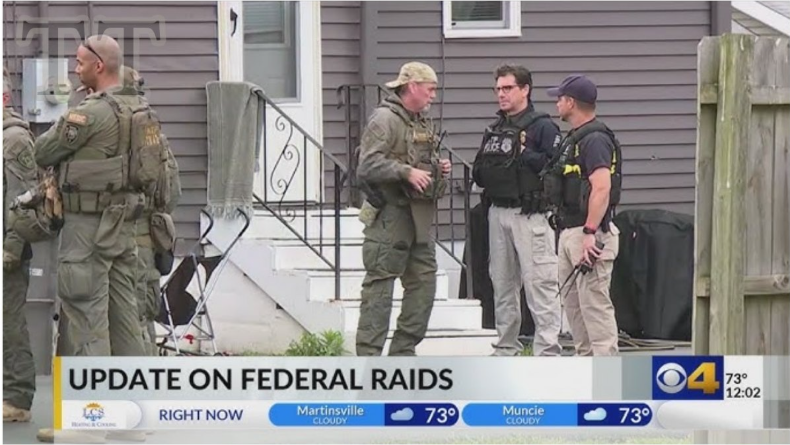
In a quiet courthouse in Georgia, the morning began like any other. Clerks sorted files, lawyers reviewed dockets, and the steady rhythm of justice echoed softly through polished hallways. Sunlight filtered through tall windows, illuminating shelves of legal volumes that symbolized order and accountability. Then came an unexpected knock — and agents from the Federal Bureau of Investigation stepped through the doors carrying a warrant. In an instant, the ordinary routine fractured into stunned silence.
Whispers replaced paperwork. Conversations that once revolved around case law shifted to urgent speculation. Chambers that symbolized authority and public trust suddenly felt heavy with uncertainty. Investigators, according to early reports, were not examining a single mistake or isolated decision. Instead, they were tracing what sources described as a complex pipeline — not hidden in alleyways or underground tunnels, but allegedly embedded within documentation, procedural gaps, and sealed court filings. The very mechanisms meant to protect due process were now under scrutiny.
Authorities believe that nearly two tons of narcotics may have slipped through oversight gaps, shielded by motions and judicial protections few outside the legal world would ever think to question. The allegation alone was staggering. Court systems are designed to uphold the law, not provide cover for circumventing it. If paperwork and legal procedures were manipulated to move contraband undetected, the implications would stretch far beyond one courthouse.

Questions quickly multiplied. How could such an operation intersect with the court itself? Who might have known — or benefited? Officials remained cautious and largely tight-lipped, citing the integrity of an ongoing federal investigation. Key documents were sealed, and public statements offered little more than confirmation that inquiries were active. Insiders warned that what had surfaced so far might represent only a fraction of a much broader pattern.
Legal experts across the state began discussing systemic vulnerabilities. Every institution, no matter how respected, relies on human integrity to function properly. When loopholes exist, they can be exploited by those who understand the system intimately. The investigation, therefore, was not merely about alleged criminal movement of narcotics; it was about identifying whether safeguards had failed — and if so, how deeply those failures ran.
If even part of what federal agents suspect proves true, the story transcends contraband. It becomes a question of trust, power, and the fragile belief that justice stands above corruption. Courthouses are built not only of stone and statutes, but of public confidence. When that confidence trembles, the echo can shake more than a single courtroom — it can reverberate through the conscience of an entire system, reminding society how essential vigilance and transparency truly are.