Before Dawn: The Minnesota Raid That Shook Public Trust
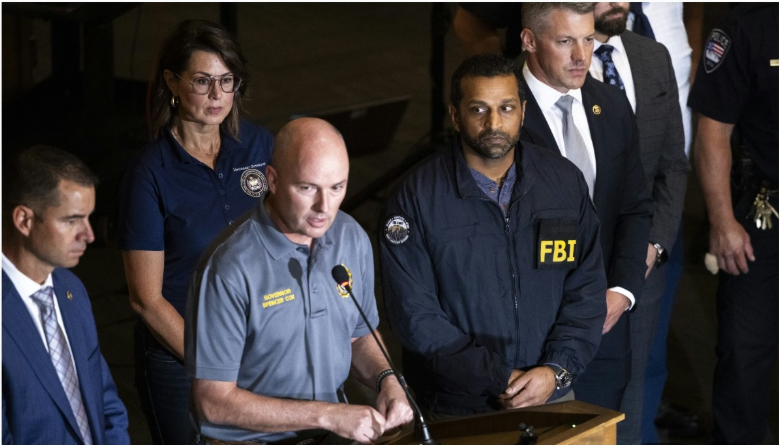
At 4:22 a.m., beneath the cold sky of Minnesota, silence was shattered by the synchronized movement of 58 federal agents. Doors were breached in swift succession. Porch lights flickered on as stunned residents peered through curtains. In that single coordinated sweep, what authorities described as a six-year money-laundering empire began to unravel in real time. By sunrise, investigators suggested that the consequences of the operation would extend far beyond neighborhoods — reaching into the very foundations of institutional trust.
The operation was led jointly by U.S. Immigration and Customs Enforcement and the Federal Bureau of Investigation. According to officials, investigators had traced billions of dollars flowing through a maze of shell companies, offshore trusts, and carefully structured real estate transactions. Funds allegedly moved in complex cycles — layered, transferred, and concealed across jurisdictions — making the money appear almost invisible. On paper, everything seemed legitimate; beneath the surface, authorities claim, the structure was designed to avoid scrutiny.
At the center of the allegations stood Ibrahim Mohamed Farah, a Somali-origin judge accused of shielding traffickers and manipulating court proceedings while vast sums reportedly passed through hidden financial channels. The accusation struck at the heart of the justice system. A judicial bench, long regarded as a symbol of fairness and impartiality, now became the focal point of suspicion. If proven true, the betrayal would not merely represent personal corruption but a breach of public confidence in the rule of law.

Across 19 locations in seven counties, agents reportedly seized stacks of cash, fentanyl, firearms, gold bars, and encrypted digital records. Each item cataloged added another layer to what prosecutors described as a deeply embedded network. Investigators suggested the operation was constructed with precision — layered protections, coded communications, and financial pathways intentionally routed through jurisdictions known for limited transparency. The design appeared almost engineered to remain undetected indefinitely.
Although juries later delivered convictions on all counts, officials cautioned that the broader investigation may not yet be complete. Offshore financial ties remain difficult to trace, and certain digital records require advanced forensic analysis. Financial trails often stretch into distant legal territories, where cooperation can be slow and complex. Authorities acknowledge that dismantling such networks requires patience, persistence, and international coordination.
The case raises unsettling questions. How deep did the corruption truly extend? Could others still be hiding in plain sight within institutions meant to guard the law? While a single morning raid exposed part of the network, systemic vulnerabilities may take years to fully understand. In the end, this story is not solely about illicit funds or criminal charges — it is about trust. When the guardians of justice fall under suspicion, the echo resonates far beyond a courtroom, reminding society that transparency and vigilance remain essential to preserving the integrity of any system.