January 13, 1996 — The Girl Who Changed the System

On an ordinary winter afternoon in Arlington, nine-year-old Amber Hagerman rode her bike near her grandparents’ home.
Before she left, she turned to her mother and said something simple. Something routine.
“Okay, Mommy, I love you.”
Minutes later, a man in a black pickup truck pulled up.
He grabbed her.
He drove away.
The search that followed was urgent and desperate. Volunteers canvassed neighborhoods. Police worked around the clock. The community held its breath.
Four days later, Amber was found. Her murder stunned the nation. Despite investigations, leads, and years of review, her killer has never been identified.
But Amber’s story did not disappear into silence.
Her mother, Donna Williams, refused to let the system remain unchanged. She asked a question that would echo far beyond Texas: Why wasn’t the public alerted immediately when a child was abducted?
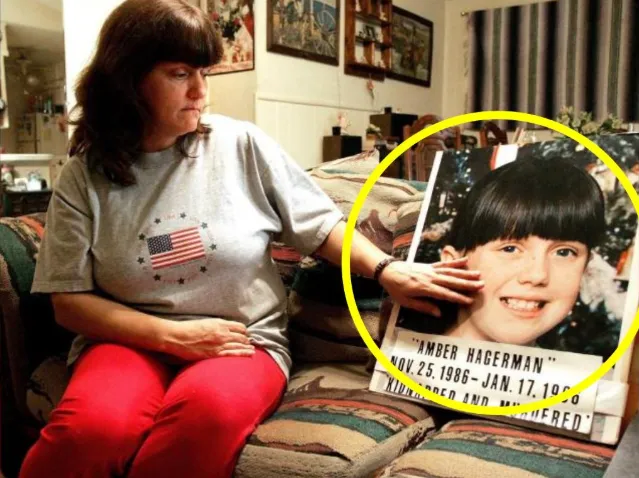
That question led to the creation of the AMBER Alert — named in Amber’s honor. What began as a local effort soon expanded nationwide, transforming how law enforcement and communities respond to child abductions. Since its launch, the system has helped recover hundreds of missing children, turning tragedy into protection for others.

Yet nearly three decades later, one question remains painfully unresolved:
Who took Amber?
Advances in forensic science, DNA analysis, and digital investigative tools continue to evolve. Cold cases once thought unsolvable have been reopened with new technology. Some families have finally received answers after decades of waiting.
Will Amber’s case be one of them?
Or will it remain one of the most heartbreaking unanswered mysteries in modern American history — a case that changed everything, except the one truth her family still seeks?