Nearly Three Decades Later — The Questions Haven’t Faded
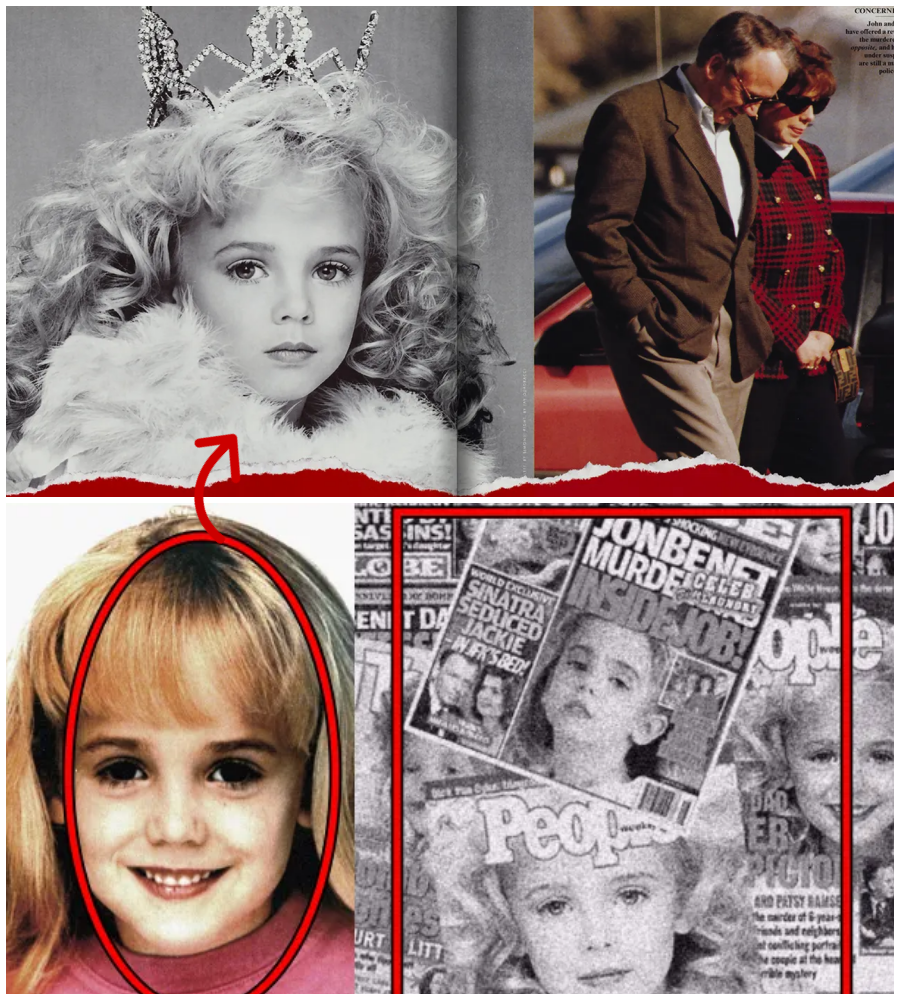
Almost 30 years after the death of JonBenét Ramsey in Boulder, the case continues to divide investigators, analysts, and the public.
From the beginning, theories split in different directions. Many focused on the possibility of an intruder. Others pointed to inconsistencies within the home itself.
The forensic details remain at the center of the debate.
JonBenét suffered a severe head injury prior to strangulation. The ligature device used in the crime was fashioned from items found inside the house. The lengthy ransom note was written on paper taken from within the home. And despite early assumptions, no definitive signs of forced entry were ever officially confirmed.
Those facts have fueled one persistent theory: that the scene may have been staged.

Over the years, experts have disagreed sharply — about the physical evidence, about the interpretation of the DNA, about the timeline. In 2008, officials announced that unidentified male DNA found on JonBenét’s clothing did not match her immediate family. For some, that reinforced the intruder theory. For others, questions remain about how that DNA was deposited and what it truly proves.
The result is a case suspended between competing narratives.

Was the truth always contained within those walls?
Were early investigative missteps the reason clarity never came?
Or is there still a missing piece — one that modern forensic technology has yet to unlock?
Time has passed.
The evidence remains.
The debate continues.
And the central question refuses to disappear:
Will the full truth ever come to light — or will this remain one of America’s most haunting and unresolved mysteries?