LINDSEY VONN REVEALS “CAR CRASH” OLYMPIC INJURY WAS 100X WORSE — MAY NEVER SKI AGAIN!
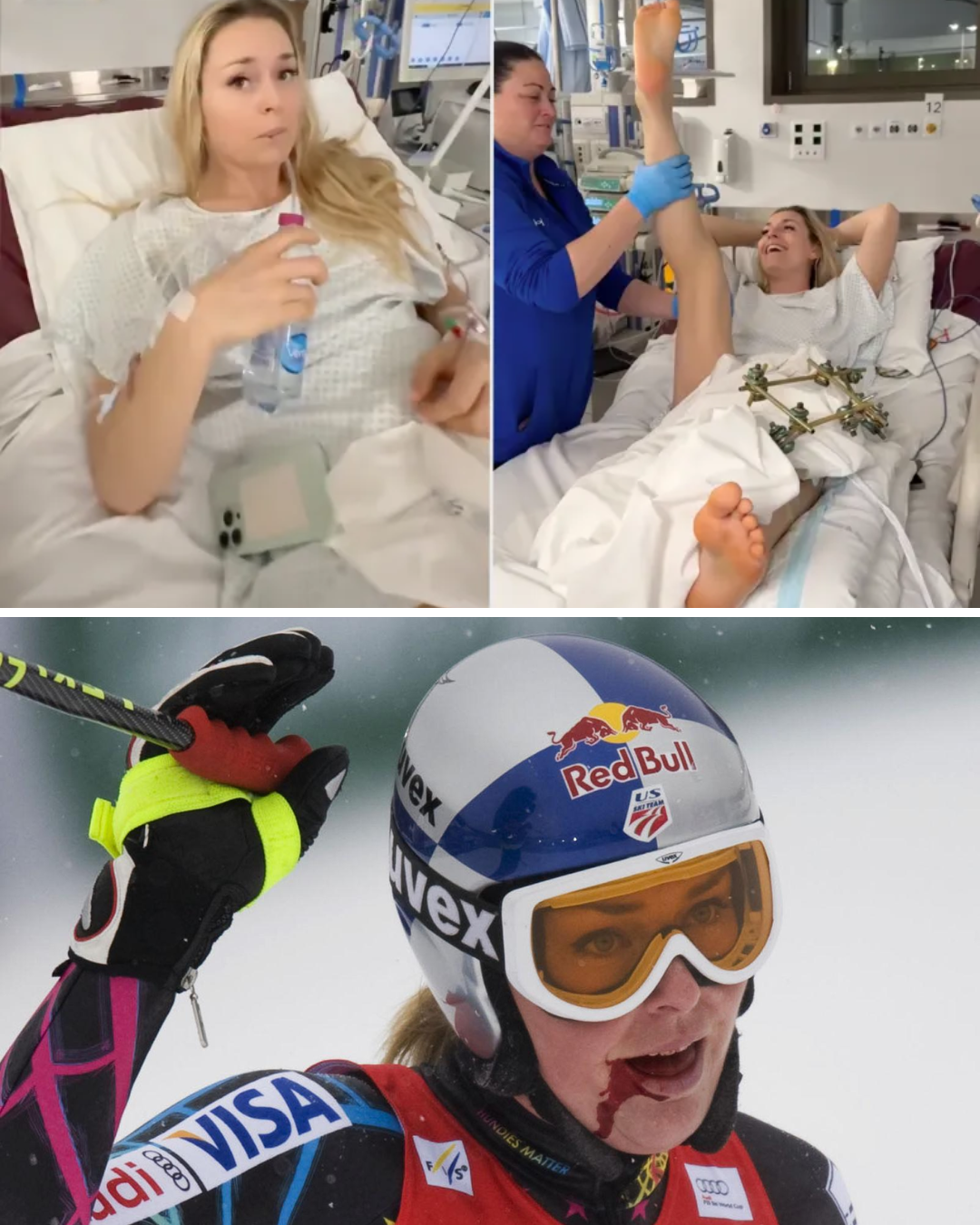
Olympic champion Lindsey Vonn has stunned fans with an emotional revelation about the true extent of a devastating leg injury she once compared to a “car crash.” In a candid reflection on her recovery journey, the decorated skier described the pain as “the most extreme of my life,” admitting that at times she felt completely immobile and mentally overwhelmed.
For years, Vonn was celebrated as one of the most dominant figures in alpine skiing. With Olympic gold, multiple World Cup titles, and a career marked by fearless speed, she built a reputation as nearly indestructible. But behind the podium smiles and televised triumphs, she was fighting a private battle few truly understood.
The injury in question, a severe fracture sustained during competition, reportedly involved complex structural damage to her leg. According to Vonn, the trauma wasn’t just physical. She described the aftermath as a period of isolation, uncertainty, and psychological strain. “It felt like being hit by a car,” she reportedly said, explaining that the impact and recovery left her questioning whether she would ever return to peak form.
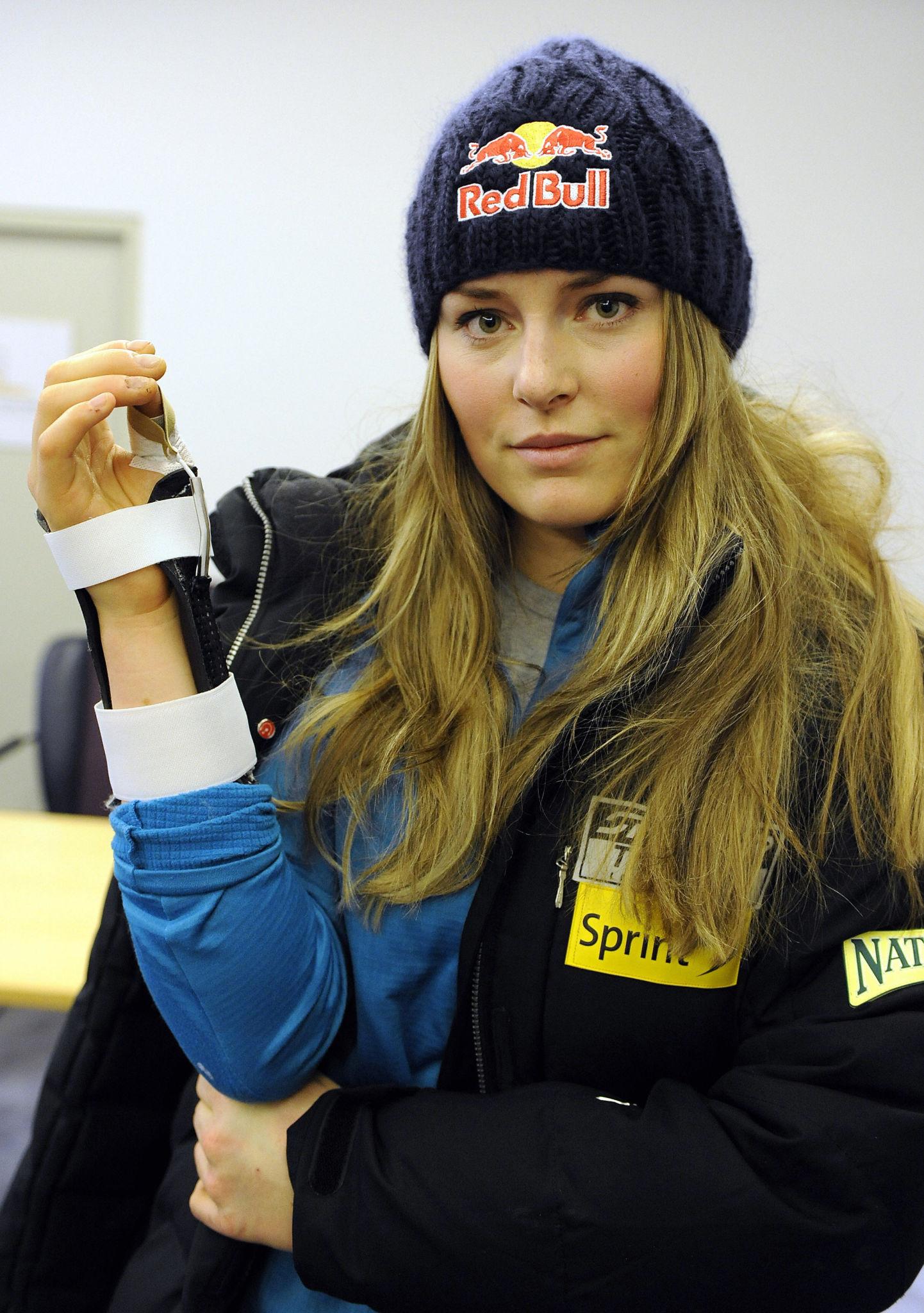
Elite alpine skiing is notoriously unforgiving. Athletes race downhill at highway speeds, navigating icy slopes where a split-second miscalculation can result in catastrophic injury. Vonn herself endured multiple knee surgeries, ligament tears, and fractures throughout her career. Yet this particular injury, she suggests, was different—more severe, more consuming.
Recovery from major orthopedic trauma can be grueling. Long stretches of immobility often lead to muscle atrophy, chronic pain, and emotional fatigue. For professional athletes whose identities are deeply intertwined with performance, the psychological toll can be as challenging as the physical rehabilitation.
Vonn has also spoken openly in the past about mental health struggles, emphasizing the importance of resilience and support systems. The pressure to return to competition—combined with public expectation—can amplify feelings of doubt. Fans see medals; athletes often endure silent battles.
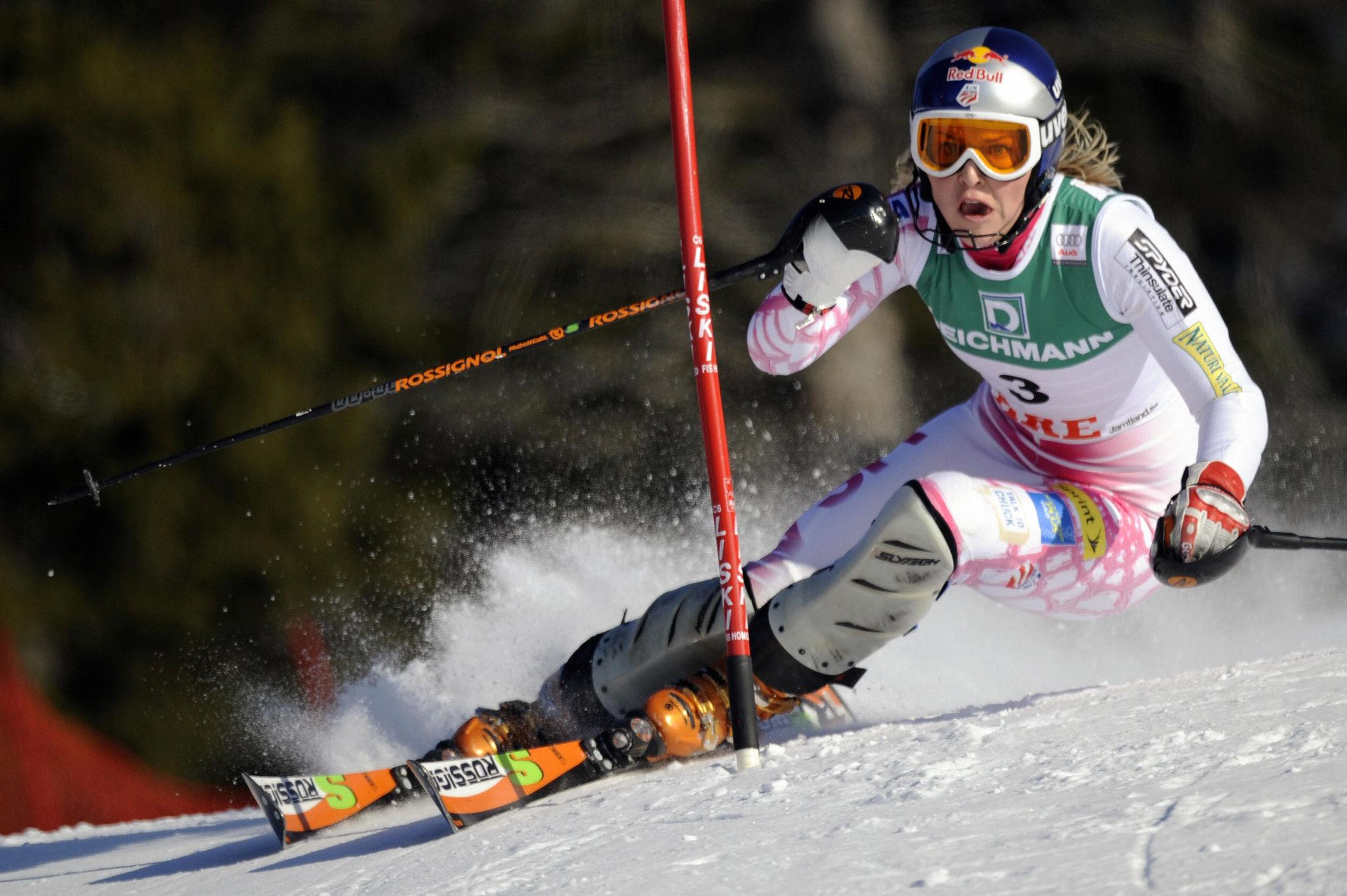
Speculation has surfaced about whether this injury could permanently end any possibility of competitive skiing. Although Vonn officially retired from professional competition in 2019, discussions about potential comebacks or exhibition appearances occasionally emerge in media circles. Her recent comments, however, suggest that even recreational skiing may pose serious challenges moving forward.
Sports medicine experts frequently warn that repeated high-impact injuries increase long-term risks, including arthritis, chronic instability, and nerve complications. For someone who has pushed her body to its absolute limits for decades, the cumulative damage can be significant.
Still, Vonn remains a symbol of resilience. She has transitioned into broadcasting, philanthropy, and advocacy for young female athletes. Her foundation work supports education and empowerment initiatives, demonstrating that her legacy extends far beyond the slopes.

Whether she skis again competitively may ultimately matter less than the example she continues to set. Her willingness to speak about pain—both physical and emotional—offers a rare glimpse behind the curtain of elite sport.
For fans who grew up watching her fearless descents, the possibility that she may never race again is bittersweet. But legends are not defined solely by medals. Sometimes, they are defined by the courage to confront vulnerability—and to share it with the world.