The Mansion Behind the Mask: Power, Privilege, and a Shattered Illusion
- TranThuy
- February 26, 2026
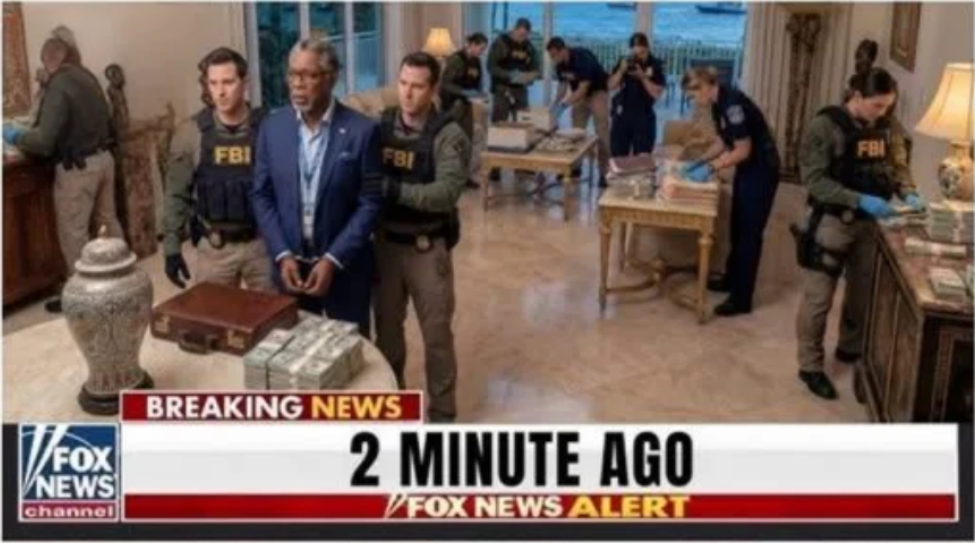
Behind a glittering waterfront mansion in Coral Gables, a dark secret pulsed in silence. Palm trees swayed over manicured gardens, luxury cars lined the driveway, and the property—valued at $14 million—appeared to embody success and prestige. Yet prosecutors allege that beneath this polished exterior lay the operational heart of a $6.2 billion fentanyl empire. What seemed like paradise was, investigators claim, a carefully fortified command center for one of the most sophisticated drug operations in recent memory.
At the center of the case stands Hassan Omar Khalif, identified as a Somali Deputy Commercial Attaché. According to authorities, he allegedly shielded himself behind diplomatic immunity while overseeing a network that blended high-level strategy with industrial efficiency. Hidden laboratories reportedly produced up to 50,000 counterfeit pills an hour, each designed to mimic legitimate pharmaceuticals while containing lethal doses of fentanyl. The scale was staggering—not merely street-level trafficking, but a global enterprise constructed with precision and discipline.
For more than a year, the operation is said to have moved with military coordination. Cryptocurrency channels laundered profits through layers of encrypted transactions. International shipping routes masked the flow of precursor chemicals and finished product. Shell companies and falsified documents added further barriers against detection. The organization thrived in the shadows, insulated by privilege and complexity, exploiting both diplomatic protections and technological anonymity to remain steps ahead of scrutiny.
The silence began to fracture when communities reported a tragic spike in overdose deaths bearing a distinct “signature.” Toxicology reports revealed patterns too consistent to ignore. Families mourned loved ones lost to pills they believed were safe. Public health officials raised alarms, and the human cost of the alleged empire became impossible to dismiss. Each fatality transformed the investigation from a financial crime probe into a race against time to prevent further devastation.
When the Federal Bureau of Investigation and U.S. Immigration and Customs Enforcement finally closed in, diplomatic privilege reportedly collided with mounting evidence. Search warrants, digital forensics, and coordinated raids exposed what authorities described as a fortress of deception. The grandeur of the Coral Gables mansion no longer symbolized prestige; it stood as a stark contrast to the suffering allegedly financed within its walls. Legal proceedings now aim to untangle a web of international connections and hold those responsible accountable.
This story is not solely about staggering numbers or dramatic raids. It is about trust betrayed—about the exploitation of diplomatic status, about communities shattered by addiction, and about lives cut short by counterfeit promises. It is also about the relentless pursuit of justice, driven by investigators determined to dismantle a network that thrived on concealment. In the end, the mansion’s gleaming façade could not withstand the weight of truth. What once appeared untouchable now serves as a sobering reminder that even the most fortified illusions can fall when evidence speaks and justice persists.