The $15,990 Revolution: Is Tesla’s Model 2 About to Change Everything?
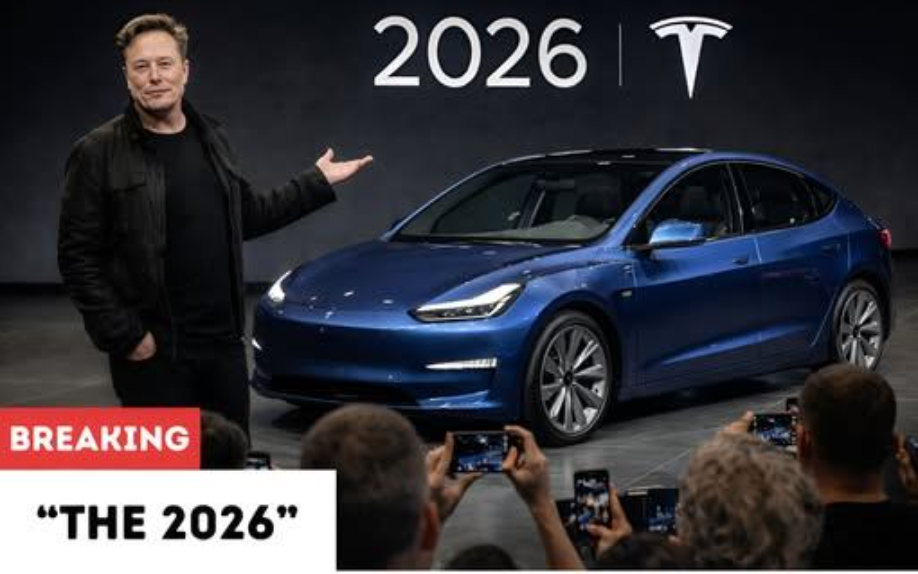
BREAKING: Tesla, Inc. is reportedly opening pre-orders for the 2026 Model 2 at just $15,990—a price so bold it is sending ripples from Wall Street to Main Street. For years, electric vehicles have symbolized innovation and environmental progress, yet their price tags often kept them just beyond the reach of average consumers. Now, the possibility of a truly affordable Tesla has ignited excitement across financial markets, auto dealerships, and family dinner tables alike.
Under the relentless vision of Elon Musk, Tesla has repeatedly defied expectations. From proving that electric cars could rival luxury sedans in performance to scaling production at unprecedented speed, the company has reshaped perceptions of what EVs can be. The rumored Model 2, however, represents something even more transformative: accessibility. At $15,990, it promises not merely another sleek vehicle, but a gateway into sustainable driving for millions who once considered it unattainable.
For everyday families, affordability changes the conversation. Electric cars have long been praised for lower operating costs, reduced emissions, and cutting-edge technology. Yet upfront prices remained a barrier. A Model 2 at this level could place zero-emission transportation into the hands of teachers, small business owners, and first-time car buyers. It would signal that sustainability is no longer a premium feature reserved for early adopters, but a practical choice woven into daily life.
Investors and industry analysts are watching closely. A vehicle at this price point could intensify competition across the global auto market, pressuring traditional manufacturers to accelerate their own affordable EV strategies. Supply chains, battery production capacity, and charging infrastructure would all face new demands. Skeptics question whether such a low price can be sustained without compromising margins or features. Supporters argue that Tesla’s scale, innovation in battery technology, and streamlined manufacturing may make the once-impossible feasible.
Beyond economics, the announcement carries symbolic weight. Climate change, urban pollution, and energy independence remain pressing global concerns. An affordable EV shifts the narrative from aspiration to action. Instead of asking whether the future will be electric, consumers may begin asking how soon they can participate. The psychological shift—from exclusivity to inclusivity—could prove as impactful as the car itself.
Is it merely hype, or are we witnessing history quietly shifting gears? The answer will unfold in production numbers and real-world deliveries. Yet if the promise holds true, this is more than a product launch. It is a statement that innovation belongs not only to dreamers or the wealthy, but to everyone who travels the open road. And if Tesla succeeds, the road ahead may indeed belong to us all.