Red Tape and Real Talk: When Comedy Confronts Bureaucracy
- TranThuy
- February 26, 2026
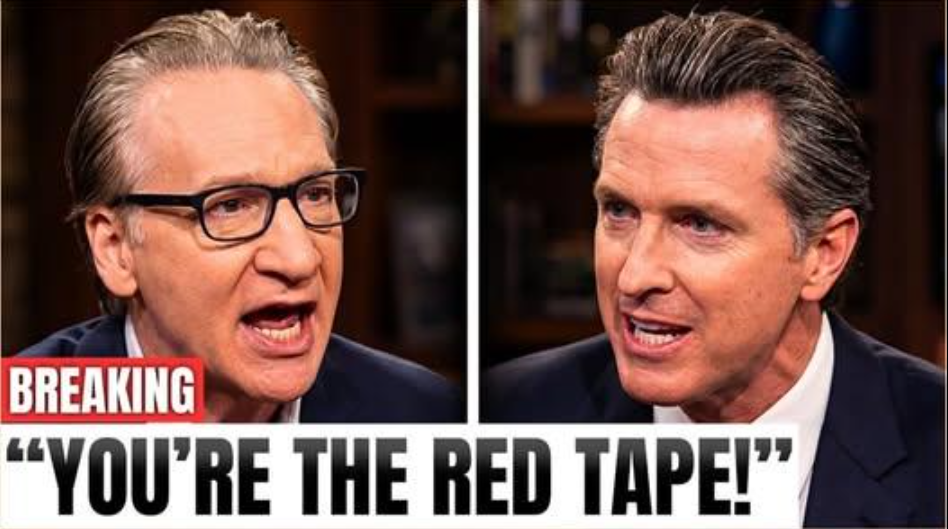
Frustration met fiery honesty on a recent episode of Real Time with Bill Maher as Bill Maher and Adam Carolla took aim at what they described as California’s crushing red tape. With sharp humor and visible exasperation, the two comedians dissected what they see as a labyrinth of permits, inspections, and regulations. Their tone blended satire with seriousness, drawing laughter from the audience even as the underlying concerns struck a more somber chord.
Throughout the discussion, Maher and Carolla painted a vivid picture of bureaucratic complexity. They spoke about small business owners navigating endless forms before opening their doors, contractors waiting months for approvals, and homeowners stalled by inspection requirements that seem to multiply at every turn. While regulations are often designed to protect public safety and ensure fairness, the pair argued that excessive layers of oversight can instead paralyze progress and discourage initiative.
Carolla, known for his outspoken commentary, shared anecdotes illustrating how projects that should take weeks can stretch into years. Maher responded with biting wit, suggesting that innovation struggles when tangled in procedural knots. Their exchange resonated with viewers who have experienced similar frustrations—long waits, unclear guidelines, and mounting costs caused by administrative delays. The humor amplified the message, making the critique accessible rather than purely technical.
Yet the conversation was not merely a comedic rant. Beneath the punchlines lay a broader question about governance and balance. How much regulation is necessary to protect communities, and when does it become counterproductive? Supporters of strict oversight argue that building codes, environmental reviews, and labor standards safeguard public interests. Critics counter that overregulation can stifle entrepreneurship and inflate housing prices, particularly in states already grappling with affordability challenges.
The viral nature of the exchange suggested that the topic struck a nerve. Social media users debated whether California’s regulatory framework is a necessary safeguard or an obstacle to opportunity. Some praised Maher and Carolla for voicing concerns that many feel but rarely articulate publicly. Others cautioned that dismantling safeguards without careful consideration could lead to unintended consequences. The discussion revealed how deeply personal policy debates can become when they affect livelihoods and homes.
In that charged studio moment, laughter mixed with genuine concern. Comedy became a megaphone for public frustration, translating policy complexities into relatable stories. Whether one agrees with their critique or defends the existing system, the exchange underscored a universal desire: a government that serves its people efficiently and transparently. When humor highlights real-world struggles, it does more than entertain—it invites reflection on how systems can better align with the needs of those they are meant to support.