A City of Tomorrow: Elon Musk’s Vision for a Clean-Energy Future
- TranThuy
- February 26, 2026
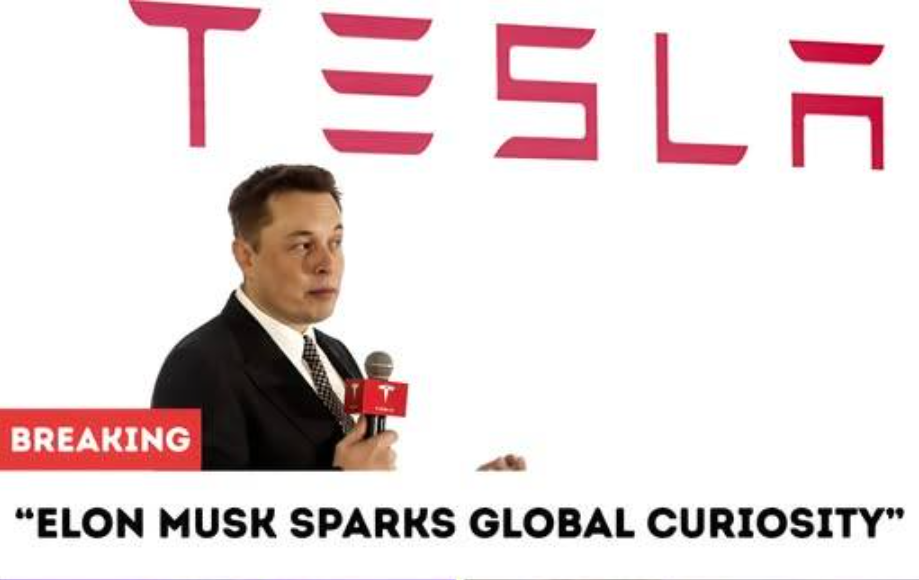
Global curiosity ignited when Elon Musk announced that Tesla, Inc. is preparing to inaugurate a futuristic clean-energy city in early 2026. Though the details remain limited, the ambition behind the idea is unmistakable. Musk described a place where innovation is not confined to vehicles or factories, but embedded into the very streets and skylines of daily life. It is a concept that feels both visionary and tangible—a bold attempt to reimagine how communities could function in a carbon-conscious era.
According to the early outline, the city would blend sleek modern architecture with deeply integrated smart technology. Homes would generate their own power through solar panels, storing energy in advanced battery systems designed to eliminate reliance on fossil fuels. Instead of smoke rising from distant power plants, rooftops would shimmer under sunlight, quietly fueling neighborhoods with renewable energy. The infrastructure itself would be intelligent, optimizing energy use, transportation flow, and public services in real time.
Transportation would play a central role in this clean-energy ecosystem. Streets are imagined to hum with electric vehicles, seamlessly connected to charging networks powered by renewable sources. Autonomous transit options might reduce congestion and improve efficiency, while pedestrian-friendly pathways encourage healthier lifestyles. The city would not merely accommodate electric mobility—it would be built around it, integrating sustainability into its foundation rather than retrofitting it as an afterthought.
Beyond technology, the vision carries a social dimension. Musk hinted at a community connected not only by high-speed internet but also by shared environmental purpose. Public spaces could foster collaboration, education, and innovation focused on sustainability. Schools might incorporate green technology into everyday learning, and businesses could operate within circular economic systems that minimize waste. In such a setting, environmental responsibility becomes less of a policy debate and more of a lived experience.
Skeptics question whether the project is a fully realized blueprint or a conceptual showcase designed to inspire investment and attention. Building an entirely new city requires navigating complex regulatory frameworks, infrastructure costs, and long-term economic planning. Yet Tesla’s history suggests that ambitious ideas often begin as bold declarations before evolving into concrete achievements. The announcement alone has sparked conversations among urban planners, environmentalists, and technologists worldwide.
Whether this clean-energy city becomes a transformative reality or remains an aspirational concept, it has already achieved something powerful: it has expanded the boundaries of possibility. When Tesla dreams of cities, the world listens more closely because past innovations have proven that audacious visions can take form. In a time when climate challenges loom large, the idea of a sustainable, technology-driven community feels less like fantasy and more like hope—a future that may one day feel not distant, but like a place to call home.