Underwater Warfare Shock: Submarine Fires Torpedo at U.S. Aircraft Carrier
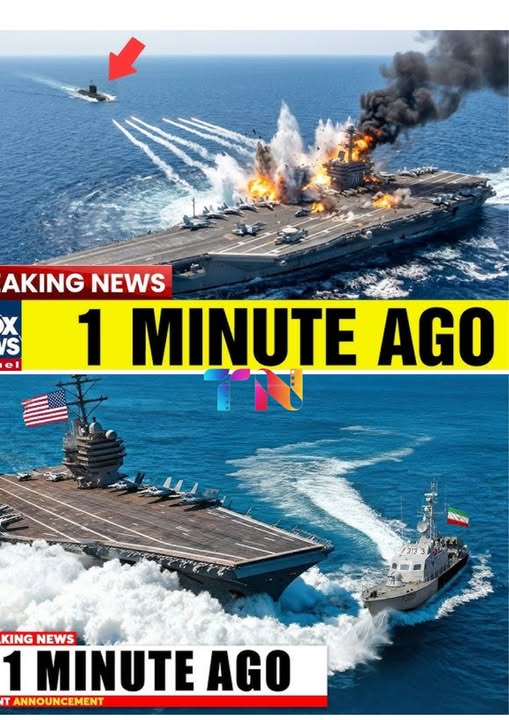
In a startling incident near Iranian waters, a hostile submarine fired a torpedo directly at a massive U.S. aircraft carrier, setting off alarms and raising tensions in an already volatile region. However, what unfolded next has left military analysts and spectators in awe. Instead of chaos and destruction, the U.S. Navy executed a stunning display of tactical restraint that thwarted the attack and maintained peace.
As the torpedo raced through the depths of the ocean, U.S. naval crews sprang into action. Employing sophisticated sonar technology and layered defense systems, the Navy was able to detect the incoming threat almost instantly. The quick coordination among the crew showcased years of training and preparedness, allowing them to deploy countermeasures that neutralized the torpedo without causing alarm or escalating the situation further.
The incident marks a significant moment in modern naval warfare, where technology and strategy converged to prevent disaster. Instead of a retaliatory strike that could ignite a broader conflict, the Navy opted for restraint, sending a powerful message that rings throughout the military community. This calculated approach is likely to shift dynamics in the Middle East, demonstrating that while aggression may be met with force, it can also be countered with measured tactics aimed at de-escalation.
As the dust settles, the implications of this encounter are profound. Military experts are now analyzing what this near-miss reveals about the future of underwater warfare and the delicate balance of power in the region. The incident has sparked debates about the role of advanced technology in modern conflicts and the importance of restraint in high-stakes encounters.
However, as the military remains tight-lipped about the details, the world may never fully grasp the strategic moves that were made behind closed doors. The incident raises questions about the willingness of nations to engage in brinkmanship and the potential for future confrontations.
For now, the episode has left both allies and adversaries on edge. As tensions continue to simmer in the Middle East, the Navy’s masterclass in tactical restraint has set a precedent for how such crises may be handled in the future. The echoes of this underwater drama remind us that in the age of advanced warfare, sometimes the most powerful weapon is the ability to choose peace over conflict.