2026: Tesla’s Defining Line Between Vision and Reality
- TranThuy
- February 26, 2026
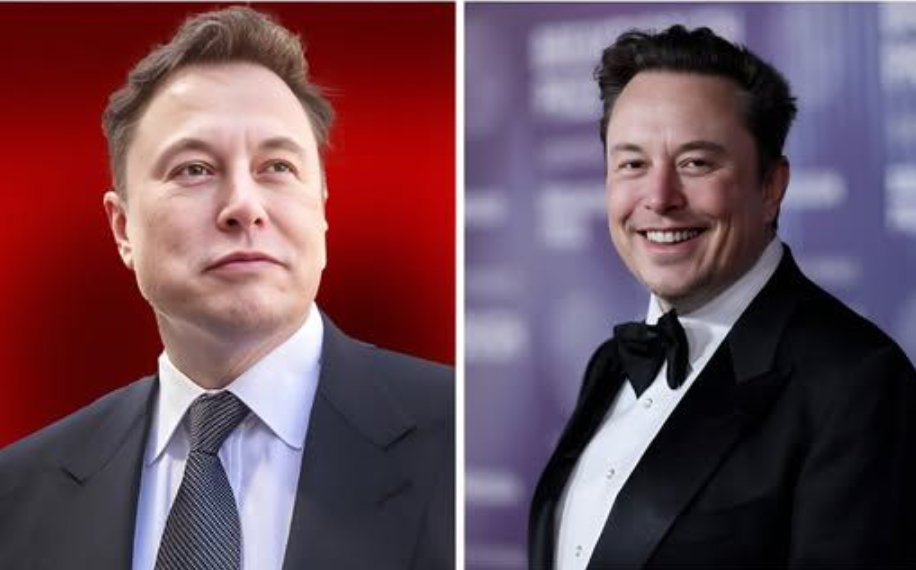
The year 2026 is no ordinary date on a calendar—it is a promise, a gamble, and a defining line drawn sharply in the sand. For Tesla, Inc., it has been described as the ultimate “prove-it year,” a moment when ambition must translate into undeniable results. And for Elon Musk, it may become the most decisive chapter of an already extraordinary journey. After years of bold predictions, disruptive innovation, and relentless expansion, the time will come when vision is measured not by headlines, but by performance.
This is about far more than quarterly earnings or new product unveilings. It represents a convergence point where daring ideas must withstand the pressures of reality. Tesla has long positioned itself not simply as a car manufacturer, but as a technology company reshaping transportation, energy, and artificial intelligence. By 2026, expectations surrounding autonomous driving, next-generation vehicles, battery breakthroughs, and global production capacity will reach a critical peak. Investors will demand clarity. Customers will demand reliability. The world will demand proof.
For Musk, the stakes are deeply personal as well as professional. His leadership style—audacious, outspoken, and often controversial—has fueled both admiration and skepticism. Supporters see him as a visionary pushing humanity forward; critics question whether timelines and promises can consistently match outcomes. In 2026, those competing narratives may collide. Success could solidify his legacy as one of the defining innovators of the 21st century. Failure, or even significant delay, could reshape public confidence in his grandest ambitions.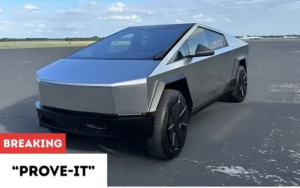
At the heart of this pivotal year lies innovation itself. Tesla’s future depends on its ability to refine self-driving technology, scale manufacturing efficiently, and maintain its competitive edge in an increasingly crowded electric vehicle market. Global rivals are accelerating their own EV programs, governments are adjusting regulations, and consumers are becoming more discerning. To thrive, Tesla must demonstrate not only creativity, but operational excellence. The company’s daring spirit must be matched by disciplined execution.
Yet beyond corporate strategy and market competition lies something larger: belief. Tesla has always sold more than cars—it has sold a vision of a cleaner, smarter, more sustainable world. That vision inspired millions to rethink what vehicles could be. In 2026, that dream will face its most significant test. Can the company continue to lead the transition to sustainable energy while navigating economic uncertainty and technological complexity? Can it transform expectation into achievement under the brightest spotlight yet?
When 2026 arrives, the world will not merely be watching a company’s balance sheet. It will be watching a dream fight to prove it belongs to the future. The year will stand as a turning point—either a triumphant validation of bold ambition or a sobering reminder of innovation’s limits. Whatever the outcome, one truth will remain clear: 2026 will not simply mark time. It will define it. 🚀✨