Massive FBI-ICE-DEA Raids Uncover Sprawling Underground Tunnel in Minneapolis

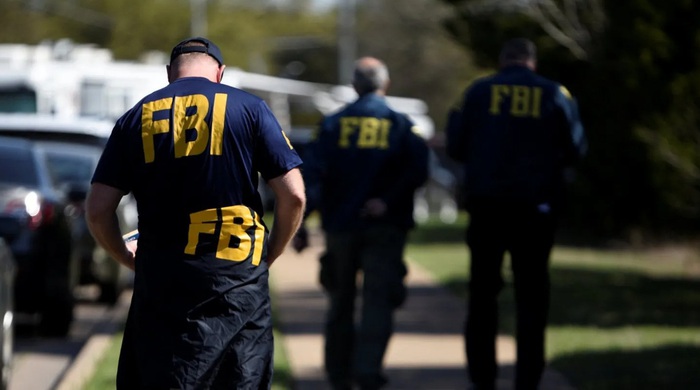
In a stunning display of coordinated law enforcement efforts, the FBI, ICE, and DEA have uncovered a half-mile underground tunnel in Minneapolis, leading to one of the most significant drug busts in recent years. The operation, which took place before sunrise, resulted in the arrest of 87 individuals and the seizure of a staggering 3.41 tons of narcotics alongside $14 million in assets.
Agents discovered that the secret tunnel originated from a seemingly unassuming home in South Minneapolis, extending directly into commercial properties. This hidden network allowed criminals to transport vast quantities of illegal drugs through the city, evading detection for an extended period. The extent of the operation has left officials stunned, raising urgent questions about how long this underground empire operated right beneath the community’s feet.
During the raid, agents uncovered an assortment of narcotics, including large quantities of fentanyl, methamphetamine, and cocaine. The sheer volume of drugs seized had the potential to wreak havoc on local streets, underscoring the importance of this significant enforcement action.
Officials have labeled this operation as one of the largest regional busts in years, recognizing the collaboration of federal, state, and local law enforcement agencies in tackling the growing epidemic. As investigators sift through the details, they are now focusing on the broader implications of this discovery. How extensive was the network? Who else might be involved? And how did they manage to operate undetected for so long?
The ramifications of this bust extend beyond the immediate arrests and seizures. Community leaders and residents are grappling with the reality of organized crime lurking in their midst, reflecting on the urgent need for ongoing vigilance. The revelations have also opened discussions about the efficacy of current law enforcement strategies in detecting and dismantling such sophisticated drug trafficking operations.
As the investigation progresses, authorities remain dedicated to uncovering any remaining links to the underground network. The challenge ahead lies not only in prosecuting those arrested but also in dismantling the systems that allowed this operation to thrive.
This incident serves as a powerful reminder of the continuous battle against drug trafficking and the lengths that organized crime will go to evade law enforcement. As Minneapolis faces these unsettling truths, the community is urged to stay alert and engaged in the ongoing fight against the spread of narcotics that jeopardize lives and safety. The eyes of the nation are watching closely as this narrative unfolds, and the true depth of this underground tunnel network continues to emerge.