FROM ROC-A-FELLA KING TO $4,350 IN ASSETS: The Tragic Downfall of a Hip-Hop Legend Exposed
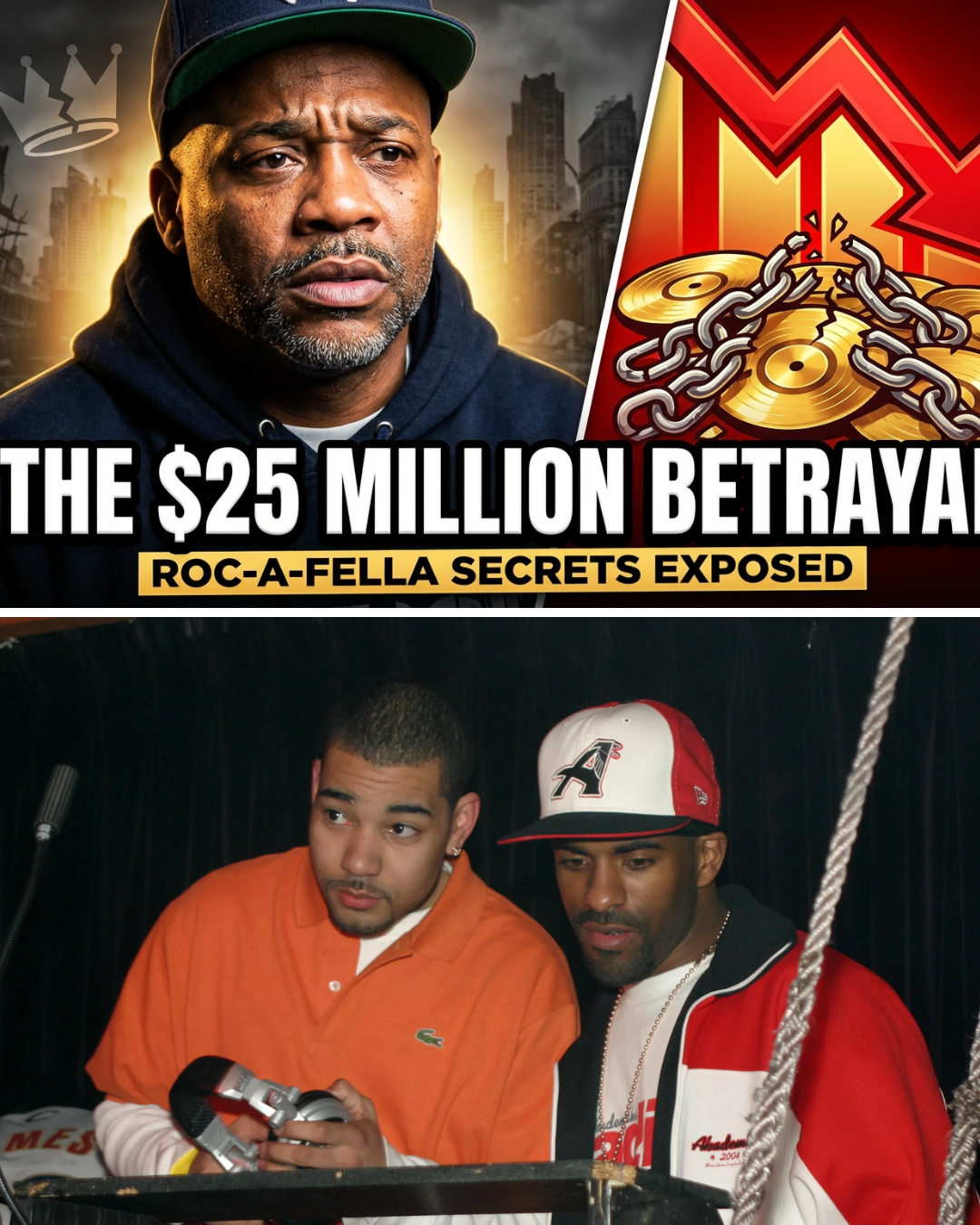
There was a time when Damon Dash stood at the center of hip-hop’s most powerful table. As co-founder of Roc-A-Fella Records, he helped launch the careers of artists who would go on to dominate global music. Jay-Z evolved from Brooklyn lyricist to billionaire mogul. Kanye West transformed from in-house producer to cultural lightning rod. And for a moment in time, Dash was the unapologetic architect behind it all.
Today, the story looks dramatically different.
Recent financial disclosures reportedly paint a sobering picture: assets totaling just a few thousand dollars, modest personal belongings, and mounting debt estimated in the tens of millions. Tax obligations, including a significant sum allegedly owed to New York State, loom large. Once synonymous with champagne launches and boardroom bravado, Dash has become a symbol of how quickly fortunes can unravel in the unforgiving music industry.
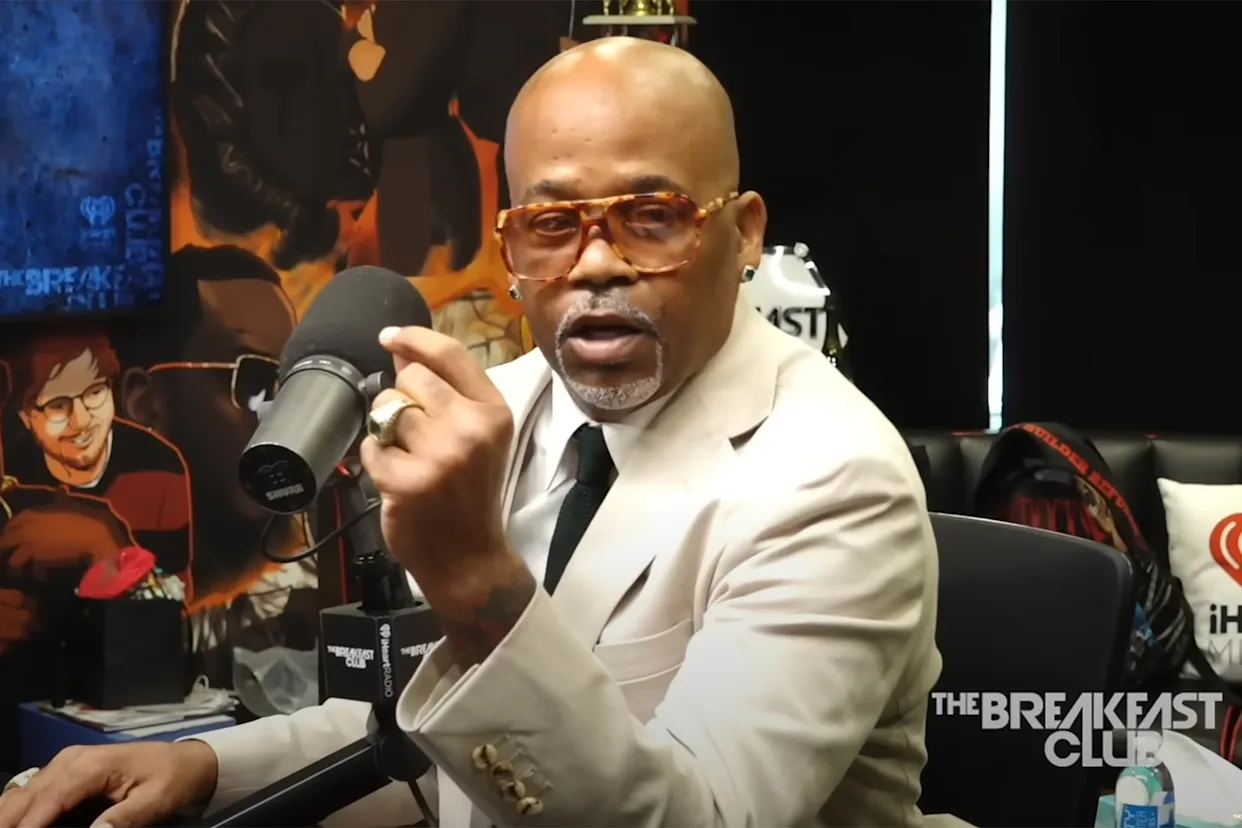
But insiders insist this is not merely a story of reckless spending or failed ventures. According to whispers within industry circles, Dash believes his financial collapse traces back to deeper fractures—fractures rooted in partnerships that deteriorated and royalties he claims never materialized as expected.
The early days of Roc-A-Fella were marked by hunger, ambition, and tight-knit loyalty. Yet as success multiplied, so did tensions. Contracts evolved. Equity stakes shifted. Ownership structures became more complex. When Jay-Z eventually parted ways and Roc-A-Fella’s assets were absorbed into larger corporate frameworks, the foundation that Dash helped build reportedly slipped from his grasp.
Observers point out that the music business of the late 1990s and early 2000s was a maze of aggressive negotiations and opaque accounting. Artists and executives alike often discovered too late that handshake agreements carried little weight against corporate contracts. Could Dash have miscalculated his leverage? Or did he become isolated as alliances hardened around new power structures?
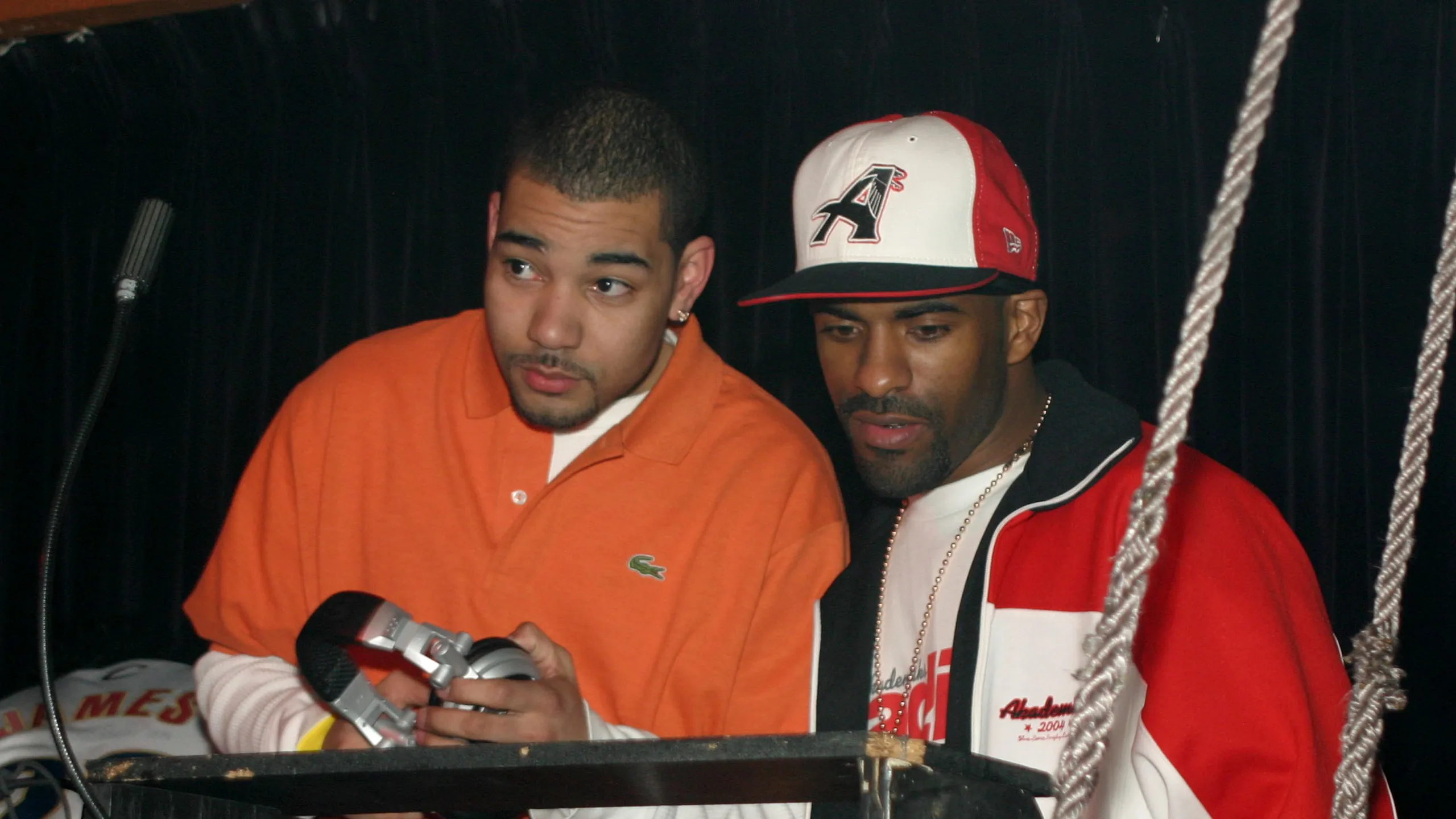
Dash himself has spoken publicly over the years about betrayal and creative control, portraying his journey as one of defiance against an industry machine that rewards compliance over independence. His critics argue that business disputes, lawsuits, and personal spending choices compounded his troubles. Supporters counter that systemic inequities and strategic sidelining played a decisive role.
The most tantalizing speculation centers on what Dash knows. As a founding architect of Roc-A-Fella’s rise, he witnessed pivotal negotiations, royalty splits, and backroom decisions that shaped modern hip-hop’s corporate blueprint. With little left to protect financially, some wonder whether he might reveal uncomfortable truths about the industry’s inner workings.
Yet the narrative of total collapse may oversimplify a more complex reality. The entertainment landscape is littered with meteoric rises and dramatic falls. Ownership battles, tax disputes, and shifting markets have undone many pioneers before him.
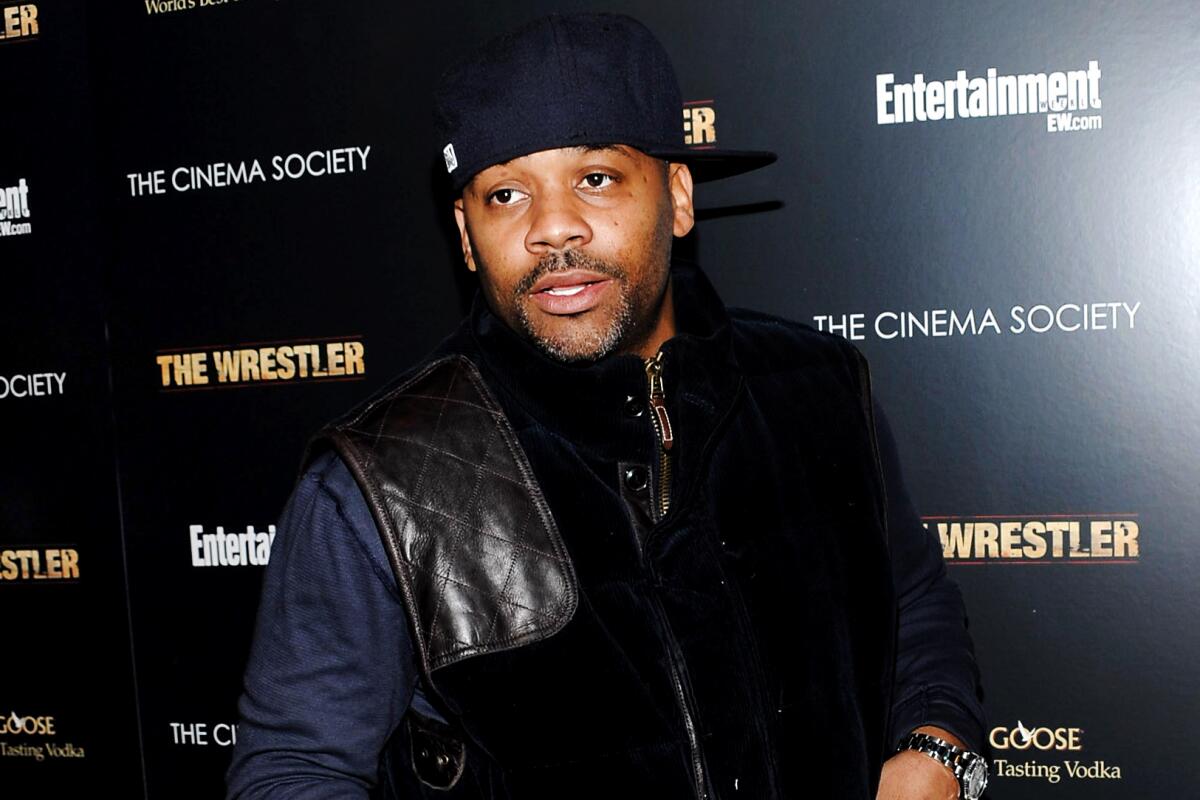
For now, Damon Dash stands at a crossroads. Once a kingmaker, now navigating legal and financial headwinds, his story serves as a cautionary tale about ambition, loyalty, and the brutal arithmetic of fame. Whether this chapter ends in quiet obscurity or a redemptive resurgence remains to be seen.
In hip-hop, legacies are rarely simple. And sometimes, the architects of empires find themselves fighting to reclaim even a fragment of what they built.