BLOOD, BLACKMAIL, AND DISMEMBERED BODIES: Pacquiao’s $340M Lawsuit Unmasks the DIRTIEST Trick in Boxing History
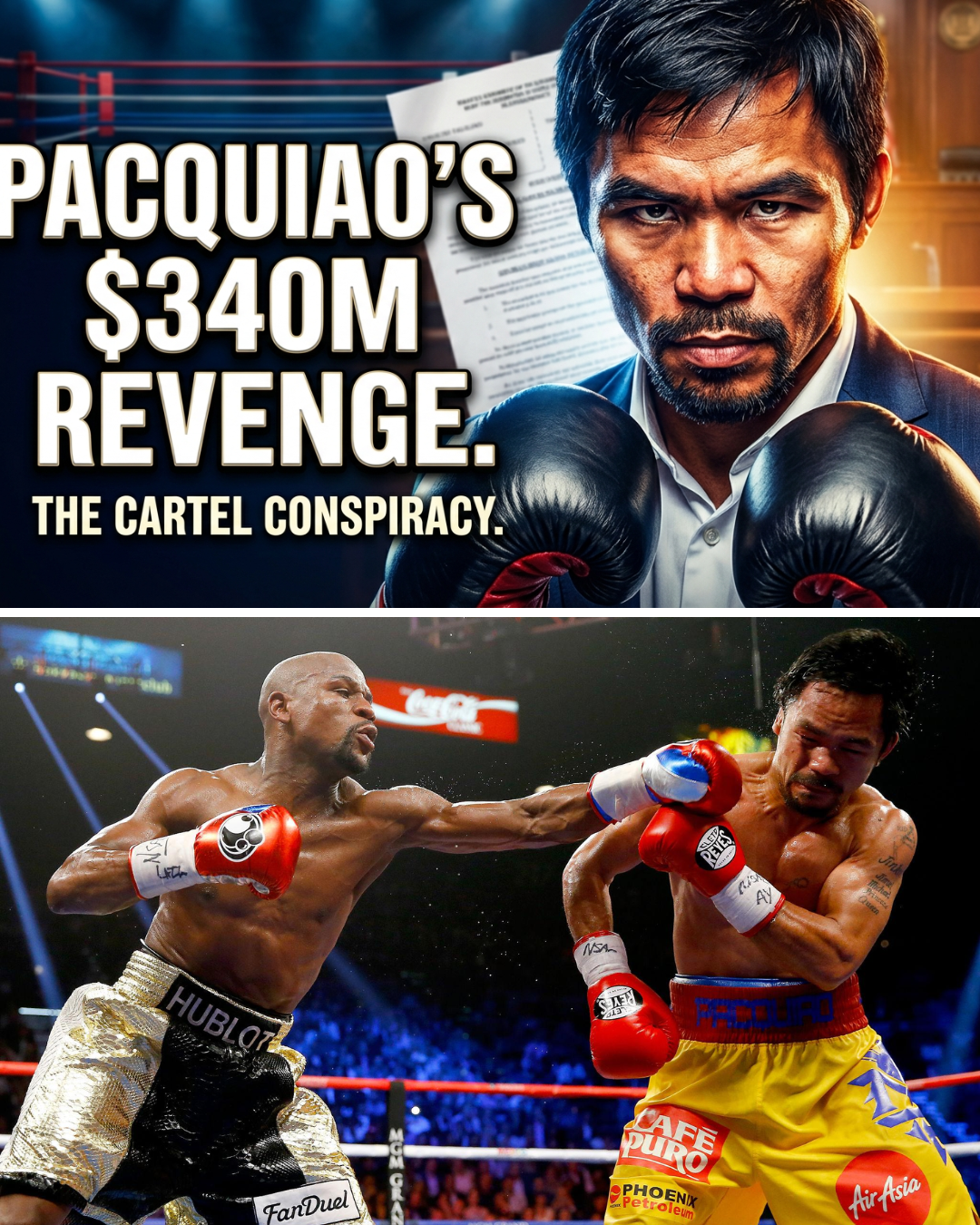
Manny Pacquiao has never backed down from a fight. From the gritty gyms of General Santos City to the brightest lights of Las Vegas, the Filipino icon built a legacy on speed, discipline, and fearless aggression. But as he prepares for what insiders are calling a stunning late-career rematch narrative involving Floyd Mayweather Jr., Pacquiao is delivering blows not in the ring—but in federal court.
At the center of the controversy is a jaw-dropping allegation that once threatened to shatter his reputation. A restaurant server reportedly claimed Pacquiao sent graphic images of dismembered bodies as part of an alleged intimidation campaign. The accusation exploded across social media, triggering headlines that painted the boxing legend as something far darker than a sportsman.
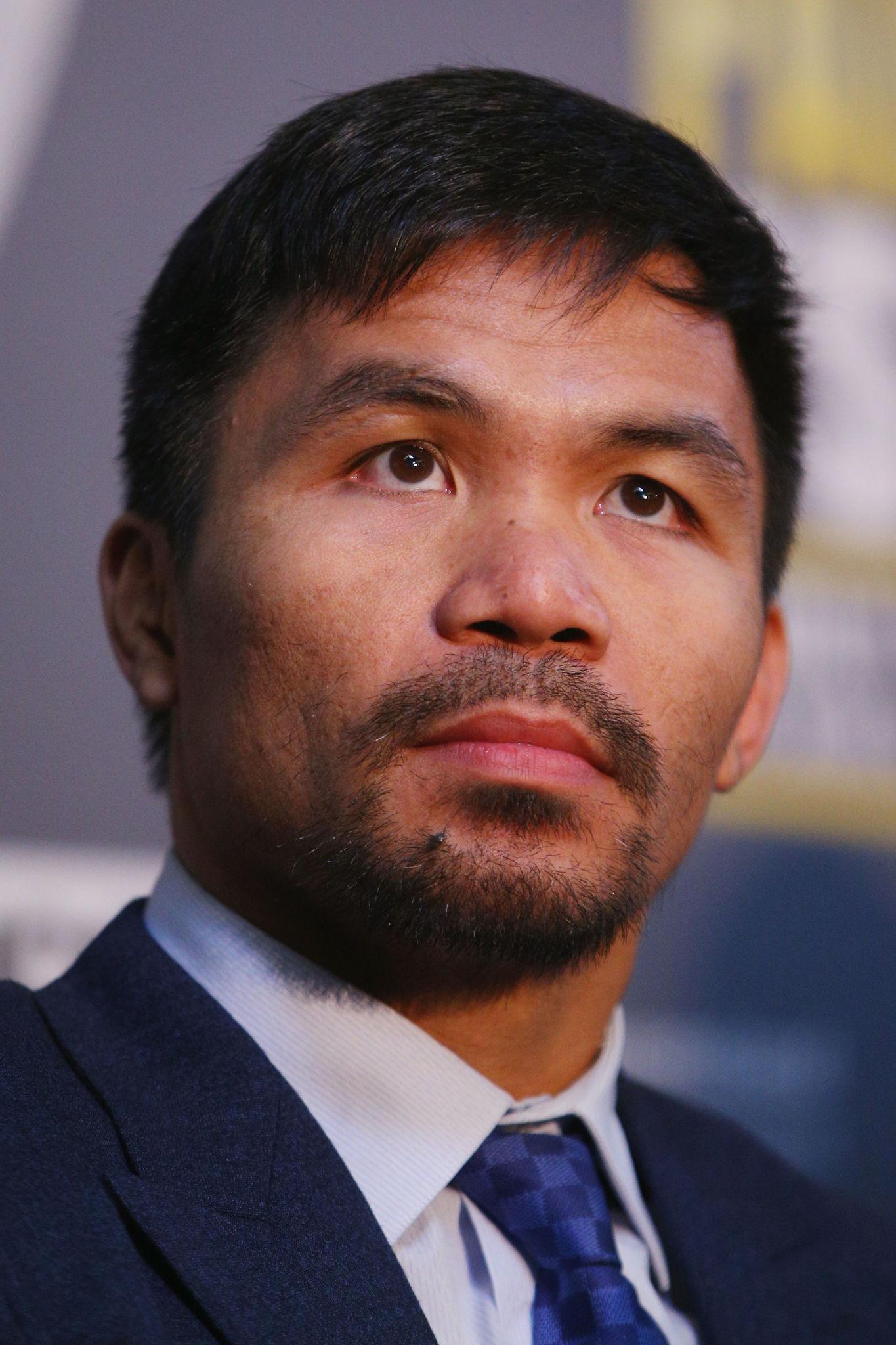
Now, Pacquiao has fired back with a staggering $340 million lawsuit, alleging malicious prosecution and a coordinated attempt to extort him. According to filings referenced by sources close to the case, Pacquiao’s legal team uncovered evidence suggesting the disturbing messages were part of a widespread cartel-style scam sent to more than 100 unrelated individuals.
The boxer’s attorneys claim forensic analysis of the text messages revealed identical phrasing, recycled images, and metadata linking them to offshore digital networks frequently used in mass extortion operations. In court, they argue that Pacquiao was merely one of many high-profile targets—selected for his global fame and perceived deep pockets.
But the lawsuit goes further.
Pacquiao alleges that certain law firms, rather than carefully vetting the claims, aggressively pursued the case while overlooking inconsistencies. His legal complaint reportedly accuses unnamed attorneys of fabricating narrative threads and selectively presenting evidence in a bid to pressure a high-value settlement. If proven, the implications could ripple far beyond boxing.

Adding to the intrigue are claims of “lost emails” belonging to the accuser—communications that Pacquiao’s team says contained discussions of potential financial leverage. Digital recovery specialists allegedly retrieved fragments suggesting awareness of similar scam tactics. Whether those findings hold up under judicial scrutiny remains to be seen, but the accusation alone has fueled intense speculation.
For Pacquiao, the damage was immediate. Sponsorship whispers surfaced. Online commentators questioned his character. In a sport where legacy is everything, even unproven allegations can leave scars.
The boxer maintains that he is fighting not only for personal vindication, but to expose a broader scheme exploiting celebrities through fear-based digital manipulation. His supporters argue that extortion rings increasingly target public figures with fabricated threats, banking on swift payouts to avoid reputational harm.
Meanwhile, critics caution that lawsuits of this magnitude often become battlegrounds of competing narratives. Legal experts note that malicious prosecution claims are notoriously difficult to win, requiring clear proof of intentional misconduct.
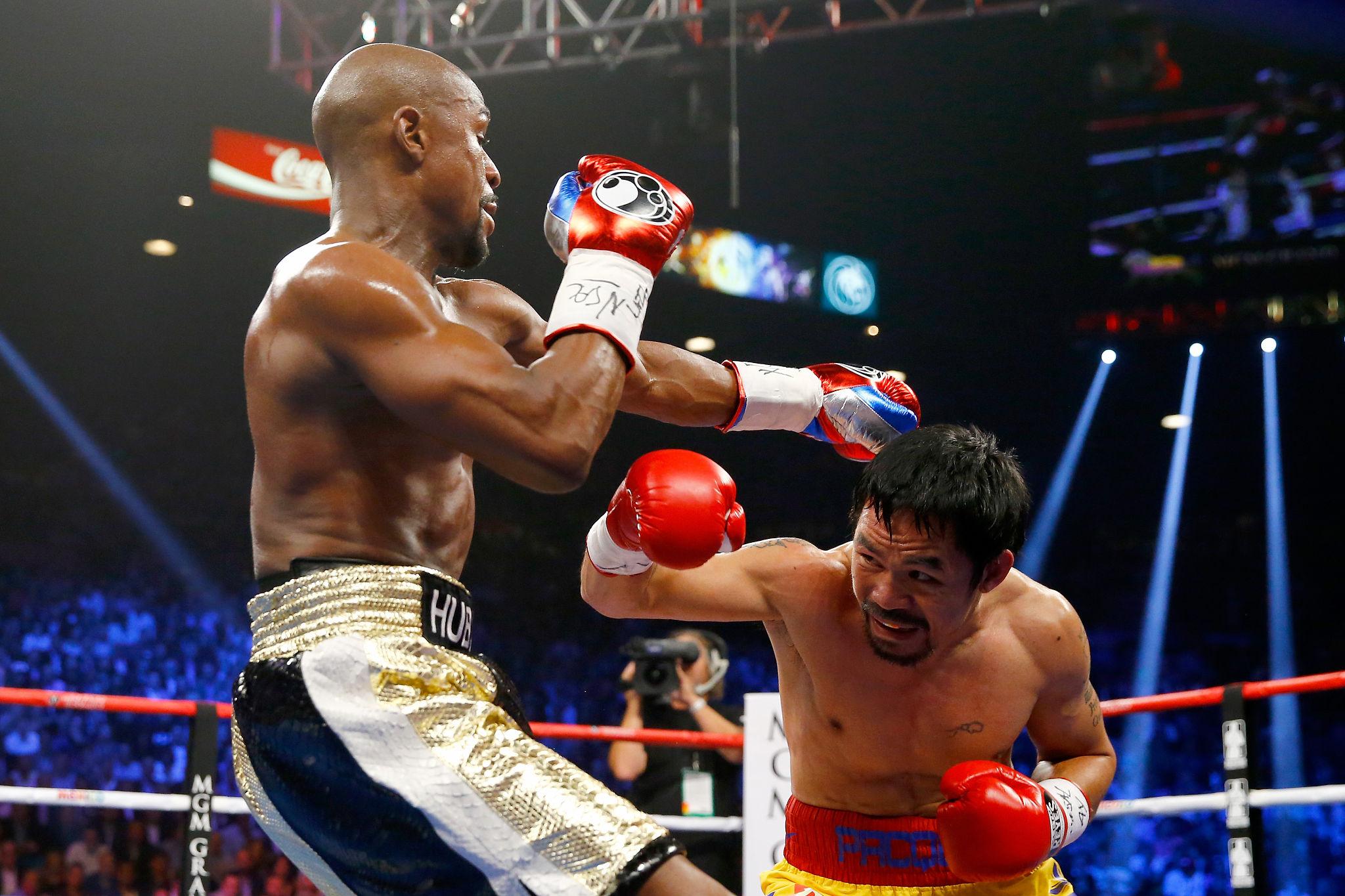
As court proceedings loom, the stakes could not be higher. If Pacquiao’s allegations of coordinated fabrication gain traction, they may cast a shadow over legal practices and investigative standards within high-profile civil disputes.
For now, the courtroom has replaced the squared circle. And as Manny Pacquiao prepares for both a physical and legal showdown, one question lingers: was this a calculated attempt to topple a legend—or simply the chaotic collision of fame and digital-age deception?
In boxing, timing is everything. And Pacquiao appears determined to land the final punch.