“I WAS HIS MARIONETTE”: Bianca Censori’s Shocking Confession About Kanye’s “Provocative Makeover” Exploitation
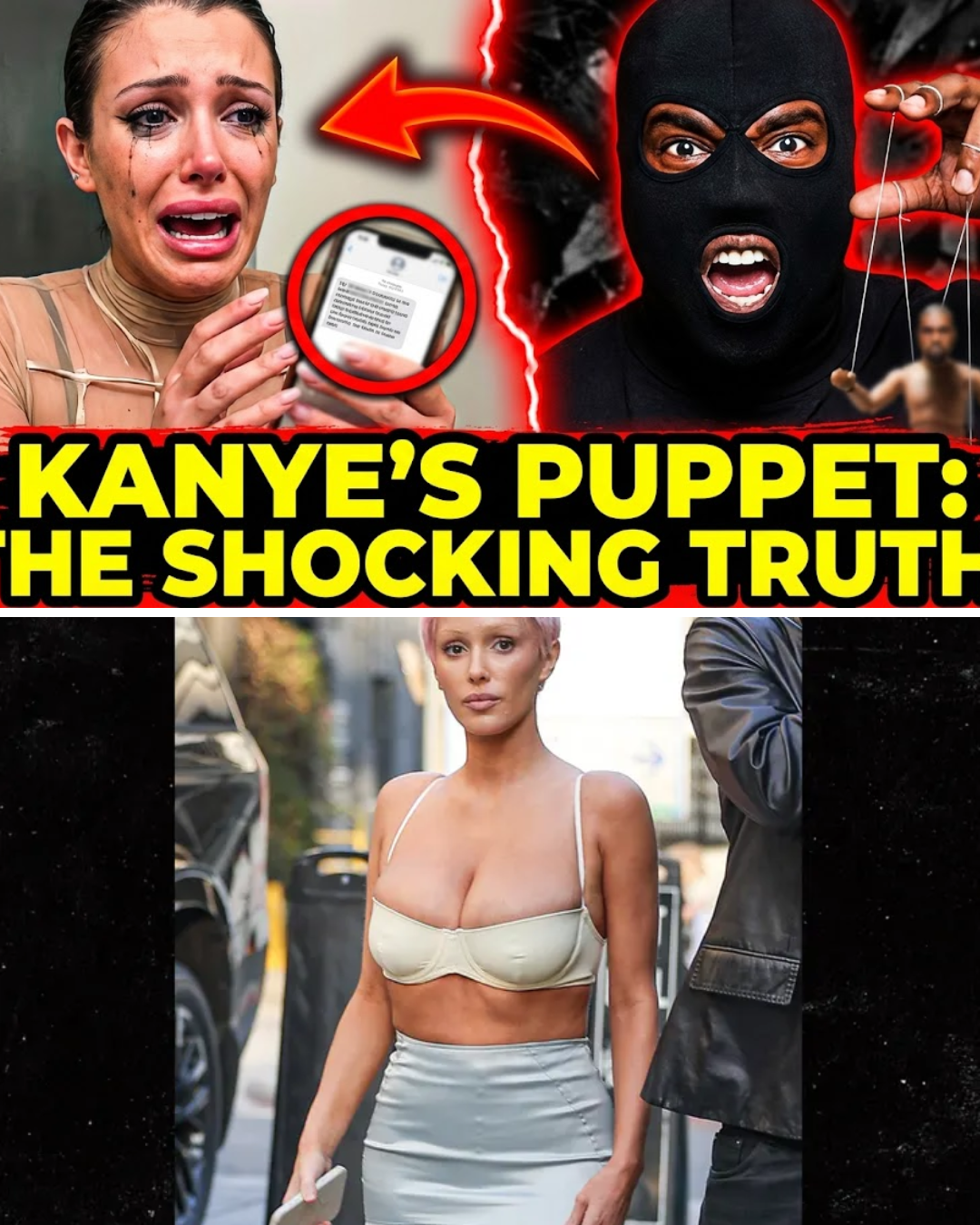
Over the past two years, few celebrity relationships have drawn as much fascination—and scrutiny—as that of Kanye West and Bianca Censori. Now, in what is being described as a deeply personal and emotionally charged confession, the Australian architect is reportedly opening up about the psychological toll of becoming the public face of what critics have called Kanye’s most provocative aesthetic era.
“I was his marionette,” Censori allegedly states in excerpts circulating online. While the authenticity of the full tell-all has yet to be independently verified, the quotes attributed to her paint a picture of a relationship shaped by power dynamics, creative control, and intense public exposure.
From headline-grabbing sheer dresses to minimalist looks that blurred the boundary between fashion and nudity, Bianca’s transformation from private architectural designer to global tabloid fixture was swift and dramatic. According to the reported excerpts, she initially viewed the styling choices as avant-garde performance art—a shared experiment in pushing boundaries. But over time, she claims the spectacle began to feel less collaborative and more coercive.
Sources familiar with the alleged publication say Censori describes “pressure tactics” that went beyond simple wardrobe suggestions. She reportedly claims Kanye framed clothing decisions as tests of loyalty and trust. Outfits were not merely fashion statements, she suggests—they were symbolic gestures of devotion to his artistic vision. Resistance, according to these claims, was met with emotional withdrawal, creative criticism, or intense philosophical monologues about “fearlessness” and “breaking societal norms.”
The psychological undertones of such dynamics have sparked debate among relationship experts. When one partner positions personal boundaries as obstacles to a shared “mission,” it can blur the line between collaboration and control. In the excerpts, Censori allegedly recounts feeling “ashamed” by global headlines dissecting her appearance, yet simultaneously convinced that backing out would signal betrayal.
Observers say the turning point came when she reportedly began asserting limits. “No more,” she is quoted as saying in one widely shared passage. Insiders claim that moment triggered a dramatic confrontation. Some accounts suggest Kanye reacted with disbelief, framing her resistance as a loss of artistic courage. Others describe a quieter shift—an uneasy recalibration in which both parties began renegotiating roles within the relationship.
The alleged tell-all also explores what Censori calls the “emotional buttons” they push in each other. She reportedly describes Kanye as deeply sensitive to abandonment and public humiliation, while admitting her own vulnerability to validation and approval. The interplay, she suggests, created a cycle: provocation generated headlines; headlines generated backlash; backlash intensified their insular bond.
Mental health professionals caution that high-profile relationships often amplify existing insecurities. When global media scrutiny collides with personal identity formation, the psychological pressure can become immense. In Censori’s case, the transformation from architect to fashion lightning rod unfolded under relentless public commentary.
Kanye West, who has publicly acknowledged living with bipolar disorder, has not responded to the circulating excerpts. Representatives for both parties have remained silent regarding the authenticity of the alleged memoir passages.
If the full account is indeed published, it could reshape public understanding of a relationship long viewed through the lens of spectacle. For some, the narrative may reinforce concerns about manipulation and autonomy. For others, it may be interpreted as a complex artistic partnership strained by fame.
What remains clear is that the conversation has shifted. The focus is no longer solely on shocking outfits or viral red-carpet moments, but on agency, consent, and the emotional architecture beneath celebrity image-making.
Whether this is a definitive break from the past or merely another chapter in a turbulent creative union is yet to be seen. But if Bianca Censori’s voice is truly emerging on her own terms, it signals a profound transformation—one that extends far beyond fashion.