EXPOSED: The Shocking Truth Behind Closed Doors
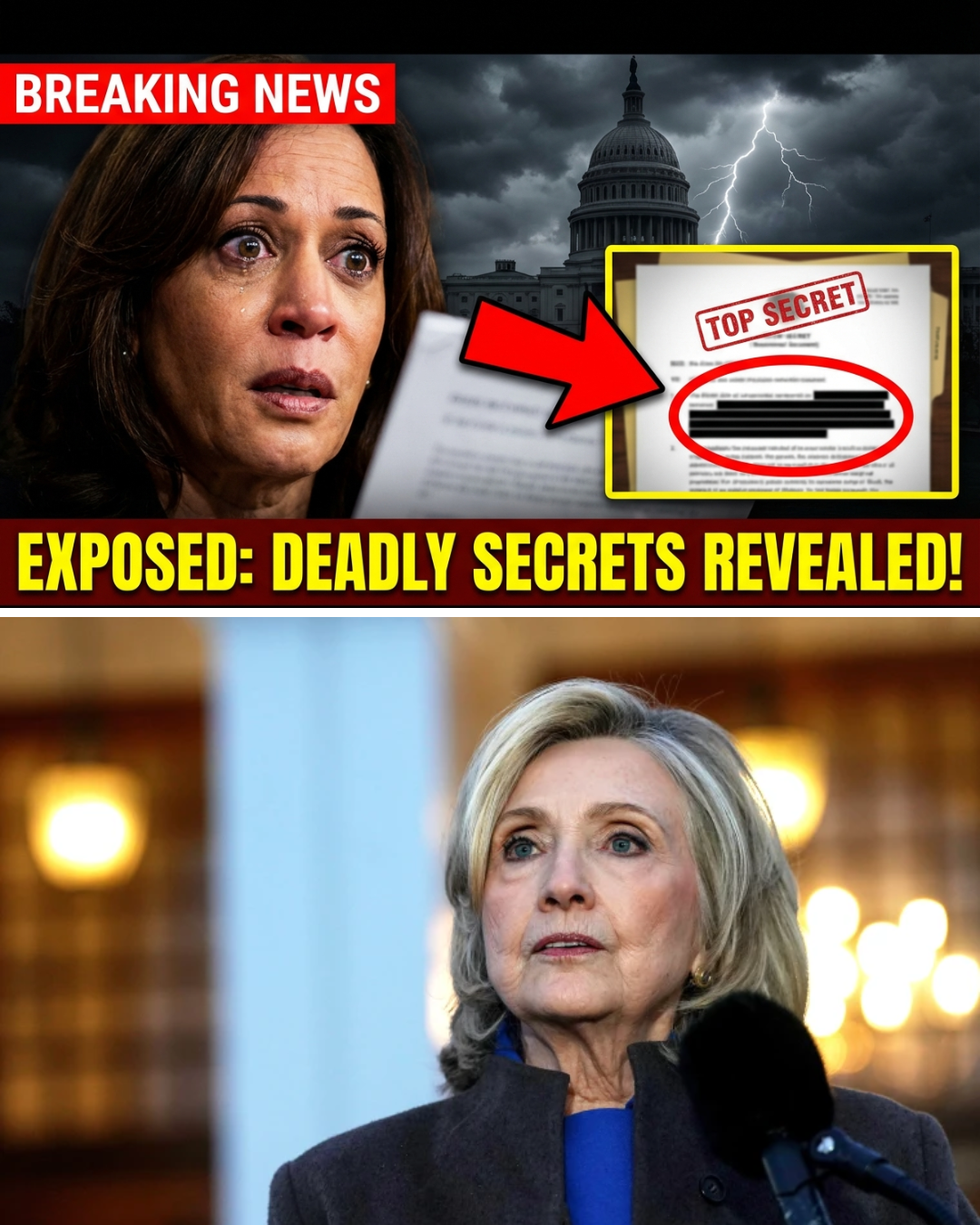
In a political drama that feels ripped from the pages of a thriller novel, Washington is once again gripped by whispers of betrayal, buried secrets, and alliances forged in the shadows. At the center of the storm stands former First Lady Hillary Clinton—a name that has long inspired both loyalty and controversy in equal measure.
What began as a routine legal proceeding has spiraled into something far more explosive. When the gavel struck at the close of a long-anticipated deposition, insiders say the atmosphere inside the room shifted palpably. Observers described a tension so thick it was “almost suffocating.” What emerged from hours of testimony, according to sources close to the matter, was a narrative stretching back three decades—one allegedly connecting political operatives, global financiers, and powerful decision-makers in ways the public was never meant to see.
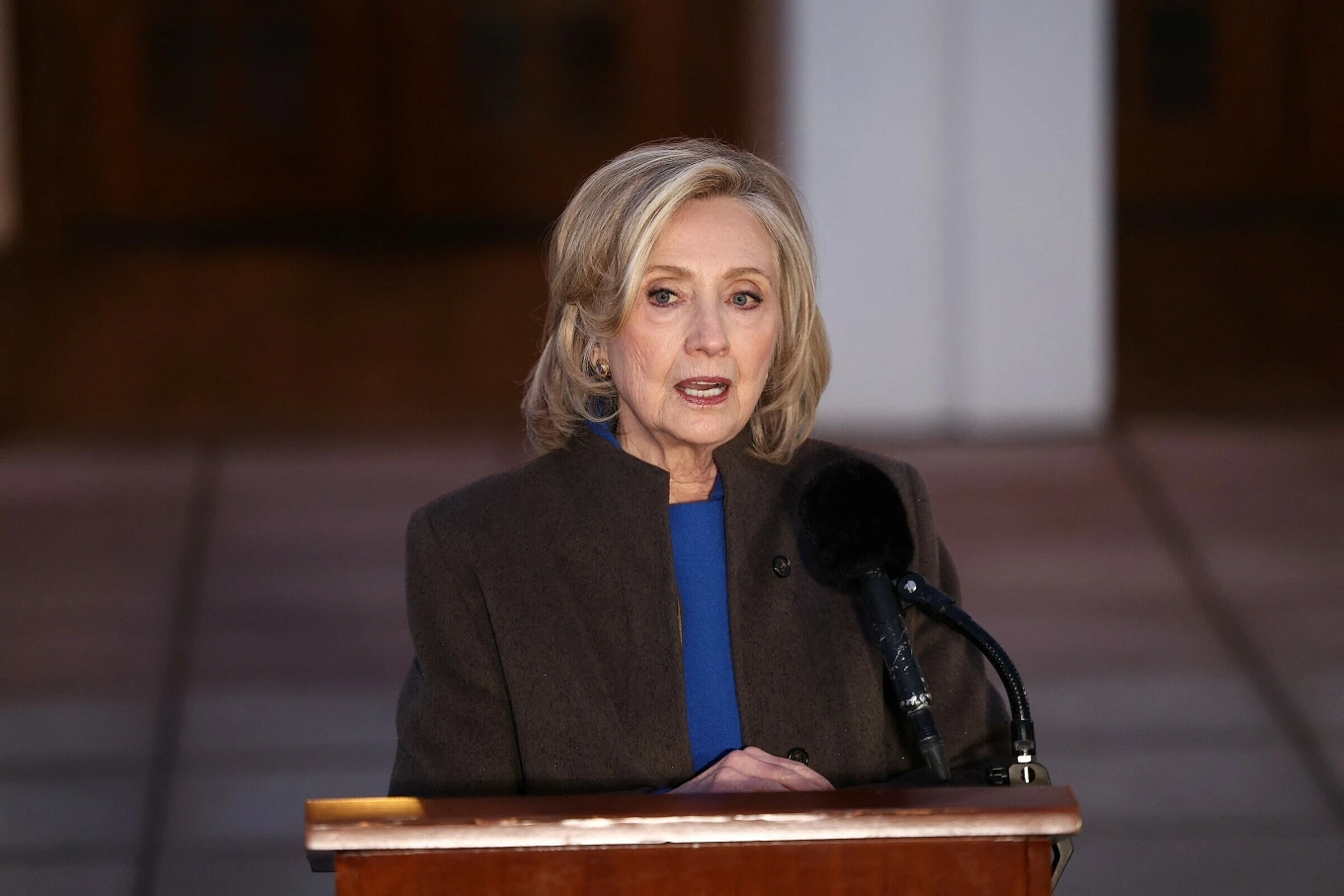
The deposition, reportedly tied to matters dating back to the 1990s, revisited controversies that many believed had long been buried. During the era of President Bill Clinton, Washington was no stranger to scandal, but few imagined that threads from that period might resurface in such dramatic fashion. Allegations of backroom deals, private assurances to foreign interests, and strategic silence on sensitive national matters are now fueling heated debate across the capital.
Critics claim the newly discussed material hints at a tightly knit inner circle—an elite network that blurred the lines between public service and private influence. Supporters dismiss the uproar as recycled political theater, but even they concede that the sheer intensity of the current backlash is unprecedented. Cable news panels have turned combative. Social media feeds are ablaze. Former allies are suddenly conspicuously quiet.
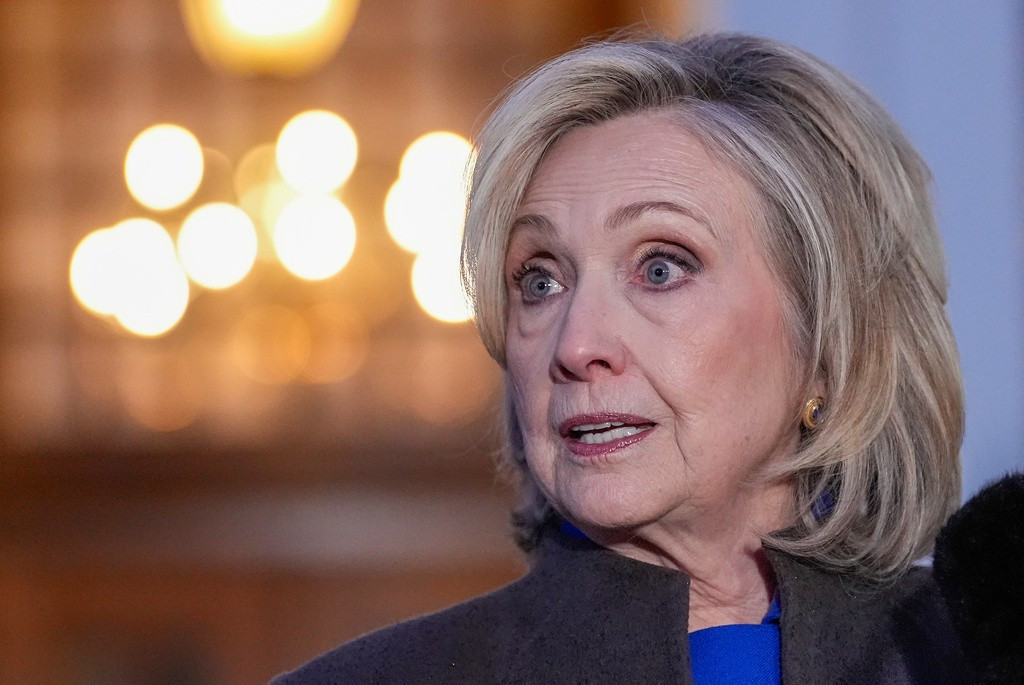
What makes this moment especially volatile is the suggestion that the testimony may contain references to prominent figures still active in politics today. Names allegedly appear that could reshape alliances ahead of the next election cycle. The possibility of legal or reputational fallout has insiders scrambling to assess the damage.
Meanwhile, the broader public watches with a mixture of fascination and fatigue. After years of political polarization, many Americans are skeptical of dramatic claims—yet they remain irresistibly drawn to the promise of “unredacted truth.” The phrase alone has become a rallying cry for those demanding transparency at the highest levels of power.
Is this a genuine reckoning decades in the making, or simply another chapter in Washington’s endless cycle of accusation and counteraccusation? The answer may depend less on the testimony itself and more on how it is interpreted, amplified, and weaponized in the days ahead.
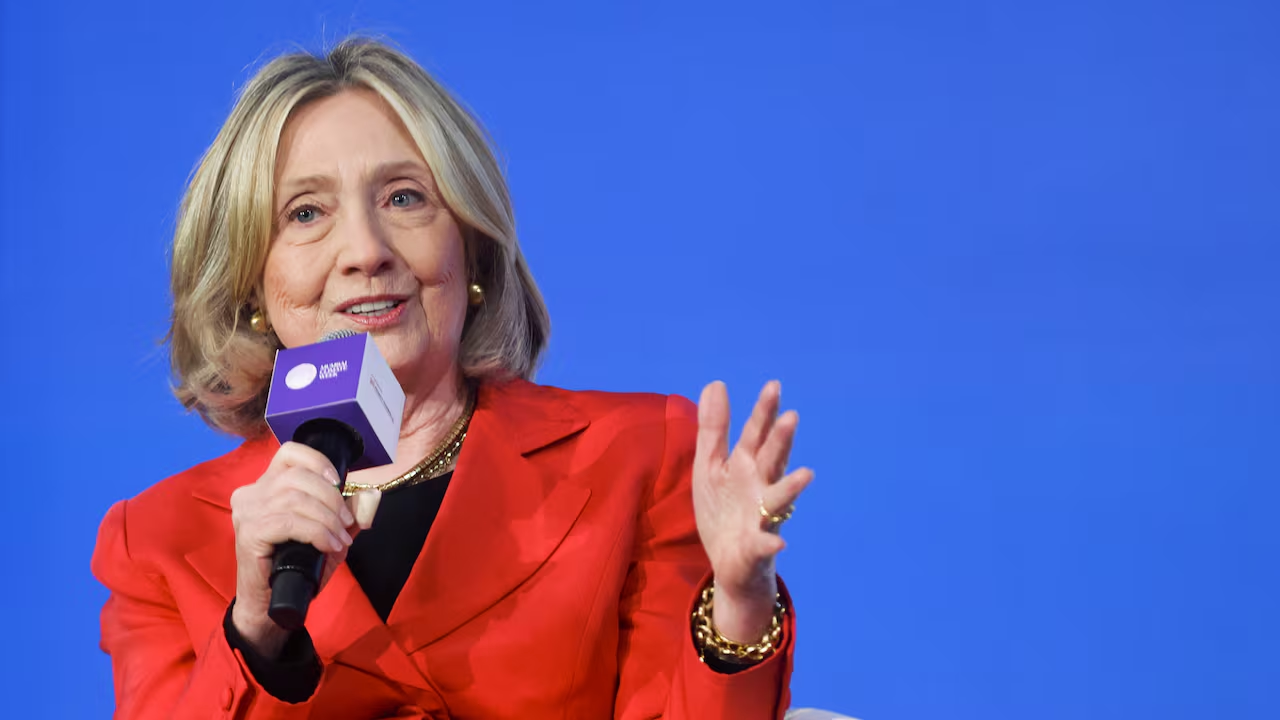
One thing is certain: in the corridors of power, perception can be as powerful as proof. And as rumors swirl and alliances shift, the political landscape trembles under the weight of possibility. Whether this episode ends in vindication, indictment, or quiet fade-out, it serves as a stark reminder that in Washington, the past is never truly past.