💥🔪 BETRAYAL AT THE PALACE: The Heart-Wrenching Backlash No One Saw Coming 🙊
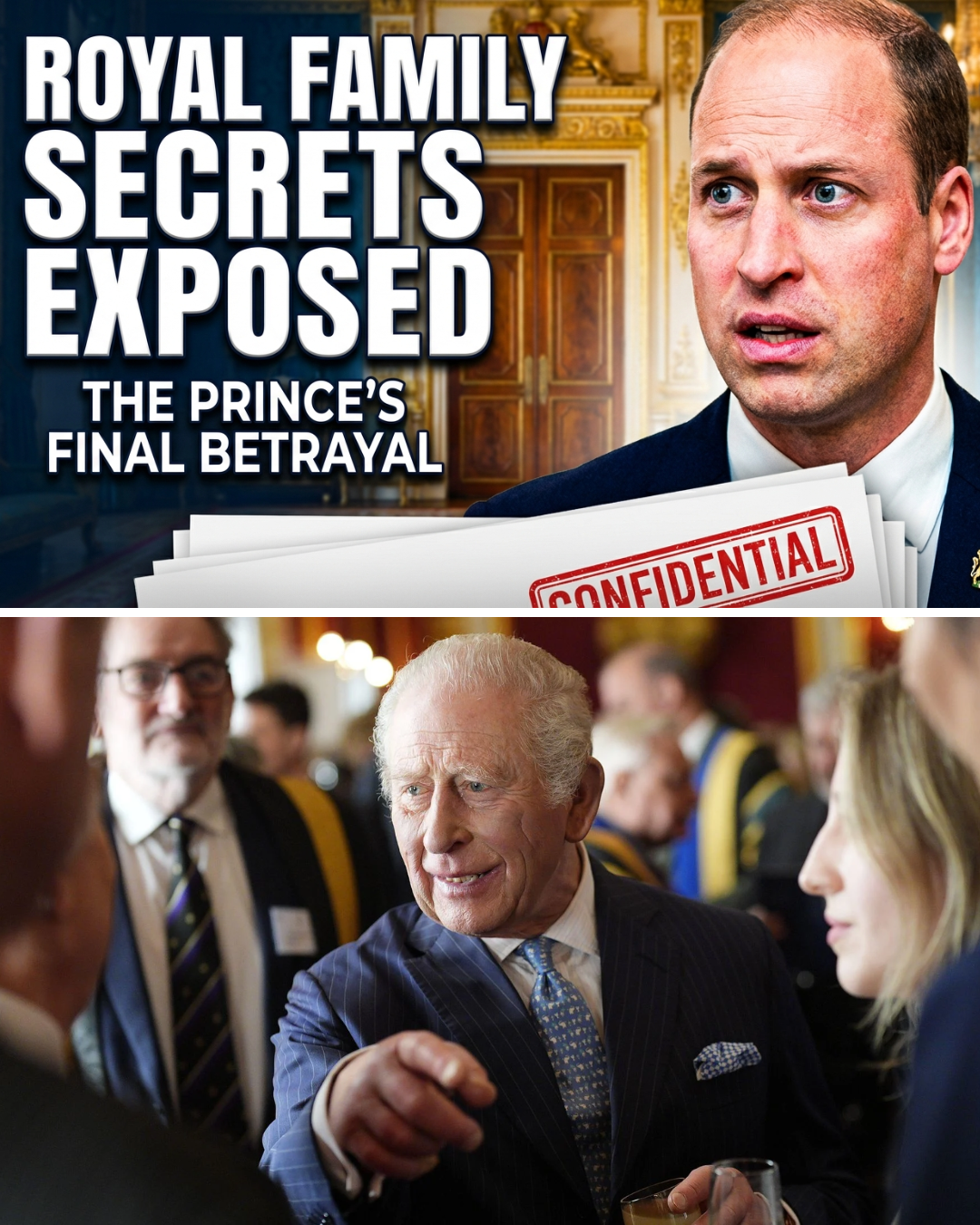
In the gilded corridors of Buckingham Palace, where tradition weighs heavier than stone and silence is often more powerful than speech, a storm has erupted that insiders are calling the most explosive royal crisis in generations. At the center stands a once-favored son of the monarchy—Prince Andrew, Duke of York—now facing a reckoning so fierce it threatens to shake the very foundations of the Crown.
For years, controversy trailed the Duke like a shadow. Allegations, interviews, and strained public appearances chipped away at the polished image of royal certainty. But few could have predicted that the deepest blow would come not from the press, nor from political opponents, but from within the House of Windsor itself.
Sources whisper of tense family summits held behind closed doors—late-night discussions where loyalty collided with survival. According to palace insiders, senior royals have grown increasingly concerned that the scandal surrounding Andrew could inflict lasting damage on the institution they have sworn to protect. And now, those concerns have allegedly crystallized into action.
At the heart of the unfolding drama is King Charles III. Newly crowned and already navigating a complex modern monarchy, the King is said to be under immense pressure to distance the Crown from his embattled brother. The decision to reportedly strip Andrew of military affiliations and patronages was only the beginning. Insiders claim even harsher measures are being quietly considered—moves that would effectively exile the disgraced prince from public royal life permanently.
Yet the crisis doesn’t end there. The line of succession itself has become a focal point of hushed debate. With Prince William, Prince of Wales preparing for a future role as monarch, palace strategists are allegedly determined to prevent any shadow from falling across the next generation. Protecting the monarchy’s long-term legitimacy, they argue, requires decisive and even ruthless clarity.
The comparison to the abdication crisis of 1936—when Edward VIII relinquished the throne for love—has begun circulating among commentators. Then, as now, the monarchy faced a choice between personal loyalty and institutional survival. History suggests the Crown always chooses survival.
Meanwhile, secret memoranda and legal briefings are rumored to be circulating among senior advisers. Though officially unconfirmed, these documents allegedly outline contingency plans to shield the monarchy from further reputational fallout. Whether they involve financial settlements, title adjustments, or more dramatic constitutional maneuvers remains the subject of intense speculation.
Public opinion has shifted dramatically. Once regarded as a minor scandal in a long royal narrative, the situation now feels existential. Can King Charles weather this internal revolt without fracturing the family beyond repair? Will Andrew retreat quietly into obscurity, or will further revelations force an even more dramatic confrontation?
The palace, as always, maintains a dignified silence. But behind those towering gates, decisions are being weighed that could redefine the monarchy for decades to come. In a world where image is power and perception shapes destiny, the Crown stands at a crossroads.
Whether this crisis ends in restoration or irreversible rupture, one truth is undeniable: even within the world’s most storied royal family, betrayal cuts deepest when it comes from one’s own blood.