A Digital Storm in Westminster: Power, Platforms, and the Politics of Control
- TranThuy
- February 27, 2026
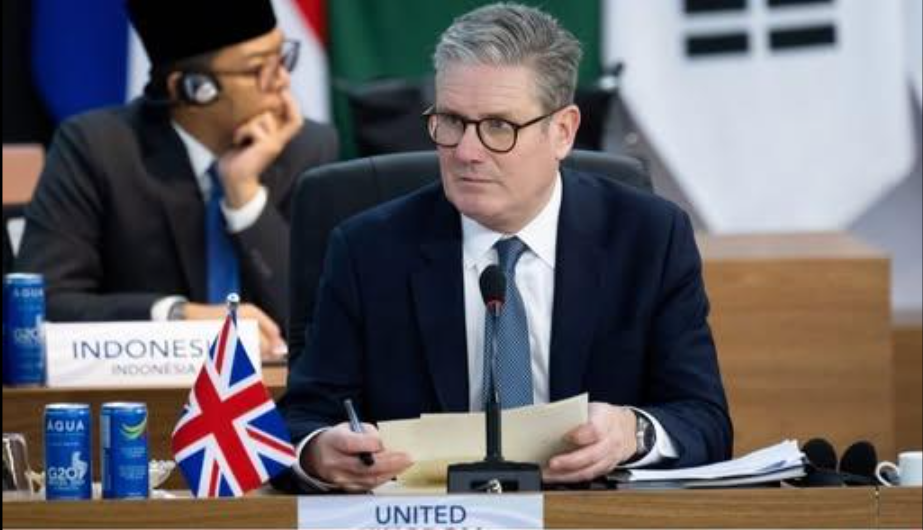
Political tensions flared dramatically when controversy erupted around Keir Starmer and media personality Katie Hopkins. According to her supporters, less than twelve hours after she read aloud past social media posts attributed to the Prime Minister on live television, officials at 10 Downing Street sought an emergency legal injunction to restrict the clip’s circulation, citing concerns described as matters of “national security.” The speed of the response only heightened the drama, transforming what might have been a fleeting media moment into a full-scale political confrontation.
Critics of the move called it heavy-handed and alarming, arguing that attempts to suppress broadcast content risk undermining public trust. Allies of the government, however, insisted the action was both lawful and necessary, especially if sensitive or misleading material had the potential to cause harm. In a political climate already charged with suspicion and polarization, the legal maneuver became a lightning rod. Questions multiplied: Was this an appropriate defense of state interests — or an overreach into the realm of free expression?
The clash intensified when Hopkins launched a defiant livestream. Speaking directly to viewers, she declared, “You can’t delete the truth once the nation has heard it!” She claimed to have relocated the disputed footage to servers outside the United Kingdom, portraying the move as both symbolic resistance and practical workaround. Within hours, social media platforms were ablaze. Hashtags surged, clips were reshared, and commentary flooded timelines at a pace that outstripped any formal response from officials.
For some observers, the controversy crystallized anxieties about censorship in the digital age. They saw the injunction attempt as evidence of a government eager to control narratives and limit scrutiny. For others, the situation underscored the responsibility that accompanies broadcasting — particularly when allegations or archived statements are presented without full context. In their view, safeguarding national security and preventing misinformation are legitimate concerns in an era when online content can spread globally in minutes.
Westminster found itself in the eye of a digital storm. Traditional mechanisms of legal control collided with the borderless architecture of the internet. Even as lawyers debated jurisdiction and compliance, the footage — or at least the conversation about it — continued to circulate. The episode revealed a paradox of modern communication: efforts to contain a narrative can sometimes amplify it, drawing far greater attention than the original broadcast might ever have achieved.
Ultimately, the controversy became about more than a single clip or a single injunction. It highlighted the fragile balance between authority and accountability, security and speech. In a hyperconnected world, political power no longer operates solely within parliamentary walls; it must also contend with livestreams, global servers, and an audience that reacts in real time. Whether seen as a defense of order or a warning sign for free expression, the episode stands as a vivid reminder that in the digital era, control is elusive — and every attempt to enforce it can spark a storm far beyond expectation.