🚨🐴🇧🇪 Brussels Ends Horse-Drawn Carriages in Landmark Animal Welfare Decision
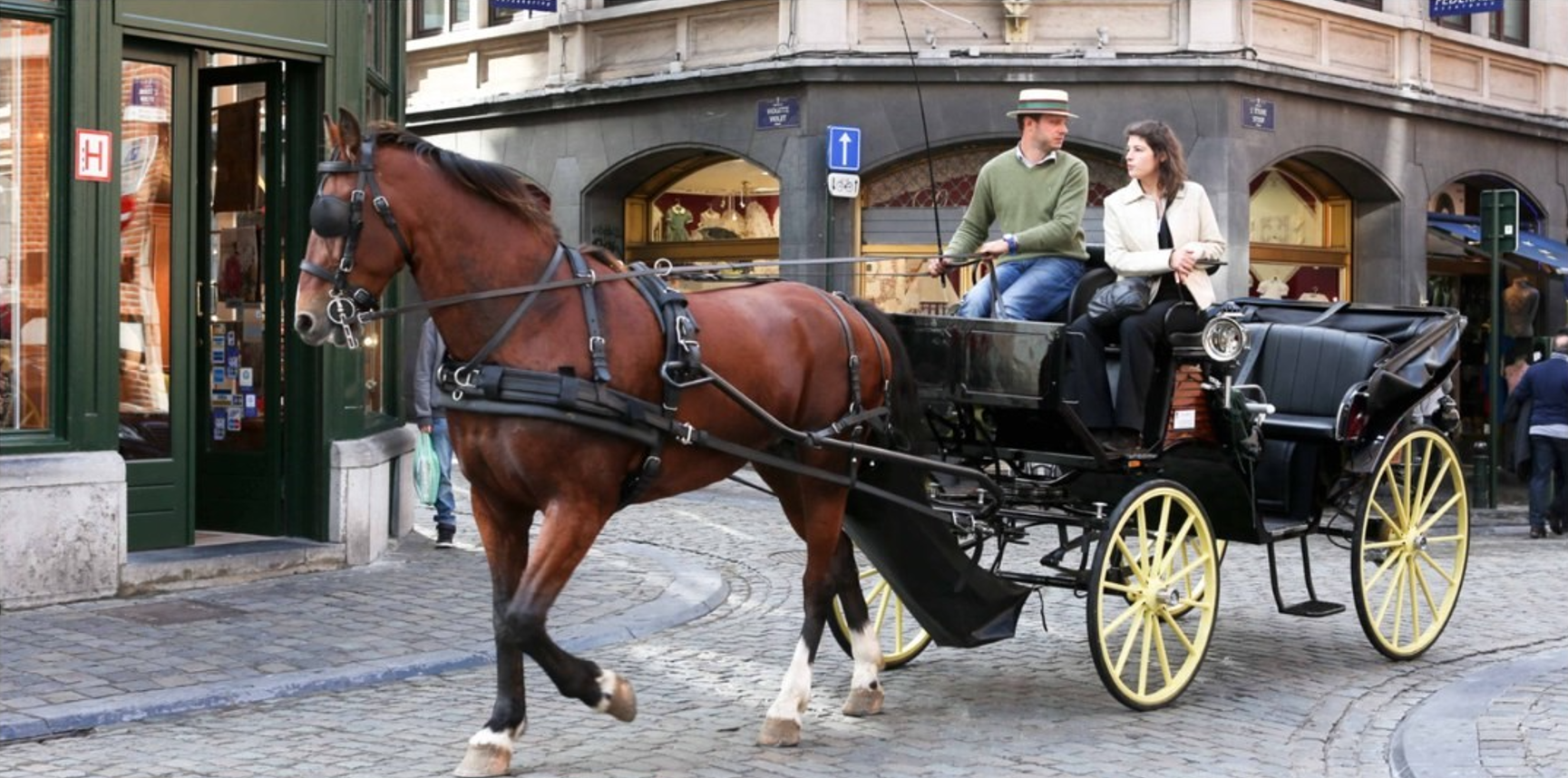
In a move blending tradition with modern ethics, Brussels has officially banned horse-drawn carriages from its streets, marking the end of a long-standing tourist attraction in the Belgian capital.
For years, these traditional carriages carried visitors through historic avenues and cobbled squares, offering postcard-perfect views of the city’s landmarks 🏰✨. But behind the charm, concerns had been growing about the well-being of the horses — exposed daily to heavy traffic, constant noise, exhaust fumes, and the physical strain of pulling carriages through busy urban roads 🚗💨.
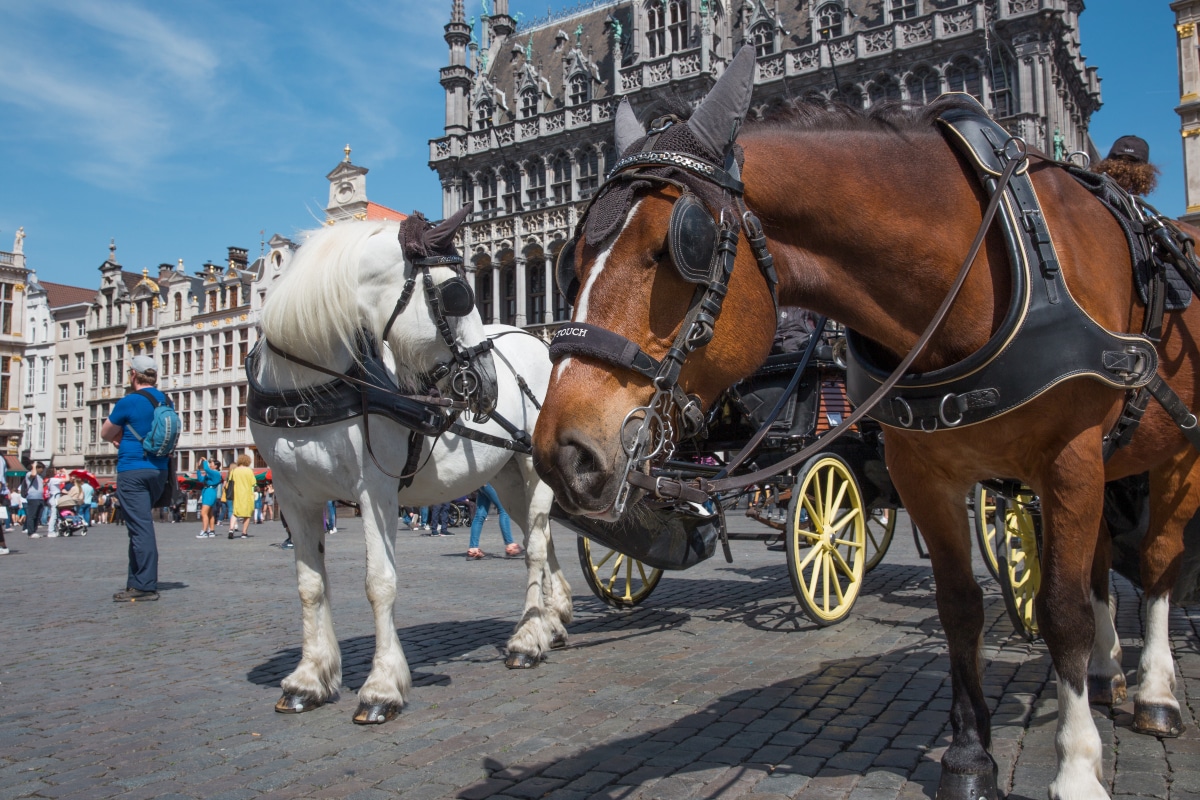
City officials say the decision reflects a broader commitment to animal welfare and ethical tourism. The traditional horse-drawn attelages will now be replaced with electric carriages, preserving the nostalgic aesthetic while eliminating the exploitation of animals ⚡🛺.
Authorities emphasize that this transition is not about erasing heritage, but about reimagining it. Brussels aims to prove that history and modern values can coexist — that tourism can evolve without sacrificing compassion.
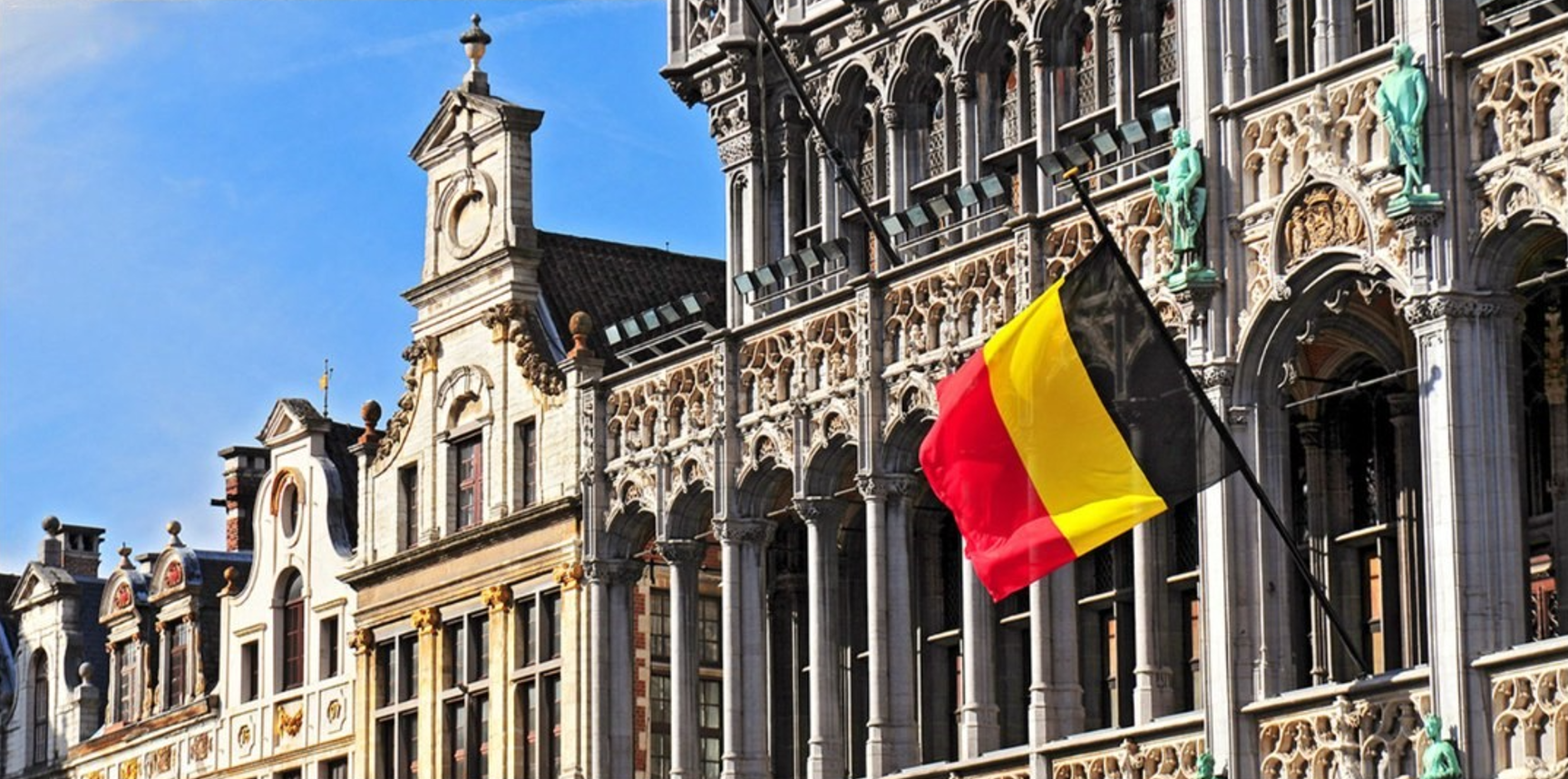
Animal rights advocates have welcomed the decision as a significant step forward 🐾👏, while some traditionalists express sadness over the disappearance of a centuries-old image. Yet the message from the capital is clear: urban tourism must adapt to contemporary ethical standards.
By choosing innovation over inertia, Brussels is positioning itself at the crossroads of heritage, sustainability, and responsibility.
A new chapter begins — quieter streets, cleaner air, and no more horses standing in traffic lights. 🕊️✨