Rumor vs. Reality: The Viral Claims About Rihanna’s ‘Warning’ About Beyoncé
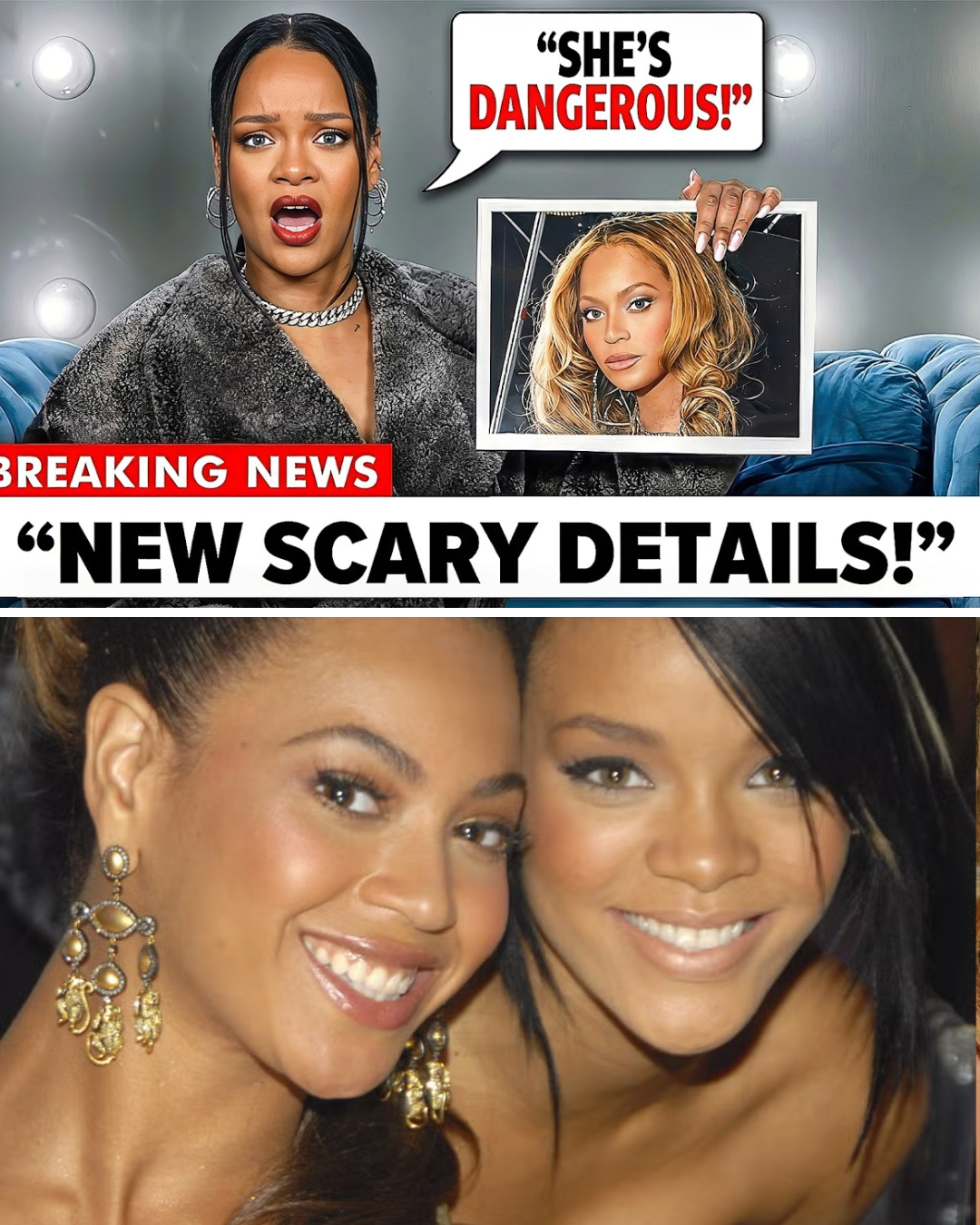
In recent days, social media platforms have been overwhelmed by a sensational claim: that global music and business icon Rihanna purportedly issued a “brutal warning” about the so-called “evil rise” of fellow superstar Beyoncé. Screenshots, reaction clips, and trending hashtags spread almost instantly, igniting debates and speculation across fan communities worldwide.
At first glance, the narrative seemed explosive, implying a brewing feud between two of the most influential female artists of the 21st century. Both Rihanna and Beyoncé are cultural forces — artists whose careers have shaped popular music, fashion, and entertainment on a global scale. Naturally, anything suggesting tension between them would attract attention.
However, despite the dramatic framing of the claim, there is no verified evidence that Rihanna ever made such a statement. No complete or authenticated transcript from Rihanna’s official channels, interviews, or public appearances supports the assertion that she characterized Beyoncé’s success as “evil” or harmful. Analysts point out that the phrase circulating online likely originated from a short clip taken out of context or exaggerated through reposts engineered to maximize engagement rather than convey accurate reporting.
It is important to understand the cultural backdrop against which this story emerged. Rihanna and Beyoncé each carry significant legacies. Beyoncé’s ascent — from a young member of Destiny’s Child to a globally celebrated solo artist — has been marked by meticulous artistic reinvention and business acumen. Meanwhile, Rihanna’s transformation from teenage singer to billionaire entrepreneur reflects a different kind of success — one rooted as much in fashion and beauty sectors as in music.
Despite the rivalry narratives often pushed by comment sections and fan posts, there is no credible documentation of direct conflict between the two women. In fact, the two have been photographed together at industry events on multiple occasions, and neither artist has issued a public rebuke or acknowledgment of the online claims. Their mutual silence in response to the rumor suggests a deliberate decision not to legitimize the narrative.
Cultural critics note that in today’s algorithm-driven media landscape, nuance is often lost. Complex discussions about artistic agency, industry pressures, or personal viewpoints can quickly be reduced to sensational one-liners designed for virality. The popularity of the “warning” meme says more about online audiences’ appetite for conflict than about the relationship between the artists themselves.
Without confirmation from direct sources — official statements, verified interviews, or publication by reputable outlets — such rumors remain unsubstantiated. In this case, the broader conversation centers on how digital platforms can distort narratives, especially when they involve influential figures whose careers span decades and whose public images are carefully managed.
Ultimately, the episode reveals less about an alleged feud and more about audience expectations in the age of instant news cycles: a hunger for dramatic storylines, even in the absence of factual grounding. Until credible, firsthand evidence emerges, the claim that Rihanna issued any specific warning about Beyoncé remains in the realm of rumor rather than documented fact.