U.S. Escalation After Cartel Gunfire Sparks Tensions Along the Border
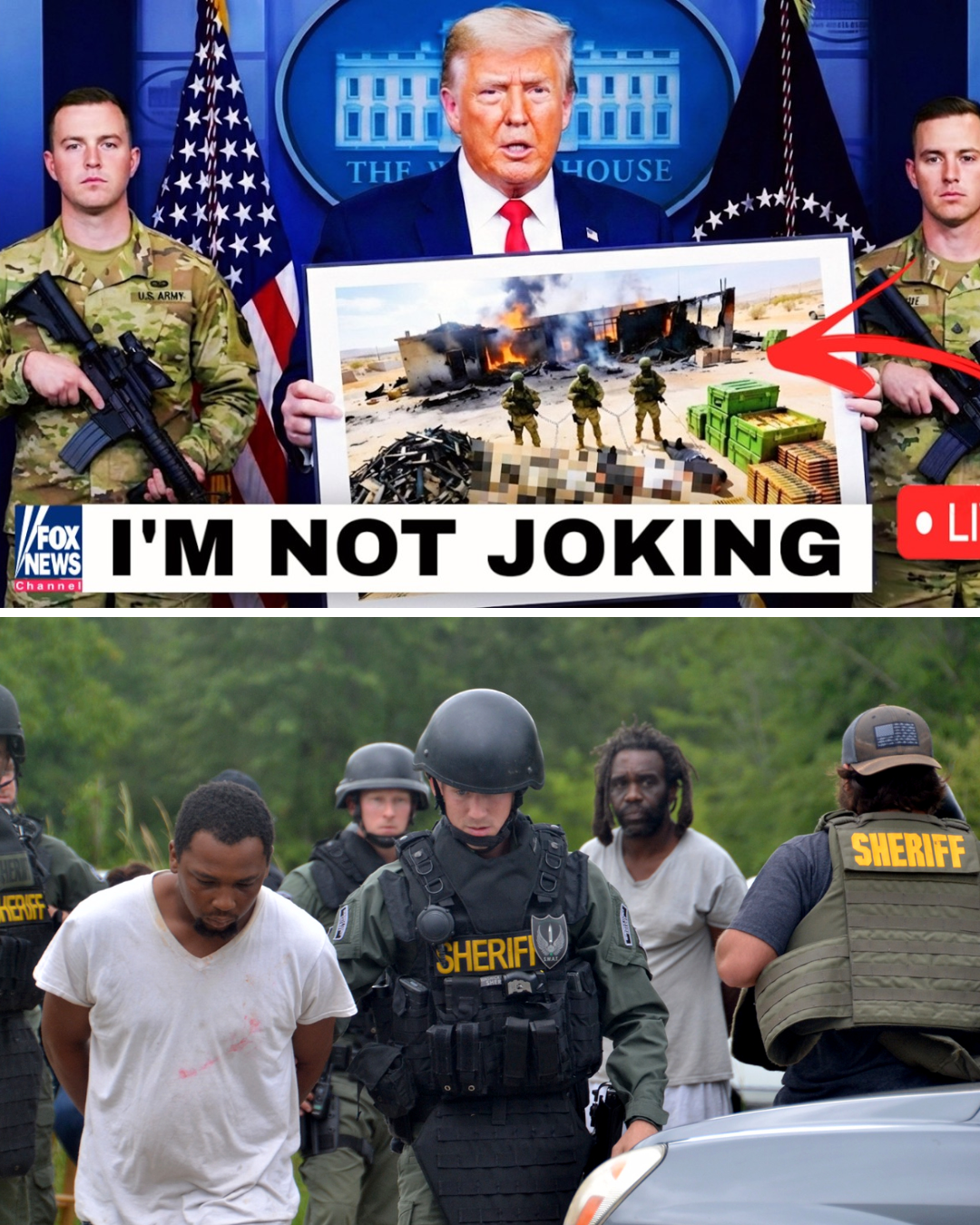
Recent developments along the U.S.–Mexico border have underscored the growing complexity of North America’s security landscape. A surge in cartel-linked violence — including the reported shooting at U.S. border agents by armed Mexican cartel operatives — prompted a forceful response from Washington that has reverberated across political, diplomatic, and security arenas. According to video coverage and analysis circulating online, the incident marked a significant escalation in cartel-related hostilities that has rattled both governments and raised serious questions about future cooperation.
The reported attack, in which cartel gunmen allegedly opened fire on U.S. Border Patrol personnel, is being portrayed as crossing a “red line” in an already tense relationship. While independent verification of the precise circumstances remains limited, the narrative reflects a broader pattern of transnational criminal organizations exhibiting boldness in confronting state authority — including U.S. forces.
In Washington, former President Donald Trump responded with unusually strong rhetoric, framing the confrontation as evidence that cartel aggression demands an equally robust U.S. policy shift. News commentary suggests Trump went beyond mere condemnation, implying that elite U.S. military assets — potentially including Navy SEAL units — were positioned closer to the Mexican border as a deterrent and warning signal. Though details are still emerging, the shift underscores a departure from traditional law enforcement and diplomatic responses to cartel violence.
For Mexico, the prospect of U.S. military involvement — even if indirect — has generated deep unease. The Mexican government has historically balanced its domestic strategy against powerful drug cartels with respect for national sovereignty. Direct U.S. military action on Mexican soil would be unprecedented and raises sensitive issues about autonomy, public sentiment, and international norms. Mexican officials and analysts warn such moves could threaten bilateral relations and fuel nationalist backlash.
The backdrop to this volatile episode includes the February 2026 killing of Nemesio “El Mencho” Oseguera Cervantes, the head of the Jalisco New Generation Cartel (CJNG), during a high-profile Mexican military operation that reportedly involved intelligence support from U.S. agencies. The raid, which eliminated one of the most powerful cartel leaders in the hemisphere, triggered a wave of retaliatory violence across Mexico, including attacks on public infrastructure, blockades, and armed confrontations in multiple states.
In response to cartel reprisals and the broader security threat, U.S. state authorities have taken precautionary steps of their own. The governor of Texas mobilized additional Department of Public Safety resources to reinforce border security and preempt any spillover of violence or cartel influence. This includes strategic deployment of state troopers, Texas Rangers, and specialized task forces aimed at deterring cross-border criminal incursions.
The convergence of these tensions — violent cartel activity, assertive U.S. reaction, and strained diplomatic ties — highlights the limitations of existing approaches to combatting transnational organized crime. Law enforcement officials stress that while leadership decapitation and militarized pressure can disrupt cartel operations, they alone cannot resolve the deeper societal, economic, and governance vulnerabilities that narcotics trafficking exploits.
As both countries weigh their next moves, the situation underscores a critical question: how to balance sovereignty with cooperation in a context where criminal organizations increasingly operate across borders and challenge traditional security paradigms. For now, the reverberations of cartel gunfire and Washington’s response continue to shape debates in capitals from Mexico City to Washington, illustrating the deep-seated complexities of frontier security in the 21st century.