🚨 The Silent Pipeline: How a Hidden Chemical Network Fueled a Deadly Crisis 🚨
- TranThuy
- February 28, 2026
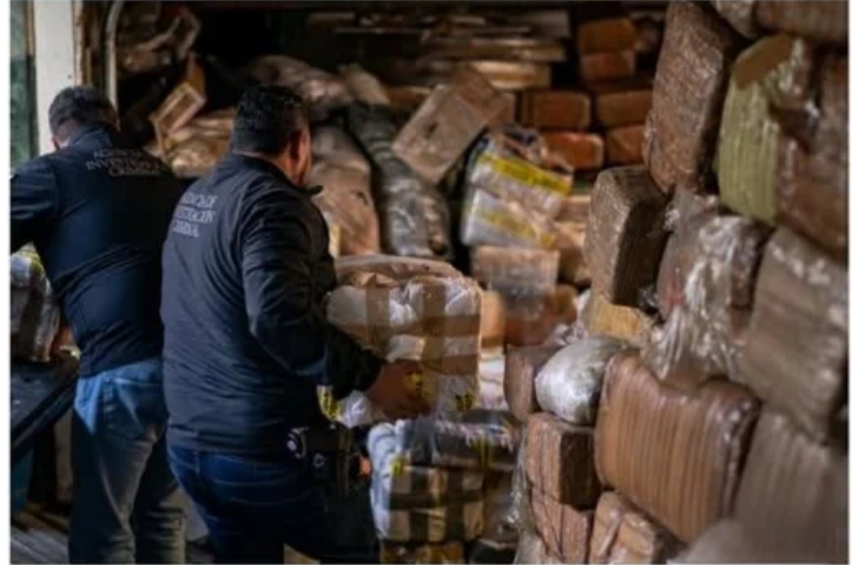
For four long years, investigators say a concealed stream of fentanyl precursor chemicals moved quietly from China to Mexico, slipping across oceans and borders with alarming precision. What appeared to be ordinary shipments of industrial materials were allegedly part of a far more dangerous operation. Containers crossed the Pacific, paperwork appeared legitimate, and inspections raised few suspicions. Beneath the surface of global trade, however, a hidden supply line was steadily taking shape — one that would later be linked to devastating consequences.
Authorities claim that dozens of chemical companies were involved in manufacturing the substances, while corrupt port workers, customs officers, and logistics insiders allegedly ensured that shipments moved undetected. This was not random smuggling driven by desperation. Investigators describe it as calculated and methodical — a system designed to stay invisible. Layers of intermediaries, falsified documentation, and coded transactions created distance between producers and the final outcome. Each participant handled only a fragment of the chain, making the entire structure difficult to trace.
In a dramatic shift, coordinated raids were launched across multiple locations. Within just six days, officials reported seizing more than 2,340 tons of precursor chemicals. Thirty-eight individuals were arrested. Warehouses were cleared, computers confiscated, and financial records taken for analysis. The scale of the operation stunned even seasoned investigators. Yet many caution that such seizures may represent only a fraction of the overall network, suggesting that additional channels could still exist beyond the reach of current enforcement efforts.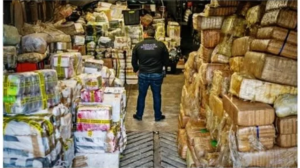
Behind these numbers lies a far heavier truth. The precursor chemicals are believed to have played a significant role in the fentanyl crisis devastating communities across the United States. Fentanyl, a synthetic opioid far more potent than heroin, has contributed to a public health emergency that has claimed thousands of lives. Families have been shattered, neighborhoods destabilized, and countless futures erased. The human toll cannot be measured solely in statistics; it is felt in empty chairs at dinner tables and in stories that end far too soon.
How did such a vast and complex network operate in silence for so long? Investigators continue to examine whether powerful figures coordinated operations from behind layers of secrecy. The structure suggests organization, funding, and strategic planning. Experts warn that dismantling one pipeline does not automatically eliminate demand or the incentive to rebuild elsewhere. As long as profit margins remain high and enforcement gaps persist, similar routes may attempt to emerge in new forms.
Even as arrests are made and chemicals seized, the full story may run deeper than anyone first imagined. The case serves as a sobering reminder of how fragile global safeguards can be when confronted by coordinated corruption and secrecy. It also highlights the urgent need for international cooperation, transparency, and vigilance. Shining light into the darkest corners of illicit trade is not a one-time effort but an ongoing responsibility — because the cost of silence is measured not just in tons seized, but in lives lost.