🎬💔 “We Lived It for Real”: When Silence Gave Way to Reflection 💔🎬

More than twenty years after The Passion of the Christ stunned global audiences with its raw intensity, renewed conversations about the film have brought its emotional legacy back into focus. Directed by Mel Gibson and starring Jim Caviezel, the film became one of the most discussed and debated religious dramas of the 21st century. Recently, reflections attributed to both men suggest that the experience of making the film left a deeper mark on them than many viewers ever imagined.
On screen, the film was unflinching. Its portrayal of suffering was graphic, immersive, and emotionally overwhelming. Audiences around the world reacted strongly — some with reverence, others with discomfort or criticism. Yet while public debate focused on theology, artistic choices, and controversy, what unfolded behind the scenes reportedly carried its own quiet intensity. Long hours, physically demanding scenes, and the psychological strain of reenacting profound suffering created an atmosphere that was far heavier than typical filmmaking.
Jim Caviezel has spoken in past interviews about how portraying Jesus felt like more than simply performing a role. He described moments when the emotional and physical demands seemed to transcend acting — when exhaustion, pain, and spiritual reflection blended together. The experience, he suggested, affected him not only professionally but personally, shaping how he understood sacrifice, endurance, and faith. For him, the character was not just a script to memorize but a presence to inhabit fully.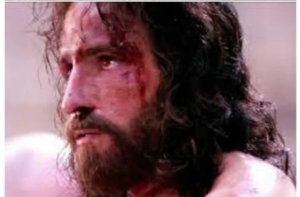
Mel Gibson, too, has acknowledged the enormous pressures surrounding the production. Beyond the artistic challenges, the project faced public scrutiny, financial risk, and intense global controversy. Directing such a deeply sensitive story required conviction and resilience. According to accounts shared over time, the emotional weight of the film extended beyond headlines or box office success. It involved private doubts, difficult decisions, and the burden of telling a story sacred to millions.
Why revisit these emotions now, decades later? Perhaps time allows reflection without the noise of immediate reaction. When the spotlight fades and public debate quiets, space opens for more personal truths to surface. Speaking about painful or transformative experiences often requires distance — a chance to process what once felt overwhelming. What may have seemed too vulnerable to express years ago can gradually become part of a story worth sharing.
As fragments of their reflections circulate, one impression remains clear: the making of The Passion of the Christ may have been as emotionally profound as the story it portrayed. For audiences, it was a powerful cinematic event. For those who created it, it appears to have been something more intimate — an experience that blurred the line between performance and reality. And perhaps that is why, even decades later, the silence surrounding it carries such weight. 🕊️✨