🇺🇸 A Resurfaced Voice: Morgan Freeman and America’s Ongoing Conversation
- TranThuy
- February 28, 2026
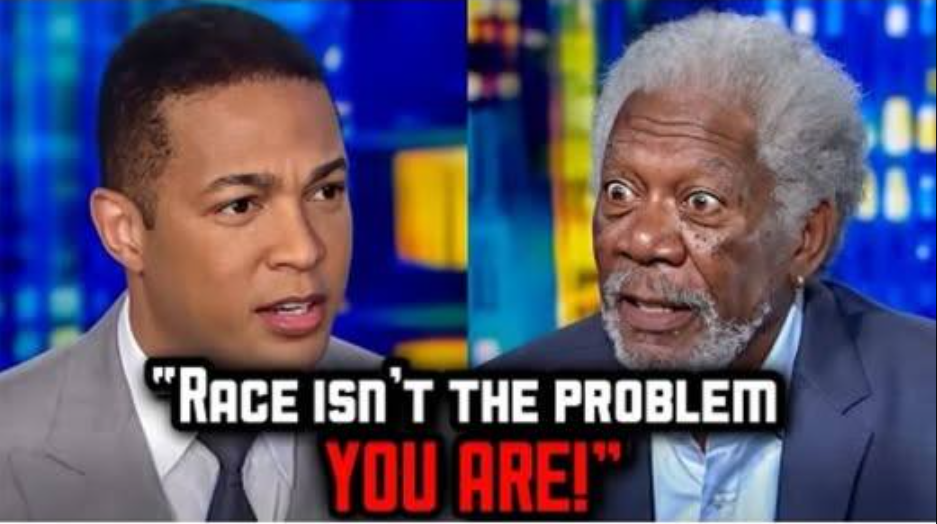
In America’s long and deeply emotional conversation about race and responsibility, an old interview clip featuring Morgan Freeman recently resurfaced and once again captured national attention. Though recorded years ago, his words felt strikingly current. Speaking with calm authority and unmistakable clarity, Freeman pushed back against narratives that center solely on racism as the defining force in society. Instead, he urged Americans to focus on individual character, personal responsibility, and shared humanity.
In the clip, Freeman emphasized the importance of moving beyond labels. He suggested that constant focus on racial divisions can unintentionally reinforce them. Rather than defining one another primarily by race, he argued, Americans should see each other first as individuals — as citizens and as human beings. His tone was not confrontational, but measured and reflective, which may explain why the clip continues to resonate years after it was first recorded.
The resurfacing of his remarks reignited debate, especially when contrasted with perspectives often voiced by media figures such as Don Lemon. Lemon and others have frequently highlighted systemic racism and structural inequality as central issues that require sustained attention and reform. The contrast between these viewpoints sparked lively discussion across social media platforms, news panels, and family dinner tables. Supporters on both sides shared clips, commentary, and personal reflections, illustrating how enduring and complex the conversation remains.
For many observers, the renewed attention was not simply about disagreement over policy or philosophy. It was about tone and approach. Freeman’s steady, composed delivery felt to some like a quiet challenge — an invitation to step back from outrage and consider whether unity might begin with personal perspective. Others, however, cautioned that focusing heavily on individual responsibility can risk overlooking broader historical and institutional factors that shape opportunity and inequality.
The moment underscores a broader truth about public discourse in the digital age: ideas never truly disappear. A single clip, once rediscovered, can reenter the national conversation and influence new generations. In a country as diverse and dynamic as the United States, discussions about race are rarely settled. They evolve, shaped by current events, cultural shifts, and the voices that rise to prominence.
Ultimately, the resurfaced clip serves as a reminder that dialogue about race in America is both deeply personal and profoundly collective. Whether one agrees more with Freeman’s emphasis on shared humanity or with those who stress systemic reform, the exchange highlights the need for thoughtful engagement. In a polarized era, his calm words challenge citizens to think carefully, listen respectfully, and hold onto the possibility that honest conversation — even when difficult — can still move a nation forward. ❤️🌎