🌪️🕊️ A Storm at Deera Square: Fear, Faith, and Survival 🕊️🌪️
- TranThuy
- February 28, 2026
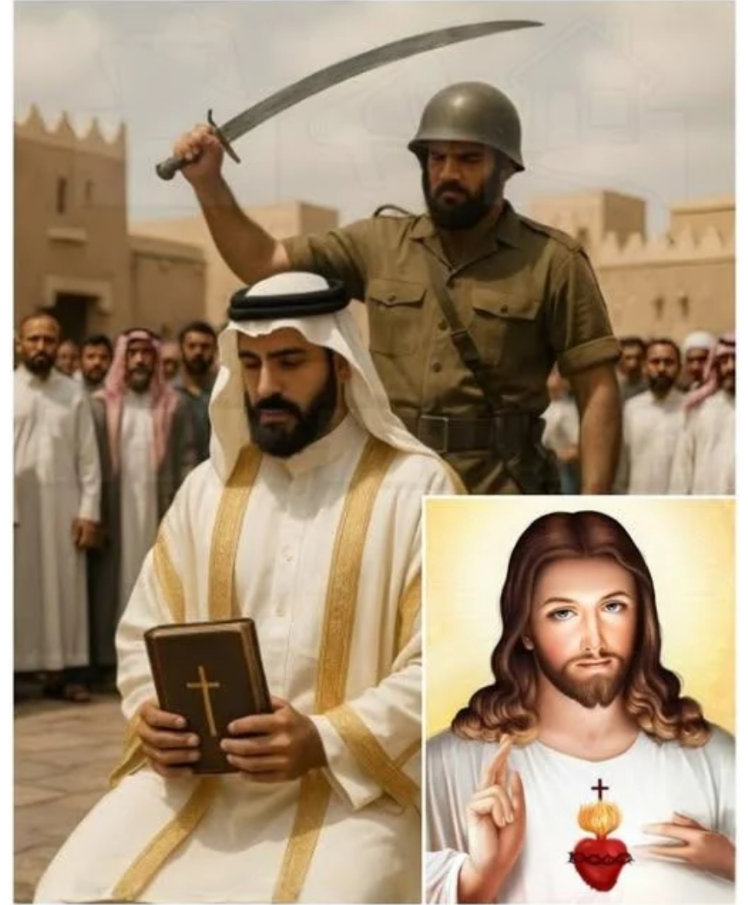
In the heart of Riyadh lies Deera Square, a historic public space long associated with official announcements and, in earlier decades, public punishments. It is here, according to a dramatic personal testimony circulating online, that a man identifying himself as Prince Khaled claims he once stood facing execution. His story begins with stark simplicity: at 33 years old, he says he was accused of leaving Islam after reading the Bible. On that morning, he recalls, the sun was high, the square was silent, and a sword was raised. ⚔️
The account describes a tense and solemn atmosphere. Khaled says he was brought before a gathered crowd, fully aware of what the sentence meant. He recounts feeling the weight of finality — the awareness that his life might end within moments. The stillness, he says, felt overwhelming. In his telling, time seemed suspended, as if the entire square held its breath. Then, just as the execution was about to proceed, something unexpected happened.
According to his testimony, a sudden sandstorm swept across the city without warning. 🌪️ Winds intensified rapidly, lifting dust into the air and reducing visibility to almost nothing. What had been a clear morning transformed into chaos. He describes shouting, confusion, and officials struggling to maintain order as the storm grew fiercer. In the midst of that turmoil, he says, the execution was halted. Whether due to safety concerns, disrupted procedures, or simple impossibility under such conditions, the moment passed — and with it, the immediate threat to his life.
Interpretations of this event vary widely. Some view the story as an account of divine intervention, a sign that fate — or faith — intervened at the last second. Others may see it as a dramatic coincidence shaped by natural forces common to desert climates. Sandstorms are not unusual in central Saudi Arabia, where weather can shift suddenly and dramatically. The raw power of nature alone can halt even the most structured human plans.
For Khaled, however, the meaning is personal and unmistakable. “I should have died that day,” he says in recounting his experience, “but I didn’t.” He interprets the interruption as a turning point — a moment that reshaped his understanding of fear, survival, and purpose. In his reflection, the storm was not just a meteorological event, but a symbol of unexpected mercy in a moment of despair.
As with many powerful testimonies, the story invites both reflection and careful consideration. It speaks to themes of belief, identity, and the fragile line between life and death. Whether viewed through the lens of faith, coincidence, or natural explanation, the narrative resonates because it captures something deeply human: the hope that can arise in the darkest moments. In a place marked by history and authority, one man remembers a day when the wind changed everything — and when survival arrived as suddenly as a storm. ✨